
It’s so wonderful to find that mother church is really mother earth, that cathedrals are enshrined in every forest, that fire and wind are holy spirits and mystics are women like you and me.
Pat Noonan
Blog
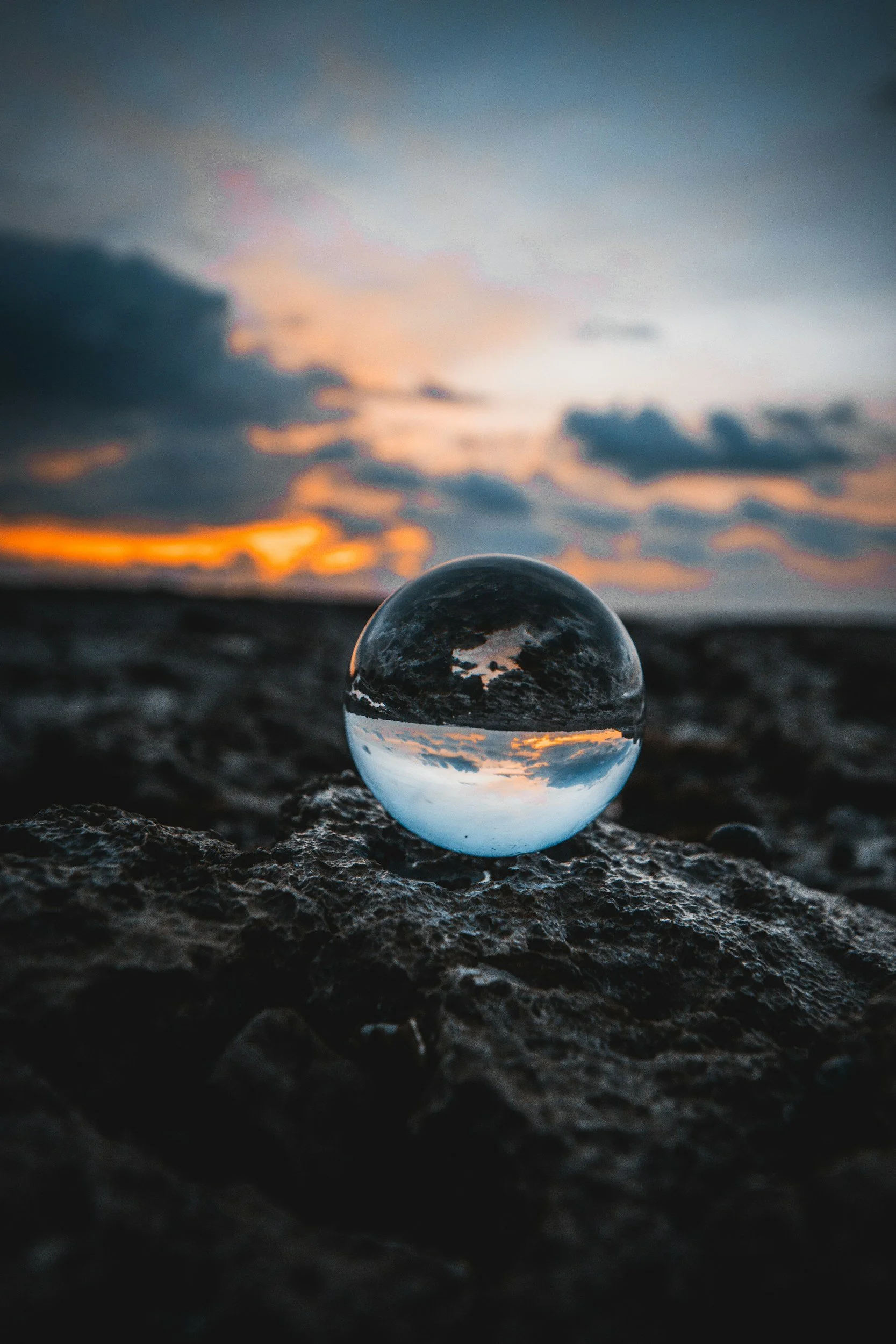
World Oceans Day is observed every year on June 8 to raise awareness about the importance of the ocean and the need to protect it. First proposed at the 1992 Earth Summit in Rio de Janeiro by Canada’s International Centre for Ocean Development and the Ocean Institute of Canada, the day was officially recognized by the United Nations in 2008. It encourages people everywhere to support ocean health, sustainable resource use, and global efforts tied to the Sustainable Development Goals.

The 2026 theme is “Reimagine”, inviting us to rethink our relationship with the ocean. For too long, many of us have treated the ocean as something distant and separate from daily life, when in fact it shapes the air we breathe, the food we eat, and the climate that sustains us. The ocean covers more than 70% of Earth’s surface, produces at least half of the world’s oxygen, absorbs a significant share of carbon dioxide, feeds billions of people, and supports livelihoods around the globe. Reimagining our connection to the ocean means moving from appreciation to responsibility.
My mother was from Ireland and lived in three countries during her life. She was always drawn to holidays where she could stand at the water’s edge and put her feet in the ocean. She said it made her feel connected to her family in Ireland and Great Britain. That memory reminds me that the ocean is not only a natural resource; for many people, it is also a source of belonging, memory, and identity.
What kind of connection do you have to the ocean, and is it strong enough to inspire action in return for all that it gives us? Even if it is too late to plan a major event this year, it is never too late to learn more and make meaningful choices. You might support organizations that remove plastic from the water, protect marine life from abandoned fishing gear, or restore fragile habitats. You could host a sustainable seafood dinner, attend an educational event at a nature centre, reduce single-use plastics, or simply start conversations about why ocean protection matters. Every action, however small, helps bring us closer to a healthier future for our blue planet.
-Maureen Condon, csj Associate
Images: Andrzej Kryszpiniuk/ Shifaaz shamoon | Unsplash
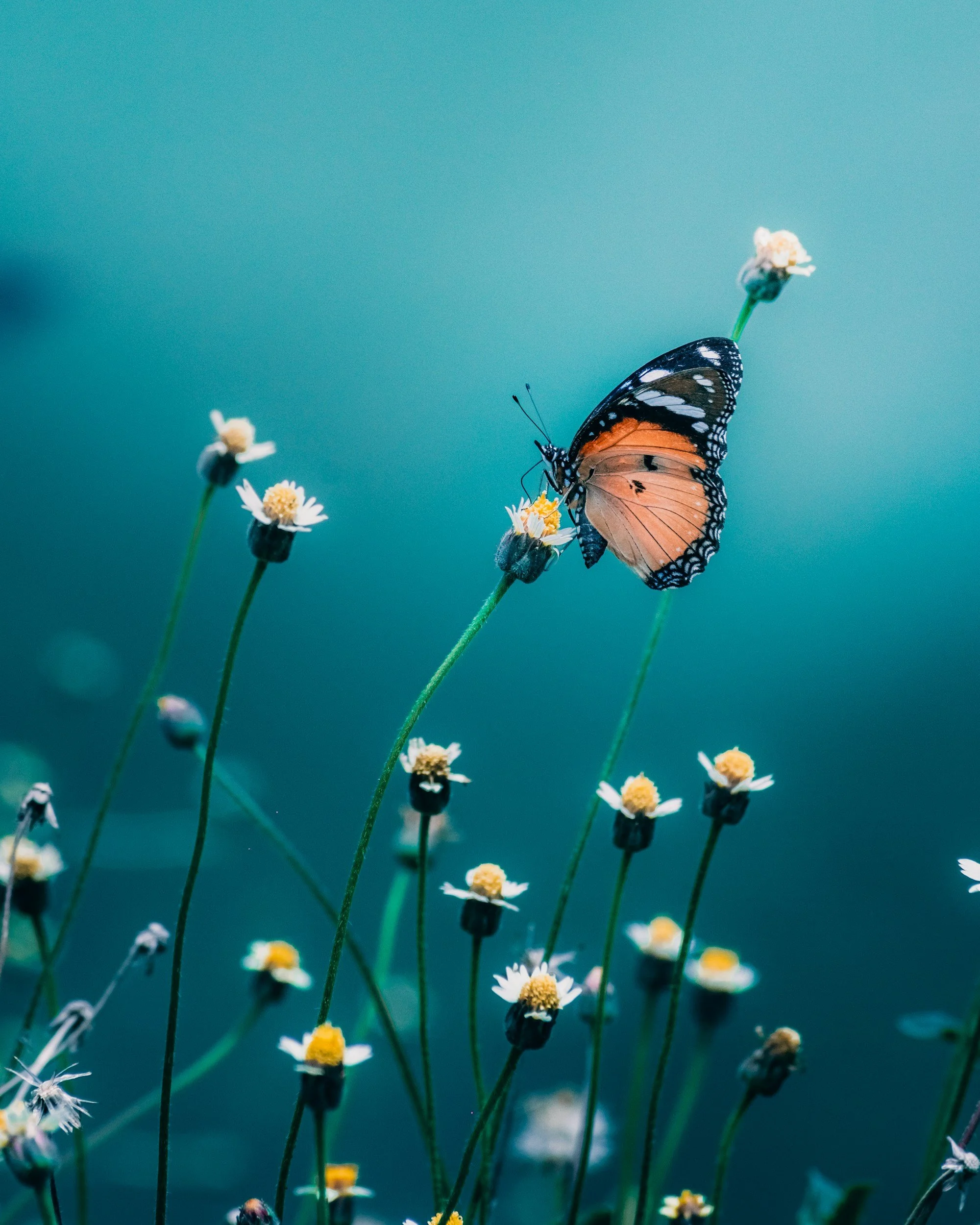
Image: Sagar Kulkarni @sagarkulkarni/ Unsplash
Have you ever felt the whisper of butterfly wings nearby? It is a soft mystery that evokes wonder and delight. It is poetry written on a wingspan. The butterfly is known as a powerful symbol in myth and religion.
In early Christianity butterflies were a symbol of the soul – of spiritual transformation, conversion and life in Christ. In China, butterflies represent longevity and marital bliss. Indigenous wisdom relates how Hopi women of the butterfly clan wore their hair in a butterfly shape. Elders have said that when a butterfly appears in your life it may be calling you to change or transformation. Others have experienced the appearance of a butterfly as a message from a loved one who has passed. A momentary kiss of remembrance.
Yet these creatures remain a marvel of engineering and are unique in the universe. Did you know that butterflies are solar powered? When you see them resting with wings outstretched, they are “powering up” in the sunshine. As butterflies are cold-blooded creatures, they need to soak up the sun to warm their flight muscles so they can fly. But they are also unique in their ability to taste with their feet. Nature equipped them with chemoreceptors in their tarsi(feet). They can taste flowers by” walking on them.” This sense of taste allows them to determine if a plant is safe for eating or to find a suitable place to lay their eggs.
“... poetry written on a wingspan.”
Butterflies see multimedia in a way we humans cannot. They have two eyes, as we do, but they are compound eyes with many lenses enabling them to see in many different directions at once. They have up to 17,000 mini eyes with lenses to empower their vision. We thought our colour perception was notable with our 3 cones (colour receptors) but butterflies have up to nine cones for colour, including ultraviolet. They call us to expand our vision and evolve into a new creation. Our eyes have only just opened.
There are of myriad kinds and colours of butterflies, and they fulfill important roles in nature’s ecosystem. They are key pollinators for many plant species and moths particularly are unique in this role. We need butterflies for our sustenance and to remind us to pause for beauty. How have we silenced this wonder? How can we protect them?
These are critical issues which imperil their survival:
Habitat Loss: Deforestation, urbanization, and land clearing destroy the native plants butterflies need to lay their eggs and feed. Nurture pockets of creation in your backyard or balcony.
Pesticides: Chemicals used in agriculture and gardening kill butterflies directly and eliminate the essential host plants they rely on. Use organic garden methods & sign petitions against pesticides.
Climate Change: Shifting weather patterns and rising temperatures can disrupt the timing of plant blooming and migration patterns, throwing their life cycle out of sync with nature’s harmony. Let us make small but critical personal lifestyle choices.
Yet at the heart of these marvelous and magical creatures there remains mystery and wonder. And an invitation into a sacred communion with all beings.
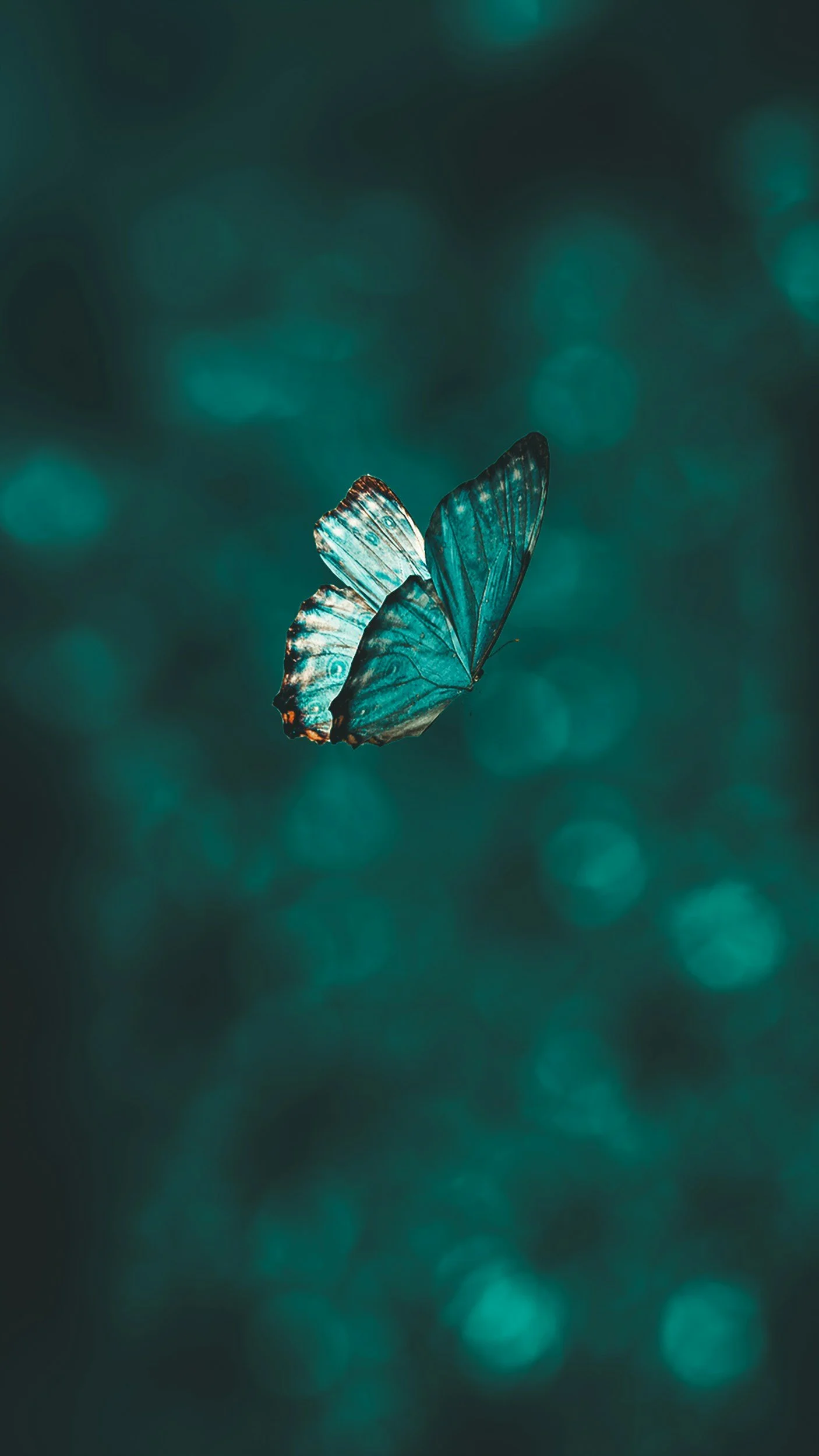
Butterflies universally symbolize transformation, rebirth, and spiritual evolution. Theirs is a remarkable journey—from an earthbound caterpillar to a chrysalis, and finally evolving into an exquisite, winged creature. Yet these fragile butterflies have the stamina to follow migration routes thousands of miles long. This reality can serve as a metaphor and the butterfly a personal guide for growth, overcoming hardship, and breaking old habits.
If today you feel the whisper of butterfly wings nearby, perhaps the Spirit has come to rest in your soul.
-Sister Linda Gregg, csj
Image: AARN GIRI/Unsplash
Environmental Justice in Canada’s Chemical Valley
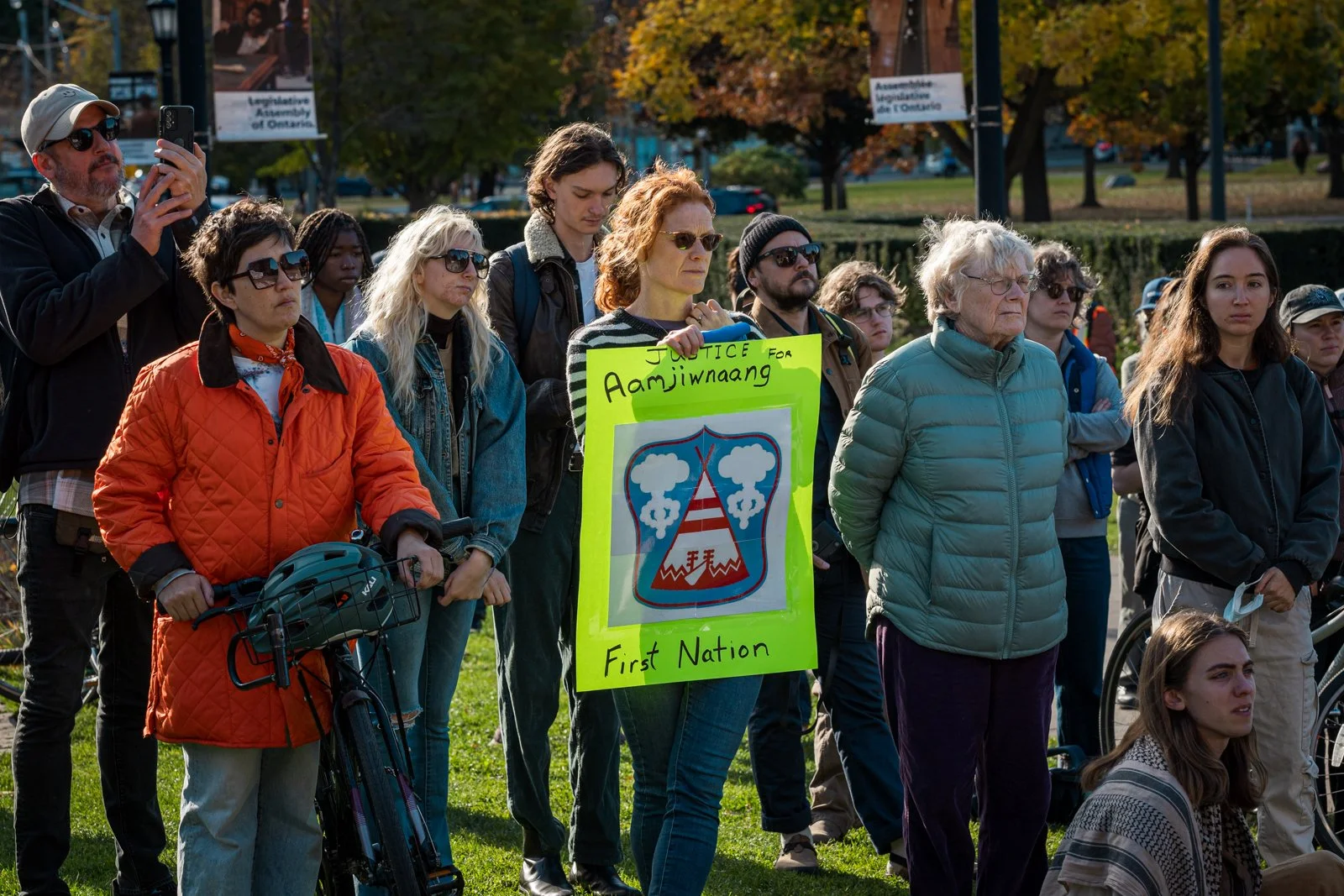
photo: Joshua Best
For decades, families in the community of Aamjiwnaang First Nation near Sarnia, Ontario, have lived beside one of the most concentrated industrial zones in the country: Chemical Valley.
More than 60 petrochemical and refining facilities operate in the region, representing roughly 40 percent of Canada’s chemical industry. For neighbouring communities, the economic footprint of this industry comes with serious concerns about air pollution, toxic exposures, and the impact on their health and the environment. Chemical Valley releases tens of thousands of tonnes of pollutants each year that are linked to respiratory illness, cancer risk, and other long-term health impacts.
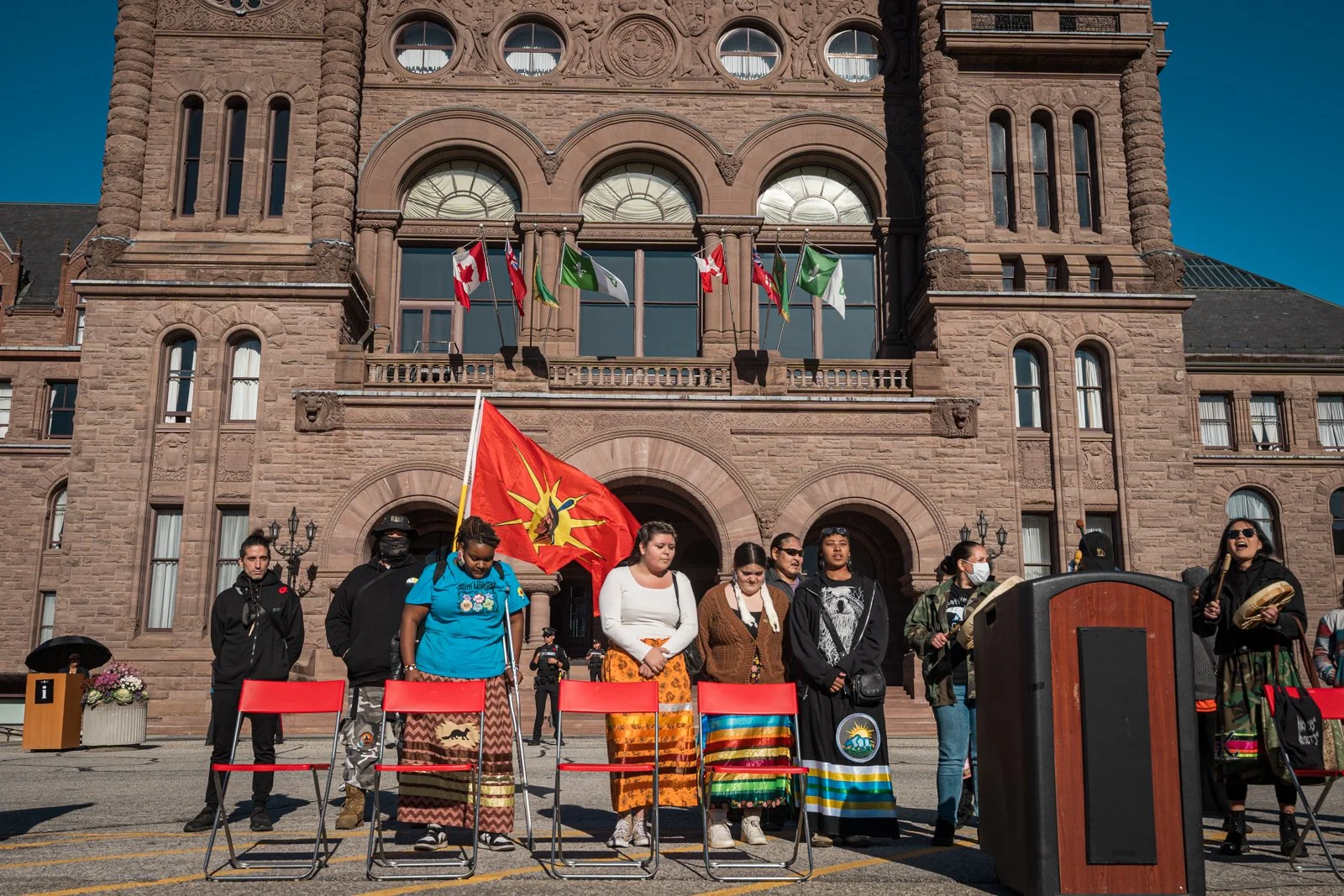
photo: Joshua Best
For years, residents of Aamjiwnaang have raised alarms about the cumulative effects of industrial emissions surrounding their territory. Ecojustice has worked alongside them for over a decade to bring these concerns into the public eye and push for stronger environmental protections.
This work has taken many forms. Ecojustice has supported research on pollution levels in Chemical Valley, helped amplify the voices of community advocates, and pursued legal strategies, including a charter challenge, to hold governments accountable for failing to adequately protect the health and rights of nearby residents.
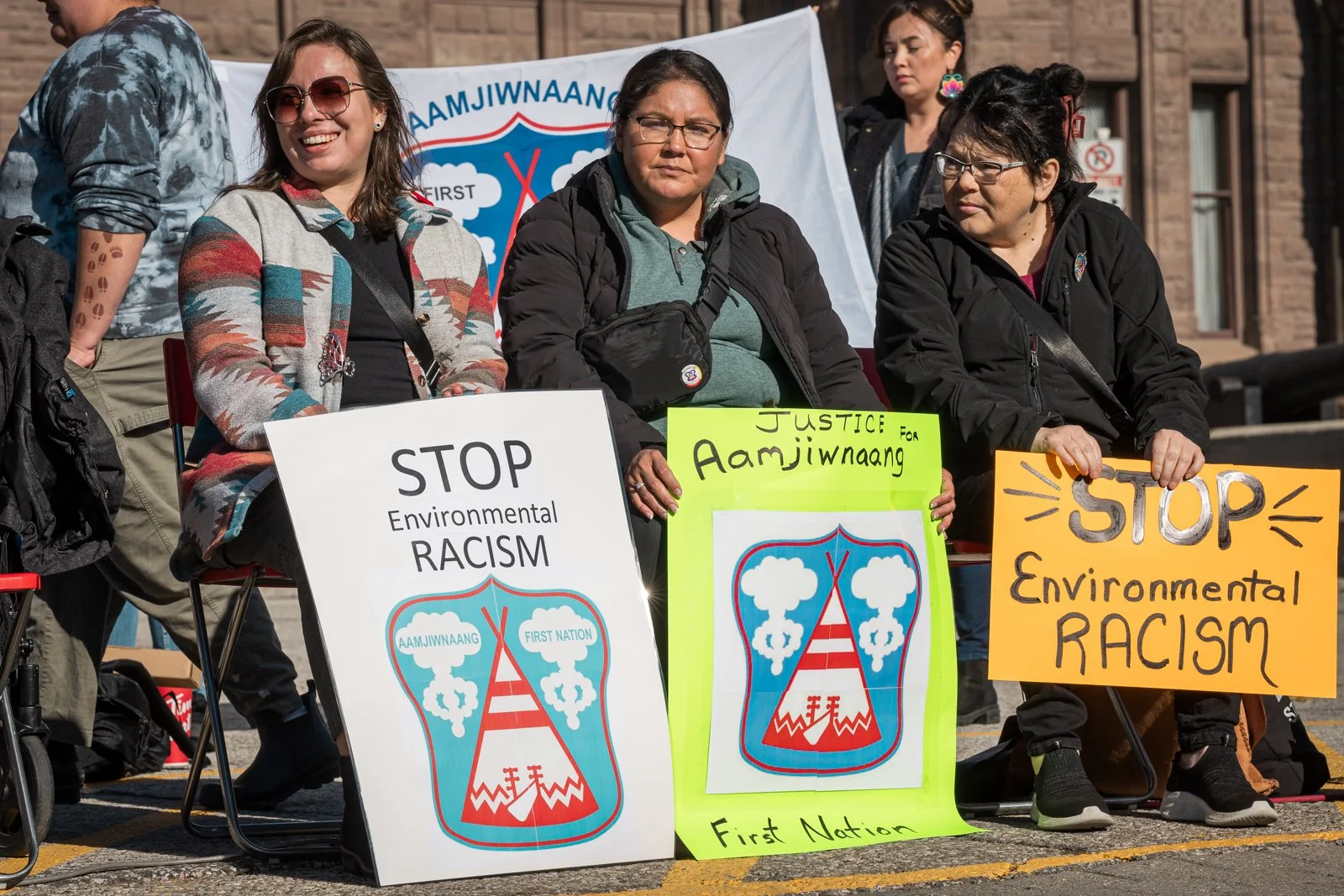
photo: Joshua Best
Community leadership has been at the heart of this effort. Aamjiwnaang advocates have documented pollution incidents, spoken out about the impacts on their families, and called for stronger safeguards to ensure future generations can grow up in a safe and healthy environment.
Environmental justice means that no community should bear a disproportionate burden of pollution. Yet communities like Aamjiwnaang continue to face environmental risks that many others do not.
At Ecojustice, we are committed to ensuring environmental laws are enforced and that everyone in Canada has the right to a healthy environment.
We are deeply grateful to the Sisters of St. Joseph for their support. Their commitment helps make it possible to partner with communities like Aamjiwnaang First Nation and others across the country, strengthening protections, upholding environmental laws and working towards a healthier, more just future.
-Manan Kohli, former Healthy Communities Communication Strategist, Ecojustice.
Header Image: Nikolett Emmert/Unsplash