
Guest Bloggers

Covid 19 Masquerade

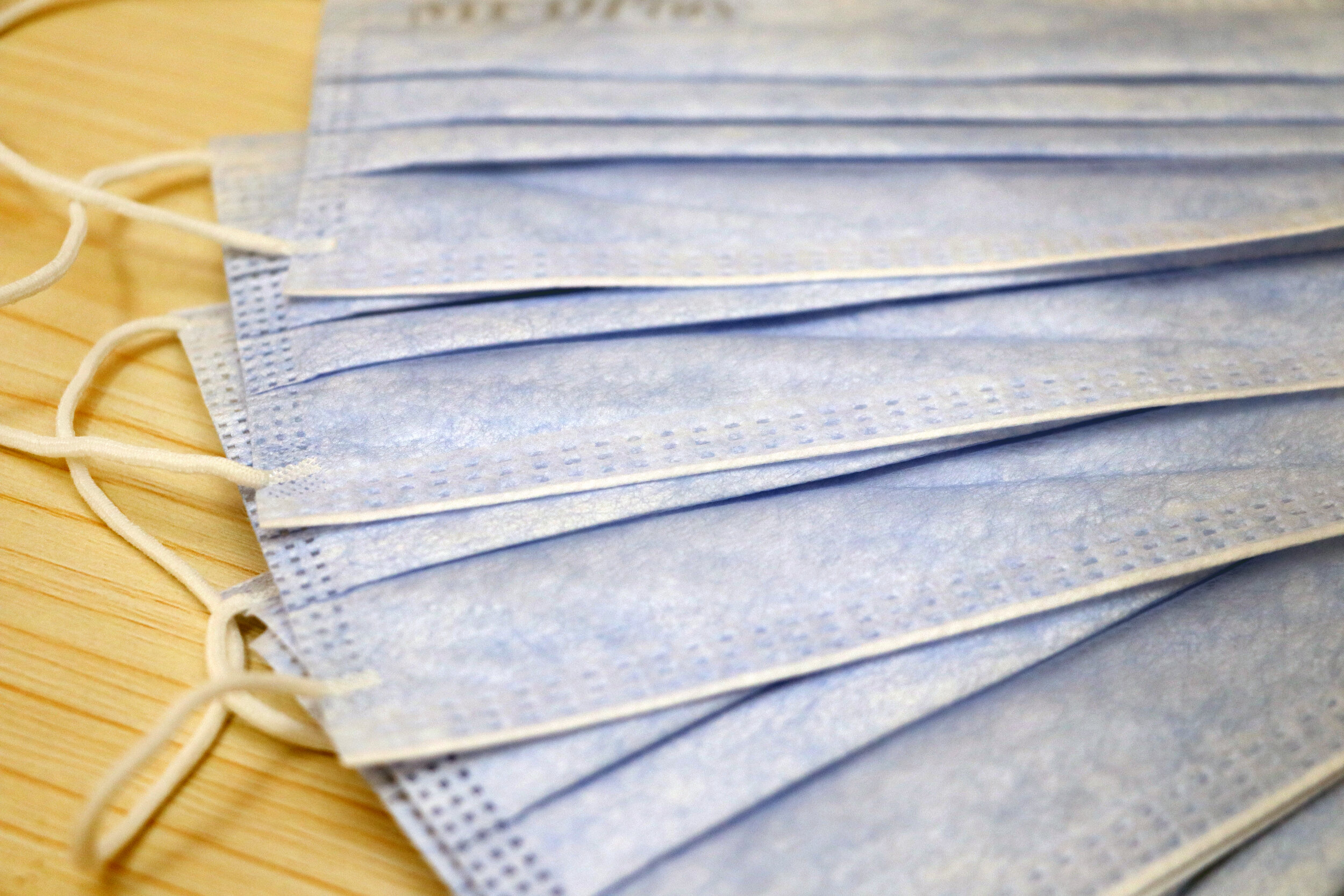
Does the title of this blog puzzle you?  Why?  Don’t you think this bizarre coronavirus pandemic feels somewhat like a masquerade? Everything looks and feels different these days. For one, masked folks are found not only in hospitals, but also on our streets and in our stores.  Masks are generally worn either as a disguise, for protection, for fun, or as a cover up. Just think of Batman and Spiderman, of masked Erik in the Phantom of the Opera, of Darth Vader or Zorro. All of them wear masks as part of their identity.  We all wear masks, invisible masks, all the time. However, wearing masks in today’s pandemic is different; we don real masks to protect ourselves from this dread coronavirus.

The first awareness I had of this new masquerade, was in early January when Donald Trump blatantly stated, “This virus is a hoax.” Masking the truth, covering up the reality, cost the US dearly, for we all know that this pandemic is far from being a hoax.  True enough, when first we heard of its presence in distant Wuhan, we could hardly imagine the horrific impact it would soon have on the rest of the world. It was something we heard about in the news, something happening over there, something that would have no impact on our lives. Wrong.

How drastically everything changed, almost in the blink of an eye!  By March the 6th, there it was, right here in Canada. The pandemic was not merely on our doorstep but right in our midst. When the first Canadian died of the virus in Vancouver, it still seemed quite far away from us in South Western Ontario.  However, within a week Canadians everywhere were isolating themselves and shutting out the rest of the world.  As schools, universities, colleges and public places closed, the first signs of a nationwide masquerade appeared.

Frontline workers, such as doctors and nurses, who usually wear masks while they care for their patients, immediately turned to additional protective gear when those infected by the virus were entrusted to their care.  However, suddenly more and more people could be seen wearing masks. Not in our wildest dreams did we ever imagine masks would become such a hot item.  Ordinarily only used to dress up for a fun masquerade or as a disguise, it suddenly has become an essential piece of protective gear.  Just think. Isn’t it peculiar how quickly it is perfectly acceptable to go to your bank masked and gloved!  No one will even look at you twice when you walk in wearing a mask, though people may look at you askance if you don’t wear one.  It’s a masquerade after all. 

Since we are admonished to stay home, very few people are out and about on our streets. However, if you go walking these days, you may come across people looking a bit like bandits or pirates, Lone Rangers or that masked character from the Phantom of the Opera enjoying solitary walks. Strange sights indeed.  The neighbourhood looks like a masquerade parody sans music, dance and laughter.  No wonder techie people begin asking, “Can we uninstall 2020 and install it again? This version has a virus.”  If only it were that easy to do so.  The answer is a resounding no; this is the world we now live in.  This is our new normal.  Normally, we don’t walk on our streets or in grocery stores wearing masks as if we were at a masquerade or carnival.

Uniquely, we all have our personal way of coping during these abnormal times.  There are those who have become despondent or even depressed, while others rise to the occasion. We hear of exceptionally kind gestures right here in London, be it Western or Fanshawe College lending ventilators and beds or be it the Catholic School Board donating five skids of cleaning supplies and gloves to hospitals.  Then there is the elderly woman feeding exhausted truck drivers or the man who delivers meals to isolated elders.  Also stepping up to the plate, are the Sisters of St. Joseph whose hospitality centre in downtown London is closed to sit-down clients for the duration of the pandemic. Every weekday morning the Sisters have been making 125 bagged lunches which are distributed to their regular clients.

The virus may know no boundaries, but neither do kindness and love. As a gesture of love, the Sisters are contributing to the pandemic masquerade. They not only pray for the needs of all people as covid-19 sweeps across our world, but some ingenious busy bees have also begun to cut, sew, pleat and iron 300 cloth masks.  These masks will be used to protect the vulnerable, elderly Sisters and staff.

Recently, I read online, “Life is a masquerade. Everywhere you look are people hiding behind masks.” These words have taken on a totally different meaning for me. They give me pause.  When the pandemic is behind us, we will no longer need to wear masks. We will have learned many lessons. Might one of these lessons be, as the sign on our front lawn states, “Perhaps, we are learning to live in the shelter of each other.” Perhaps, there will be no need to hide behind our invisible masks. 

- Sr. Magdalena Vogt, cps
 

Becoming a Canadian Citizen

She was only a young teen when she took refuge in Egypt, and an apprehensive older teen when she became a landed refugee in Canada.  She came alone and doesn’t speak about her family.  Her struggle to adjust to a strange culture, learn English, gain her grade 12 High School certificate, and find employment to pay her rent has been all consuming.  The loss of family is often overwhelming; her trust in God is her source of hope.  She has been supported during her journey by the Sisters of St. Joseph in Canada and Toronto.  This beautiful young and enthusiastic woman had one goal: becoming a Canadian Citizen.

Her dream came true on Valentine’s Day when she took the oath of allegiance along with 49 other enthusiastic and excited newcomers. Her excitement was infectious and her joy complete at least for that occasion.  She now has her sights on becoming an airline hostess.  Good luck Addis you deserve it.

-Sister Ann Marshall, csj

Do the Little Things With Love

Valentine’s Day is February 14th.  We know the 14th is a special day.  However, do we know its origins in St. Valentine?  Was there really such a person?  Where did he live?  Why do we remember him?

During my elementary years, every February our little one-room school walls were splashed with bright red valentines and cupids of all shapes and sizes. Amidst our lively Valentine exchange, our teacher would take her place at the front of the class and speak to us about St. Valentine.  Here’s what I remember.  Although not a lot is known about his life, Valentine was a third century Christian bishop, martyred by the Roman Emperor Claudius in 273 CE.   Among other charges against him, he ministered to persecuted Christians and was said to have married secretly Christian couples who were being persecuted.  People didn’t forget his many acts of kindness. From about the 14th century, Valentine’s Day came to be celebrated as a day of romance.  As years passed, Valentine became known as the patron saint of lovers, couples, epileptics and beekeepers.

There are legends about St. Valentine; one legendary account inspired me.  Once, Valentine was feeling sad about his inability to do great things to help others.  As he was praying over this, he heard a voice inside him, “Valentine, do the little things with love”.  These words impressed him deeply and influenced his life. Hearing those transformative words moved me too.  

Throughout my life, when I watch others performing deeds of valor and achieving accolades and consider my five loaves and three fish alongside their great catch, I hear St. Valentine’s encouraging voice, urging me, “Do the little things with great love”.  Such actions can touch hurting hearts and impact our little world.

On Valentine’s Day, beneath all the hearts, chocolates and expensive jewelry that few can afford, isn’t it wonderful to be reminded to do little things with great love?  Therefore, a simple card or a bouquet of flowers and a sincerely spoken, “I love you”, to our dear ones young and old, are powerful gestures of love.  In fact, such kindness is the only thing that matters – and don’t forget the kiss!

-Sister Jean Moylan, csj

Listening in Community: The Relevancy of Radio

Every Thursday night, Diabou Wandia and a number of women — and men — from her community gather around a radio.

They tune in to a program on Radio Djimara, broadcast from nearby in southern Senegal. The program is specifically tailored to the needs of women in the community and communities nearby. They discuss nutrition, breastfeeding, and hygiene.

After the program ends, the conversation starts.

“We listen as a community,” says Diabou. “When we listen together, we support each other, we understand better.”

In Diabou’s group they discuss how they can deal with waste as a community, or how they are starting a vegetable nursery to help with their kitchen gardens and to ensure the health of their children. They ask questions of each other, they phone in new questions to the radio station to address in the next program.

It’s a scene that is echoed in many communities across sub-Saharan Africa — though the topics of the radio programs change.

Farm Radio International is the non-profit that promotes this approach. By working with radio stations to design compelling, informative radio programs, they encourage communities to take up new practices, change attitudes and try new things — all the while knowing that the radio programs will support them as they do this.

Many ask why radio is so important, especially as the internet and smartphones grow ever more popular. For Farm Radio, the answer is evident: in rural sub-Saharan Africa, radio is widespread and inexpensive. Broadcasters speak the local language, meaning listeners get information in the language they are most comfortable in, and don’t have to be literate. Radio is also nimble — broadcasters can change the topic of the program immediately, as new events happen. Farm Radio’s partner broadcasters in Ethiopia, for example, when they learned of drought, changed the whole course of a program to directly meet the needs of farmers facing the crisis.

Radio is also interactive. Just because it’s a medium that has been around for more than 100 years, doesn’t mean it can’t adapt. Using mobile phones, even smart phones, Farm Radio works with their partner broadcasters to make sure their programs are participatory. Farmers and rural people call into the shows to ask questions; interactive voice response systems augment the programming, meaning listeners can call in and hear more tips; broadcasters can use phones to conduct polls that determine their next show.

Above all, this means that the voices that matter, those of rural people like Diabou Wandia can have a say, voice their concerns, and hear their voices amplified in a way that matters, and a way that will bring change to her own community.

Farm Radio International, alongside their partner radio stations, and stations around the world, is celebrating World Radio Day this Thursday, Feb. 13! This year’s theme is pluralism, representation and diversity. Amplifying the diverse voices of rural people like Diabou and ensuring their voices are represented on a powerful stage makes it possible to spark change across Africa and around the world.

For more information about Farm Radio International, visit them on their website at farmradio.org.

The Sisters of St. Joseph are proud supporters of Farm Radio International.

 - Submission by Tara Sprickerhoff, Farm Radio International Communications Officer