
Easter

March Winds and April Showers

“MARCH WINDS AND APRIL SHOWERS” - A REFLECTION FOR EASTER MONDAY
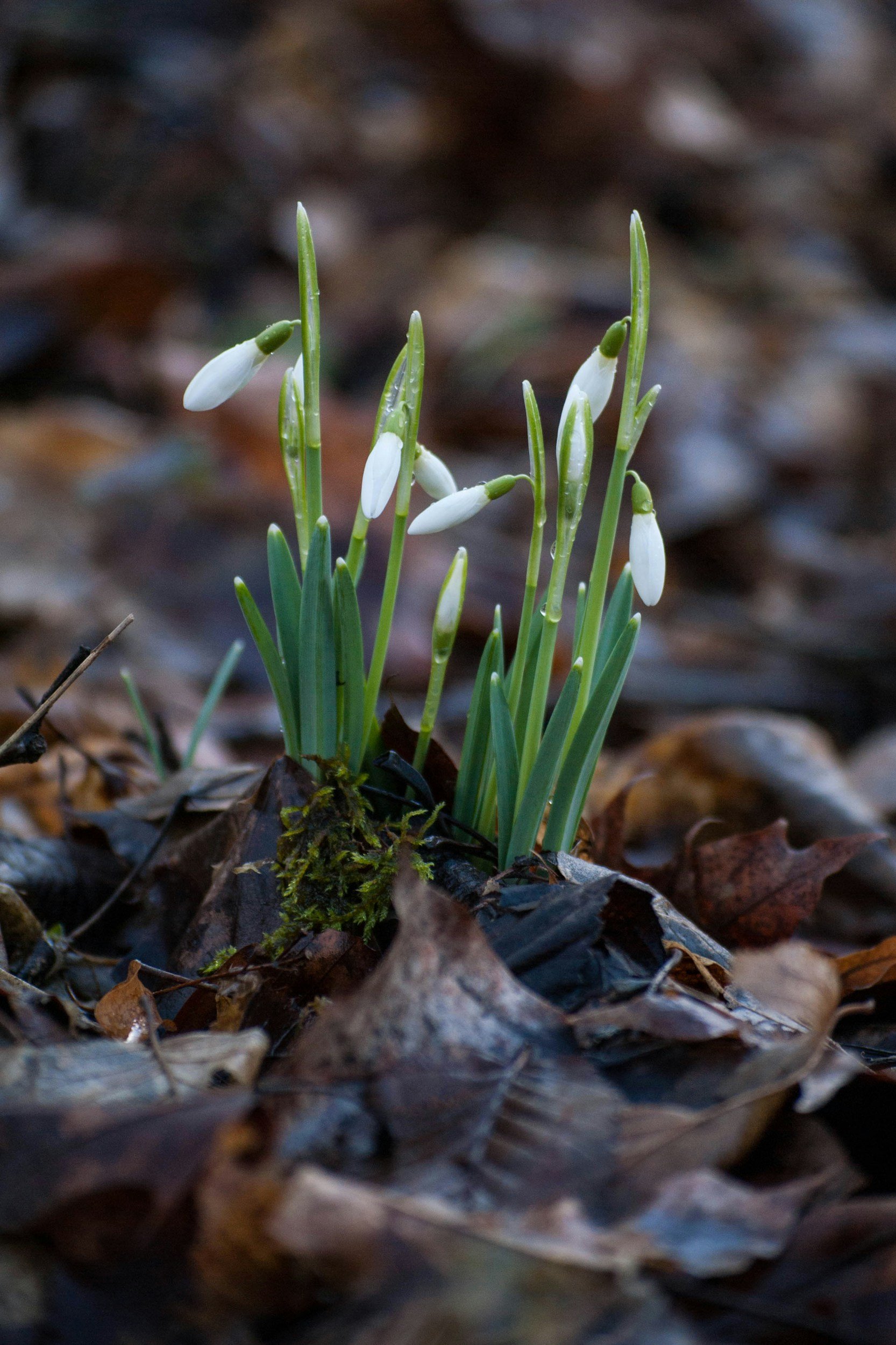
A few mornings ago, as I was walking the grounds of Villa St. Joseph, our Ecology and Spirituality Centre on the shores of Lake Ontario in Cobourg, I realized that despite the persistent cold there was a hint of Spring in the air and in my footsteps too! Suddenly, I was reminded of the predictable words of my mother as Spring approached, “March winds and April showers bring forth sweet May flowers”; a traditional English proverb dating back centuries. The literal sense of the proverb refers to the necessity of the cold winds of March and the rains of April (typical early Spring weather in the U.K. and in Western Canada especially) for the moist conditions in the soil necessary for the growth of the fresh flowers of May.

The phrase is often used to encourage those experiencing temporary hardship of the possibility of better times ahead. It has been expressed in various ways, including music. An example is the song, composed in 1935, by Walter G. Samuels and performed, in typical music hall fashion, by American singer, Ruth Ettings. The song and the various articulations of the proverb imply that growth and transformation can result from a certain dying, struggle and rising cycle – a cycle that points to hope and new life. The whole process as we experience seasonal change and as we celebrate the beautiful hope of Easter reminds us that the Paschal Mystery is writ large in the natural world and has been from the very beginning of God’s creation.
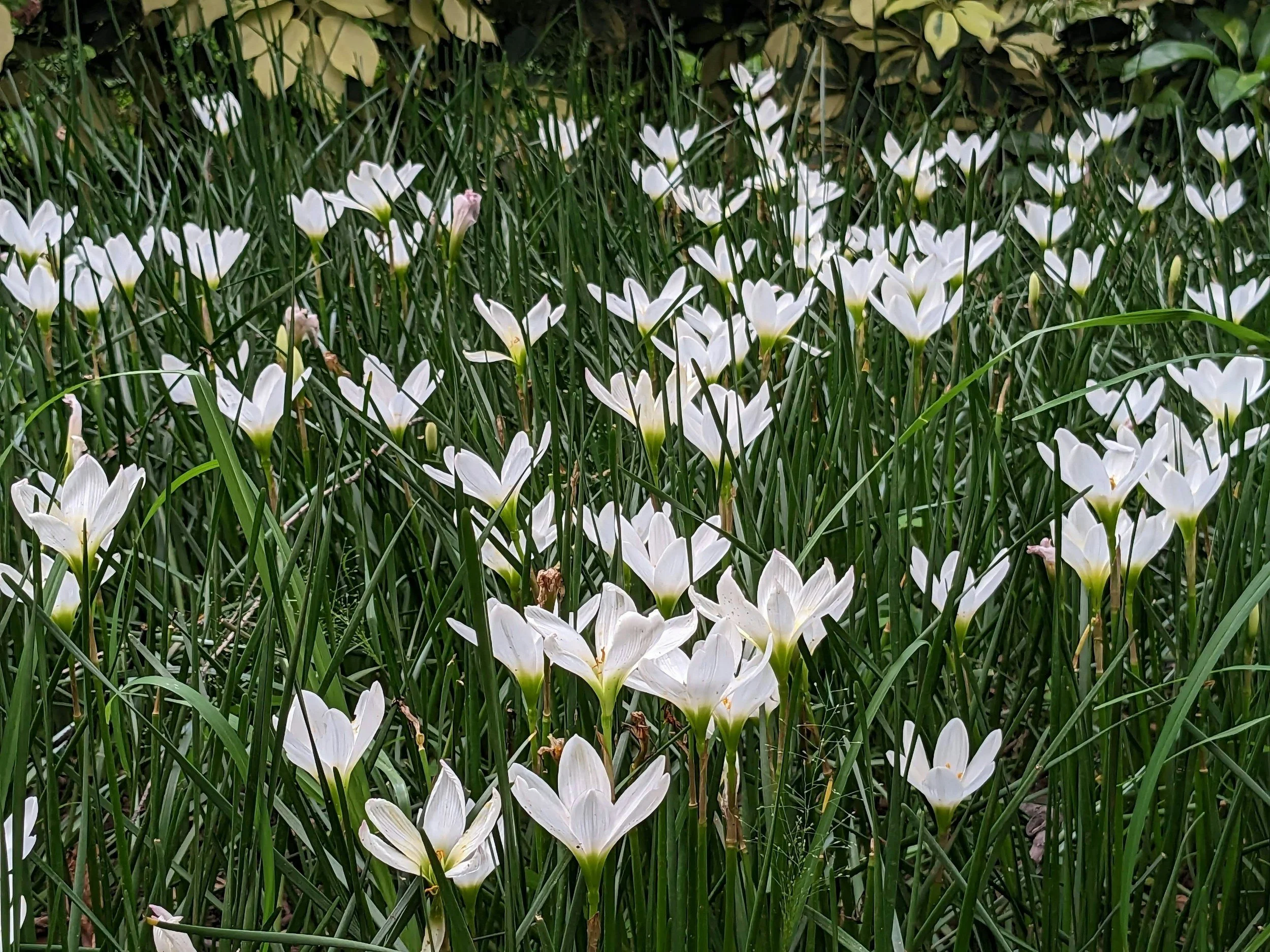
The Paschal Mystery encompasses the passion, death and resurrection of Jesus, just celebrated with gratitude and joy in our churches. That mystery is revealed and echoed in nature as a cosmic pattern of life, death and renewal. We are aware of it as we plant Spring seeds with hope for a flowering yet to come. In nature and in faith we can begin to grasp the life and promise that arises in patient waiting for “the gifts of God for the people of God” as the Anglican a book of Alternative Services reminds us. In both faith and in nature we see a revelation of divinity - the divinity of the risen Christ and of the emergent pattern of hope in the natural world. In both we discover an invitation to touch God – to enter fully into the sufferings, joys and beauty of the world. In it all we are called to lifelong transformation.  
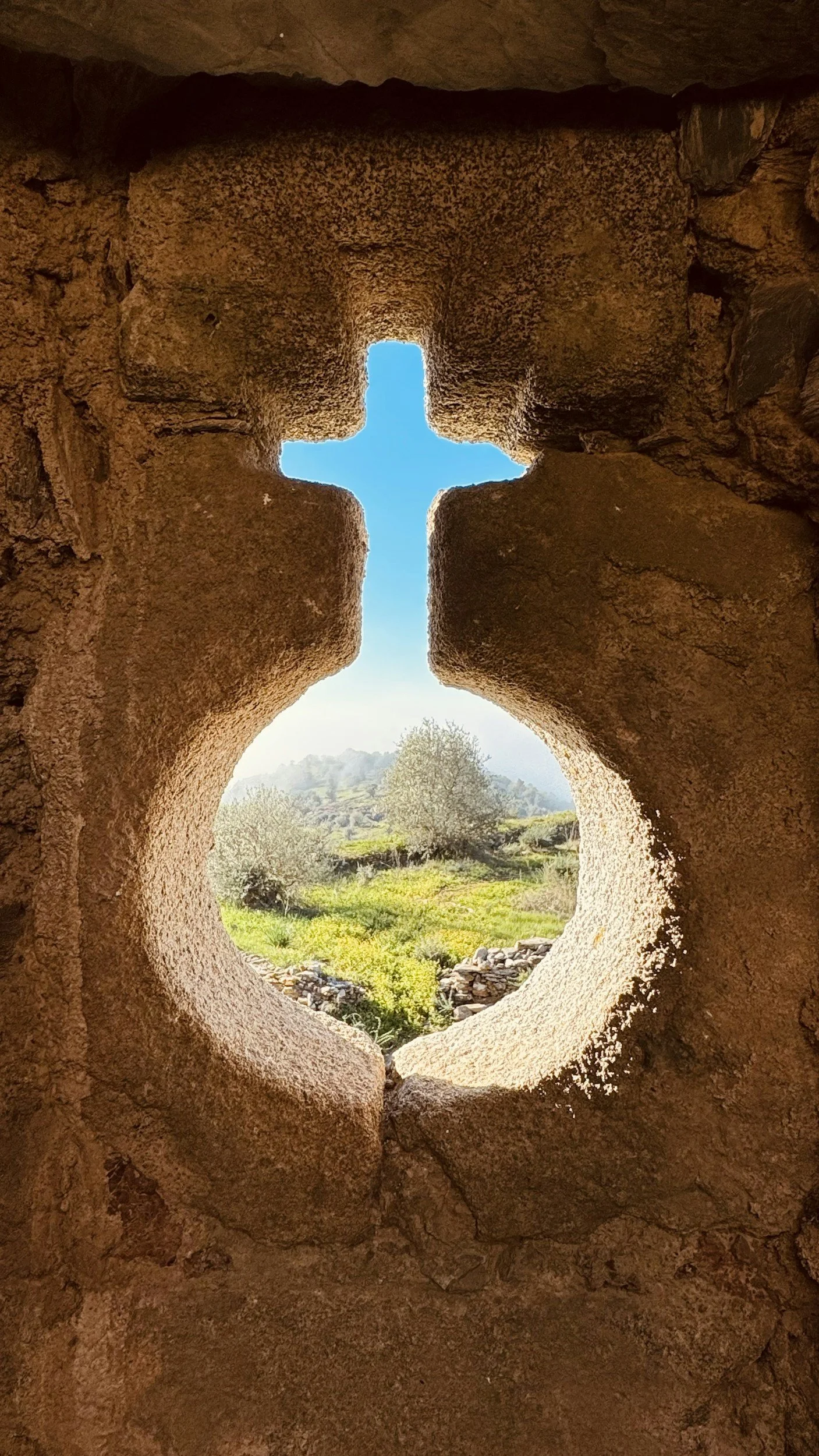
The Jesuit priest and paleontologist, Pierre Teilhard de Chardin (1881-1955) put this beautifully when he wrote in his great Hymn of the Universe: “Bathe yourself in the ocean of matter; plunge into it where it is deepest; struggle in its currents and drink of its waters. For it cradled you long ago in your pre-conscious existence, and it is that ocean that will raise you up to God.”

May we be raised up to God and encounter joy, hope and rejoicing in the emerging world of Spring as we continue to celebrate together the great season of promise beginning this Easter Monday!

-Sister Mary Rowell, CSJ

Images: Sabbra Cadabra/Photogitthi/RODOLFO BARRETTO | Unsplash
Good Friday: A Different Way of Seeing

Why Do We Call Good Friday “Good”? A Different Way of Seeing?

Every year, the question returns: If Good Friday remembers the suffering and death of Jesus, what exactly makes it “good”?

A quick search offers the traditional answer—Christians believe Jesus’ death was a necessary sacrifice that brought salvation, forgiveness, and reconciliation. It is called “good” because it leads to the hope of Easter.

And yet, for some, that explanation raises a deeper and more uncomfortable question: Does a loving God really require the death of a son?

For me, that idea doesn’t sit easily. A God who gives life, who nurtures and loves unconditionally—would that same God desire suffering and death? It’s hard to reconcile those images.

This question isn’t just theological—it’s deeply human. I think of my own family. When my brother died in a car accident at sixteen, my parents certainly didn’t see any “necessity” in his death. They grieved the loss of a vibrant life, full of promise and goodness. Love does not will loss. Love longs for life.

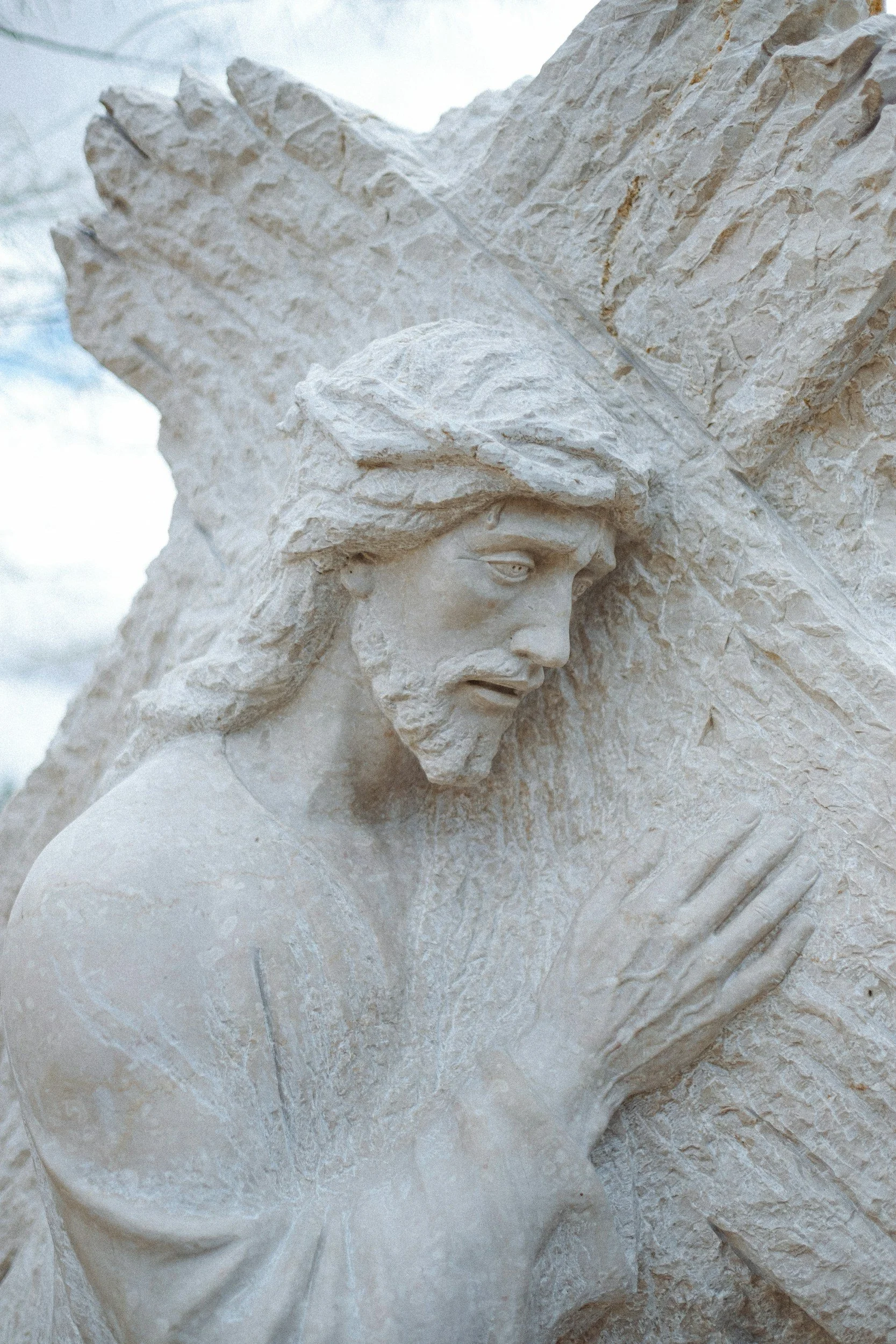
So perhaps Good Friday invites us to look again—not at a required sacrifice, but at a profound tragedy.

It is the day we remember the death of a man who lived with a bold vision: a world where love, justice, and harmony were possible. Jesus spent his life embodying that vision—healing, forgiving, including, and proclaiming a deep and unwavering love of God. And for living that way, he was rejected.

“He came to his own, and his own did not accept him.” (John 1:11)

Good Friday, then, becomes not a celebration of suffering, but a moment of honest grief. A recognition of what happens when love confronts fear, when truth meets resistance, when goodness is misunderstood.

And yet—even in his dying, Jesus revealed something extraordinary. Not vengeance. Not despair. But forgiveness:

“Father, forgive them; they do not know what they are doing.”

“Today you will be with me in paradise.”

In these final words, we see the heart of His life’s message. Not that suffering is required—but that love remains possible, even in suffering. That forgiveness can rise, even in the face of violence.

Perhaps that is where the “good” begins to emerge.

Not in the death itself, but in the way He lived—and the way He died. A gentle life ended by violence. A life of love that refused to become hate, even at the end.

Good Friday may not be “good” in the way we often define it. But it is true. It reveals both the worst and the best of humanity. And it leaves us with a calling:

To live as He lived.
To love as He loved.
To become, in our own imperfect ways, embodiments of that same compassion and courage.

Maybe the only “necessity” in Good Friday is this stark contrast—between a life rooted in love and a death marked by violence.

And in that contrast, we are invited to choose again what kind of world we will help create.

-Sister Kathleen Lichti, CSJ

Image: Wim van 't Einde/Unsplash

Do This In Remembrance of Me

A REFLECTION FOR HOLY THURSDAY

Since childhood, I’ve loved and looked forward to the diversity of narrative and liturgical richness of Holy Thursday.  It is at once a celebration of the institution and gift of the Eucharist and of the priesthood of all believers, it calls us to action in God’s world, and then presents us with the vulnerability, desolation and pain of Jesus in the Garden of Gethsemane. Holy Thursday which marks the beginning of the great Paschal Triduum seems to hold within it the very essence of a vibrant life of faith. There is so much on which to reflect. It’s hard to find just one focus!

The words of Jesus that remain with me consistently as this day comes around each year and at every celebration of the Eucharist are recorded in Luke’s Gospel and echoed in St. Paul’s first letter to the Corinthians (11: 23-26): “Do this in remembrance of me”. Immediately the question arises, “do what in remembrance of me?”

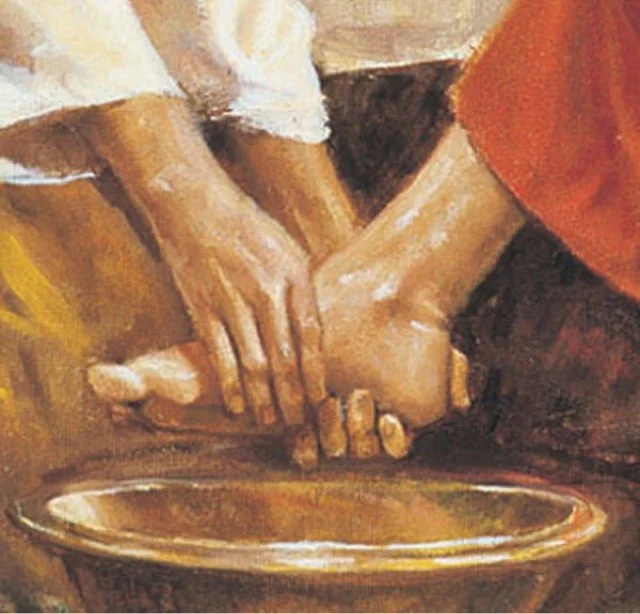
As we gather at the table of the Eucharist where Jesus offers himself totally - to what are we called in remembrance of him? The answer is found in this year’s reading from St. John’s Gospel “wash one another’s feet” and in the symbolic practice of foot-washing during the ritual of Holy Thursday. What might this look like? Jesus shows us by his witness to ultimate love in the giving of his body, and in calling all to the table where everyone is to be welcomed– no exclusions! His presence for all time promised here is a presence of mercy and justice. His is the love that feeds us in sacrifice and service and calls us to an oftentimes costly discipleship.

Psalm 11 poses the question “when the world falls apart what can the good do?” Today, we so often experience helplessness in the context of all that is happening in our world – a world that sometimes feels as if it is, indeed, falling apart. So, what can we do? We can wash one another’s feet, one small yet significant act of respect and kindness at a time. Having been nourished at the Eucharistic table we can create tables at which all are to be welcomed and nourished materially and spiritually.  We wash other’s feet by listening to the inseparable cry of the Earth and of the poor, by the “realization” of inclusion of all peoples, by  accompanying the abandoned, lonely, desolate like Jesus in the Garden of Gethsemane; by ‘staying awake’ and confronting the cruelty, violence and systems of injustice often so evident at this time in the world.

Kimberly Lymore, who will speak on the inspiring series, “Catholic Women Preach” on this Holy Thursday (video below) says as she links the themes of Holy Thursday: “We cannot receive the Body of Christ (in the Eucharist) while degrading the bodies crushed by poverty, violence and neglect. We cannot proclaim, ‘Amen’ at the table and then remain silent when dignity is denied.”

On this Holy Thursday may we be drawn into the depths of Eucharistic love that through the cross leads ultimately to resurrection in the world.

“Do this in remembrance of me.”

-Sister Mary Rowell, csj

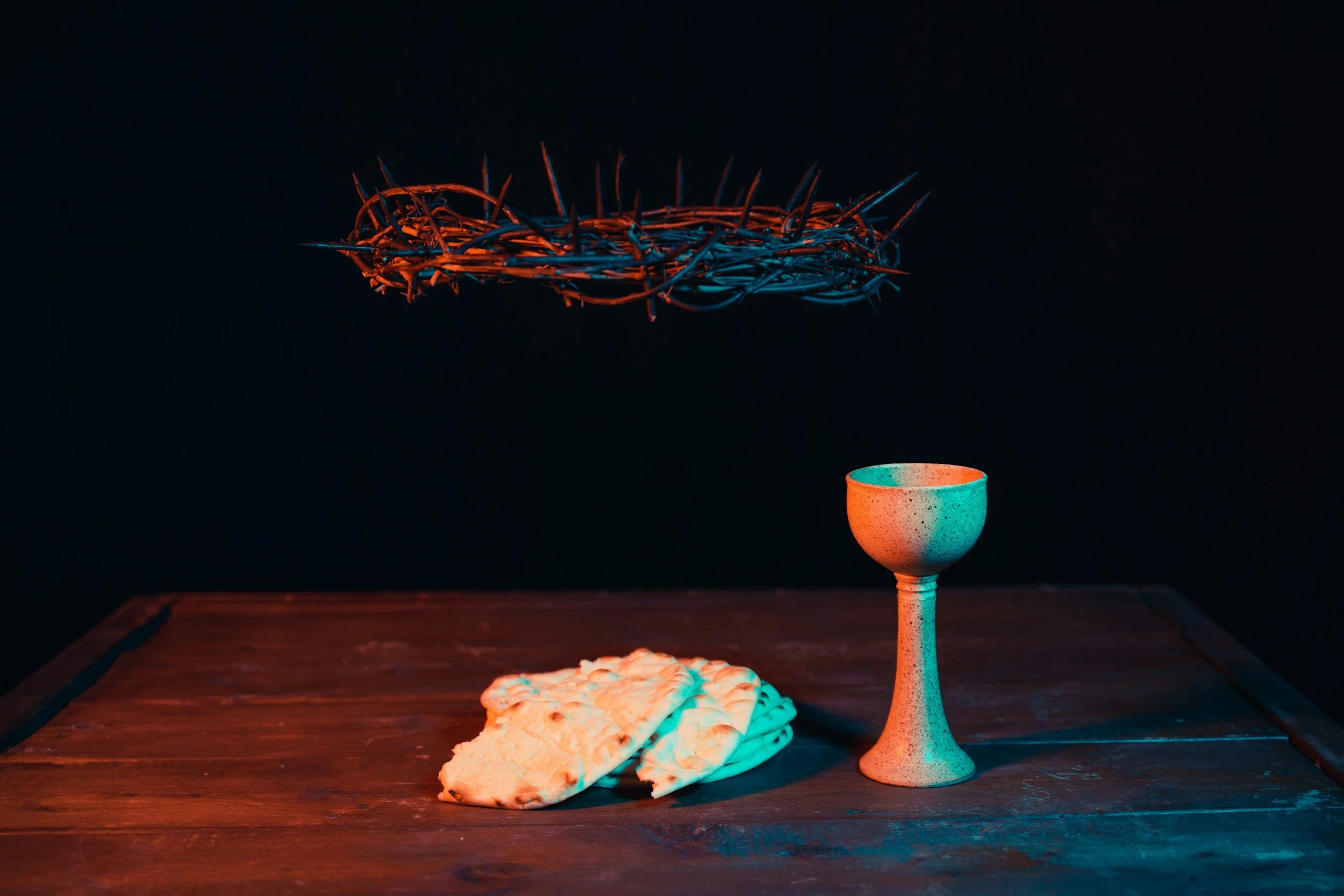
Image: James Coleman/Rey Proenza | Unsplash

AWAITING: A Reflection on Holy Saturday

Today, across the world, we encounter a profound stillness. Symbolically, on Holy Saturday, churches, chapels, and tabernacles are empty - sanctuary lamps extinguished, and altars are stripped bare. This bareness mirrors the tomb itself and draws us into the mystery of Holy Saturday.

Holy Saturday, often overshadowed by the solemnity of Good Friday and the jubilance of Easter Sunday, calls us to pause, to wait, and to reflect. Today occupies a unique space between two defining moments of the Christian faith.

What insights does this day offer us? Might this day of invitational waiting speak to us of the quiet, hidden processes that precede transformation. Can we, like the disciples of old, sit with our doubts and hesitations, acknowledging that the path to new life is often paved with darkness, difficulty, and deferred answers? Holy Saturday beckons us to acknowledge that inner change often comes not with instant clarity, but in the spaces in between, where our belief is stretched and refined.

Transformation is not a future event. It is a present activity.
— Jillian Michaels

Holy Saturday’s spiritual richness lies in its invitation to trust even when we cannot see the way forward. Our hope has the capacity to sustain and reassure us that God’s love holds us through all the seasons of life.

Let us pause to embrace this sacred, solemn interlude, and allow its stillness to deepen our awareness of the God of Goodness, who is always birthing new life.

-Sister Nancy Wales, csj

The slow work of God is so much greater than the instantaneous. We can’t rush things into existence.

Image: Alicia Quan/Unsplash

Easter Saturday - GO!

Easter Saturday – Go !

“Go into the world and proclaim the good news to the whole of creation” Mark 16: 9-15

Our week of solemnity sends us forth to embrace the path of our everyday life, listening to God, the universe, and the world’s pulse, trusting in God’s healing and whole-making energy of renewal.

-Sister Loretta Manzara, csj

Music: Go out to the World, Ed Bolduc