“In War, there are no unwounded soldiers”
-Jose Narosky
Blog

UPDATE
Our Blue Community Coordinator Paul Baines collects and shares a list of current news and invites that inform and animate our Blue Community pledge to protect water as a human right, shared commons, and sacred gift.
In this update, you can learn more about the Waterdocs Film Festival, a new effort to transfer Nestlés’ water operations to Indigenous and settler communities, new rules and old myths about plastics and recycling, and COVID and the human right to water.
WATERDOCS FILM FESTIVAL
From November 4 – 8, this annual water documentary festival is now available to everyone. Normally it is an in-person event only in Toronto, but because of COVID anyone can access these great documentaries. The CSJ Blue Community project is a sponsor and has VIP access. You can see the full program here and it’s also added to this email as an attachment for easy viewing and printing (if needed).

ASK NESTLÉ TO DIVEST ITS ASSETS
The collective efforts to phase out the bottled water industry in Ontario is getting bolder. We successfully won yet another 6-month extension to the 4-year ban on new bottled water permits. We helped influence a new permit policy framework that is still in development but it already signals that communities will be able to veto new bottled water wells.
Now there is a North American campaign asking Nestlé to give back some of its assets to the local communities who are struggling with current and future water security. A few months ago Nestlé was trying to sell its Canadian water operations to Ice River Springs. That sale was denied by the regulators and now water justice activists are asking “if you want to divest from Canada, give communities back their water commons”.

You can read about and sign onto the North American campaign here and the Wellington Water Watchers have already signaled that the Aberfoyle Nestlé bottling plant and well should be given to Six Nations of the Grand River with the Hillsborough well going to Centre Wellington County and the Middlebrook well going to Elora. Much more work is being done on this campaign since these are BIG shifts in the struggle for water justice. As the campaign develops your CSJ Blue Community project will keep you up to date.
THE MYTH, THE BAN, AND THE NEW RULES: PLASTICS
Plastics are again in the news with the Federal government announcing its plans to ban various kinds of ‘single-use’ plastic. The initial promises seem very progressive.
Announcing plans to reach zero plastic waste by 2030, the federal government's website noted that "every year, Canadians throw away 3 million tonnes of plastic waste, only 9% of which is recycled, meaning the vast majority of plastics end up in landfills." (from the CBC)
Items included in the ban (source):
Checkout bags
Stir sticks
Beverage six-pack rings
Cutlery
Straws
Food packaging made from plastics that are difficult to recycle
Items not included in the ban:
Garbage bags
Milk bags
Snack food wrappers
Disposable personal care items and their packaging
Beverage containers and lids
Contact lenses and packaging
Cigarette filters
Items used in medical facilities
Personal protective equipment
Canadians spend 2.5 billion dollars every year on bottled water. Almost all of this comes in single-use plastic bottles. That’s a lot of bottles with only about 20% of these bottles downcycled.
There is no such thing as plastic recycling. This myth was created by the plastics and fossil fuel industries 30 years ago because society was starting to question the rise of plastics and their negative impacts. Downcycling is the process of recycling a material 1, 2, or 3 times with each phase degrading the material so that it can only be landfilled.
Read and listen to this CBC interview with an investigative journalist about the industrial myth of plastic recycling and how we are still struggling with this pervasive and persuasive substance.

ACTION: add your name and voice to this petition to include single-use plastic water bottles in the Canada plastics ban.
COVID AND THE HUMAN RIGHT TO WATER
The World Council of Churches’ Ecumenical Water Network moderated a conversation on the human right to water in times of COVID-19 with Bishop Arnold Temple (chairperson of the WCC-EWN) and Dr. Maude Barlow (co-founder of the Blue Planet Project). You can listen to the 27 minute recording here.
On a related note, our Blue Community project has started collaborating with WaterAid Canada about the human right to water and sanitation. You can read one of their bulletins here. From that same source they write:
As COVID-19 has devastating impacts on people’s health, education and livelihoods across the globe, hand washing has been recognized as a first line of defense in public health. At WaterAid, our experience of promoting hand washing with soap and water as part of our WASH (water, sanitation and hygiene) and behavior change programs has enabled us to respond quickly to COVID-19, scaling up our existing hygiene work through government-led mechanisms, focusing mainly on hygiene behavior change.
Some statistics:
40% of people worldwide don’t have access to soap and water to wash their hands.
Three billion people worldwide have nowhere to wash their hands with soap and clean water at home.
1 in 4 health centers lack these basic hand washing facilities on site.
2 in 5 schools globally do not have soap and water available to students – that’s 800 million children who lack soap and water at their school.
You can always see the latest updates on our website: www.bluecommunityCSJ.org
We often hear the expression “Walk the talk” to denote a person who is authentic in living out his/her values that are professed verbally.
But when there is an invitation to “TALK THE WALK” it has a slightly different twist: it assumes that the person has already or is engaged in the walk that is professed. For example: Recall a time when you have experienced a situation in which you have been unexpectedly called upon to speak or act out of personal truth and conviction,. What was that like for you?

This Talking the Walk is done in the Kairos Teaching and Sharing Circles that have recently been birthed to educate mainly Non-Indigenous peoples, although not exclusively, about the history and culture of the Indigenous peoples of Canada. The TALK is given by an Indigenous person, who has and continues to WALK in the steps of the ancestors. These Talking and Sharing Circles have become another forum along with the Kairos Blanket Exercise, for the true history of the relationship between Indigenous and Non-Indigenous peoples of Canada to be told from the Indigenous perspective and provide an opportunity for ALL people in Canada to become more knowledgeable to “Walk the Talk”.
We, as a nation have just embarked on implementing the Truth and Reconciliation Commission’s report that came out in 2015. We have an opportunity to SPEAK OUT, to move towards reconciliation. https://secure.kairoscanada.org/civicrm/mailing/view?reset=1&id=800
In our own personal lives, what might it mean to “Talk the Walk”, to “Walk the Talk”?
- Submitted by Kathleen Lichti, CSJ
‘Tis the last week of October. You knew that already, of course. If nothing else, the much cooler weather here in the northern hemisphere is a giveaway that November is just three days away. If you are among those who still go shopping, you will most likely have seen innumerable signs of Halloween wherever you go. On my recent walk through the lovely neighbourhood, I noticed goblins and ghosts and ghouls roaming amongst rustling autumn leaves and the last roses of summer. Whether we believe it or not, 2020 (the year that wasn’t) will make way for 2021 in sixty-four days.

So, are you getting ready for Halloween? What kind of mask might you be wearing? Oh, how could I forget – this year masks will not be a big deal at Halloween. We have already been halloweened, aka masked, for, what, seven months?? Masking to protect ourselves and others from the Coronavirus, that’s what we have been doing and continue to do. Not with masking tape, but with masks of various designs and colours no one would have imagined prior to this pandemic. PPE of one kind or another has become part of our normal attire. Masks and gloves ad nauseam. Cover-ups everywhere.
What are we hiding behind our fabric masks and in our homes where we hunker down in our bubbles? Do I still see the beautiful you behind your mask? Do I remember the whole of you, or have we become strangers to each other, isolated from each other? I long to see you, the wholeness of you, after these long months. This pandemic has been hard on us in so very many ways, but has it robbed us of our wholeness? Or have we instead allowed this pandemic to strip us of our familiar normal busy way of being so that our true self, our (w)holiness can shine through more clearly these days? As luck, or grace, would have it, this morning I came upon this poem by Bob Holmes.
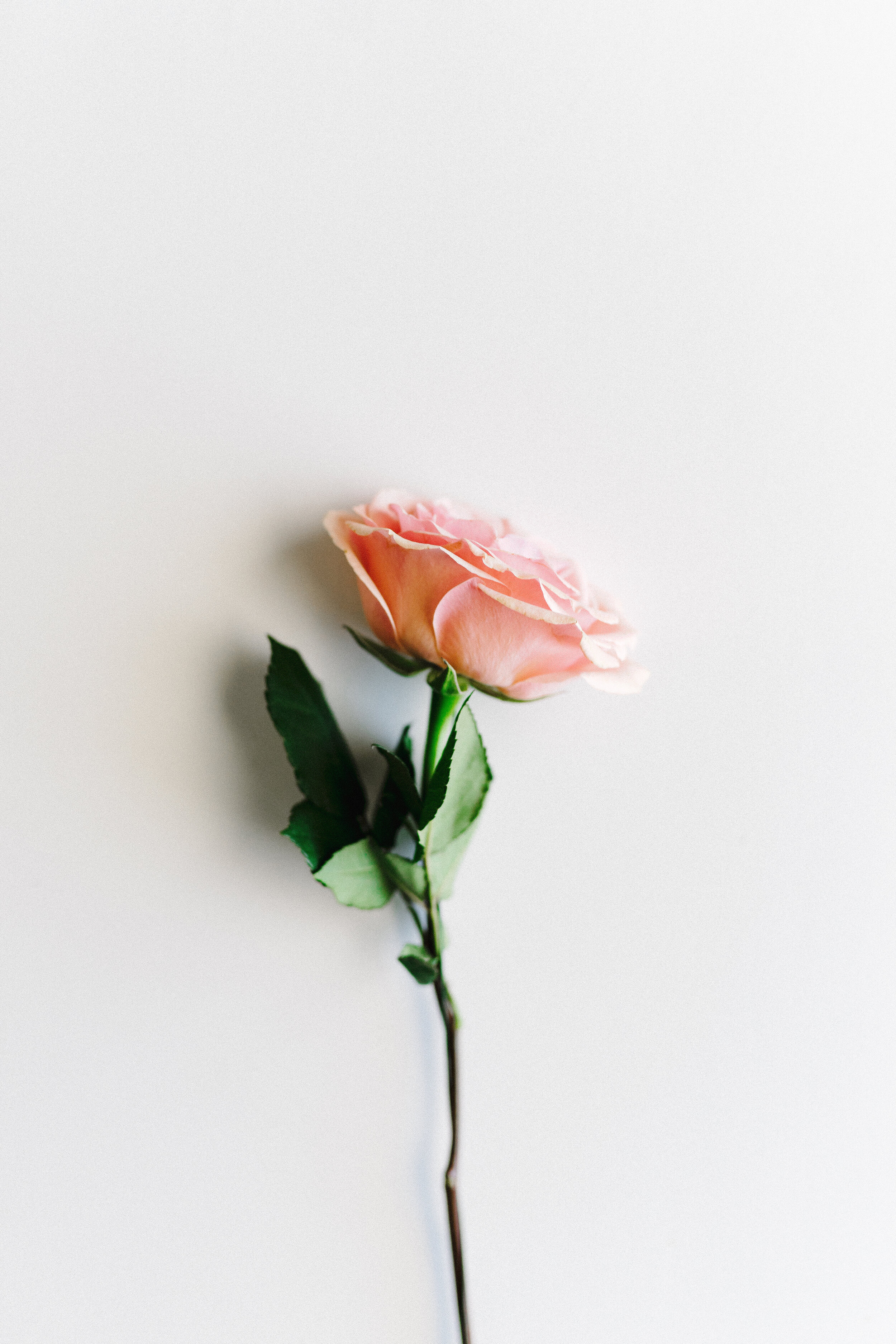
The Rose After The Hurricane
It's alright to be discombobulated.
It's ok to live in the shambles where everything is blown apart.
For those who live lives of firm certainty cannot know transformation.
It's not until we let go that we can refind ourselves at a deeper level.
Until your life has been blown apart
as you stand on the edge of oblivion,
Until our control falls apart into the chaos of unknowing,
Until our ego melts and burns in the cauldrons of life,
Until we have no whisper of hope left within us
as we stand naked and broken,
our molecules on the cusp of being unmade,
We cannot know in every cell of our being
the grace and love of God that transforms us.
I would say these first stanzas speak loudly to our present lives that offer us 20/20 vision to see ourselves and each other more clearly. Are we paying attention? Bob Holmes concludes his poem with these lines:

Being in being
Woven with eternal threads
of burning, living, light
where we become
Something we cannot fathom.
Such is the grace of God
that unmakes us to make us whole.
If you live in the northern hemisphere, why not go out among the trees to witness their beauty, their wholeness shining through in their golden dying leaves and ponder how you might, “become something [you] cannot fathom.” Perhaps then, quite unexpectedly, you might be led to look at yourself in the mirror to gauge how during these months, slowly, and painfully, your (w)holiness is being unmasked.
What is (w)holiness? Might I suggest (w)holiness = wholeness + holiness. Yes, of course, we are all painfully aware of being a mix of beauty and brokenness, of love and lies, of holiness and hiddenness. Thinking about unmasking (w)holiness takes me back to Brenè Brown’s book, The Gifts of Imperfection: Let Go of Who You Think You’re Supposed to Be and Embrace Who You Are in which she, “explores how to cultivate the courage, compassion, and connection to embrace [one’s] imperfections and to recognize that you are enough.” (goodreads.com) Can we reach a point where we stop hiding behind masks and instead choose to embrace our enoughness, our wholeness our (w)holiness? As Bob Holmes concludes his poem, “Such is the grace of God that unmakes us to make us whole.”
- Sister Magdalena Vogt, cps

Lord,
Help us take off our masks,
the ones we wear to hide
from others and ourselves,
the person you made each of us to be …
Unmask us all, Lord,
Help us find the hidden, human beauty,
under costumes, ‘neath our masks,
in everyone around us,
beginning with ourselves
and help us, Lord,
to love each one we find …
-A. Fleming (Excerpt: Morning Prayer, 27 Oct. 2020; A Concord Pastor Comments)