

Kathy O'Keefe

ADVENT: A Time to Lighten Up!

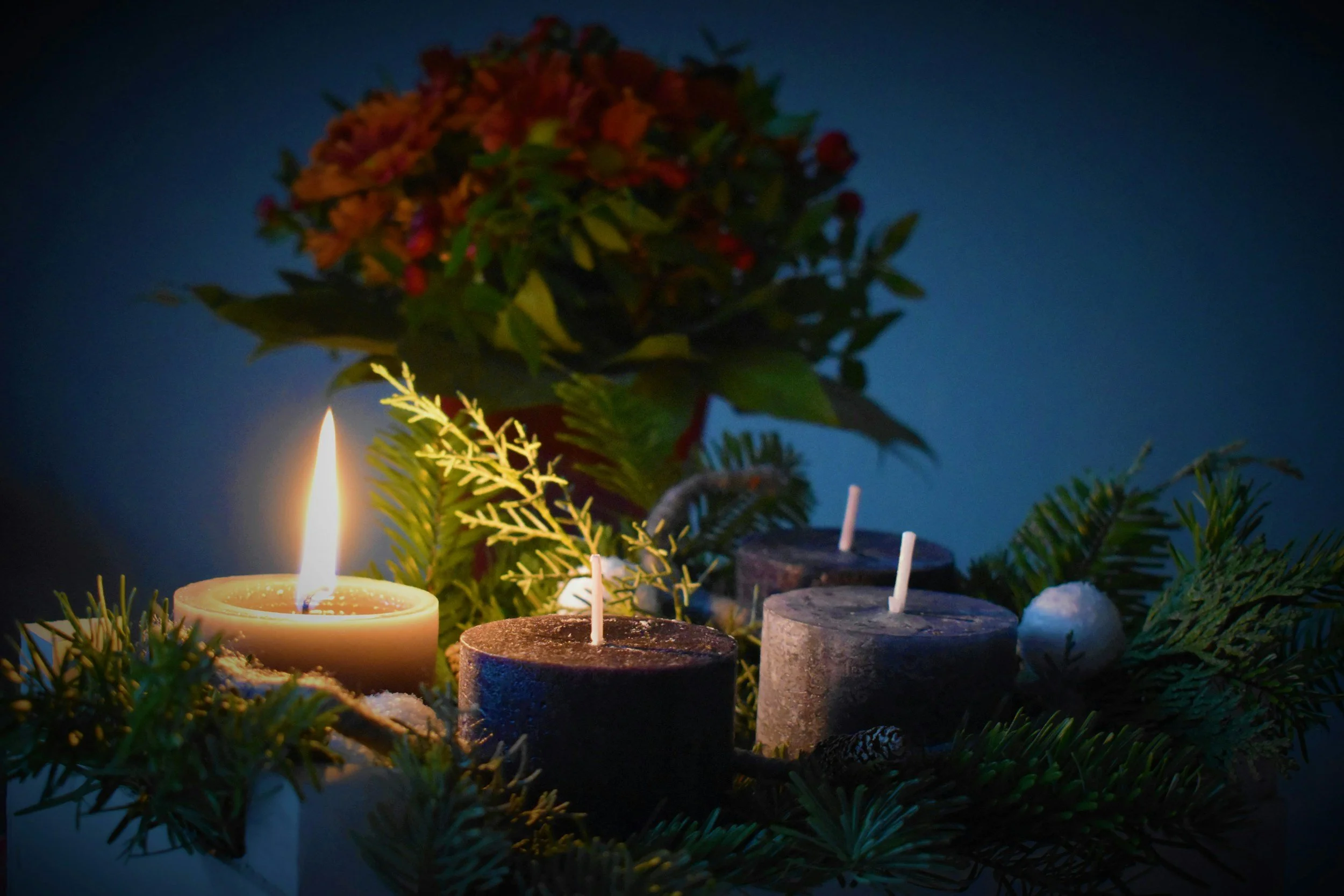
On these dark November days, I have been thanking God for glorious sunrises, stargazing, Northern lights, and supermoons.  This time of year, world religions celebrate Festivals of Light.  For Christians, in this Advent season, we anticipate the celebration of the birth of Christ who is “the true light, the Light of the World.”  In the beautiful prologue to John’s Gospel, we read: “The Light shines in the darkness, and the darkness did not overcome it.” 

The theme of darkness is a common thread running through the course of our lives. Darkness is a rich symbol in our spiritual life inviting us to grow and embrace our vulnerability.  In her book “Radical Amazement”, Judy Cannato proclaims: “Life is a Mystery, shrouded in darkness.  But the darkness is a place of possibility and power” leading to transformation.  Even our body was formed in the darkness of our mother’s womb.  When we were born, we passed from darkness into light.  In fact, I was born on the Winter Solstice: Light and darkness are part of who I am.  Since birth, I have had an inoperable cataract which means that while I have vision in my left eye, I cannot see with my right eye.  I was given the precious gift of sight and light and not total blindness and darkness.  
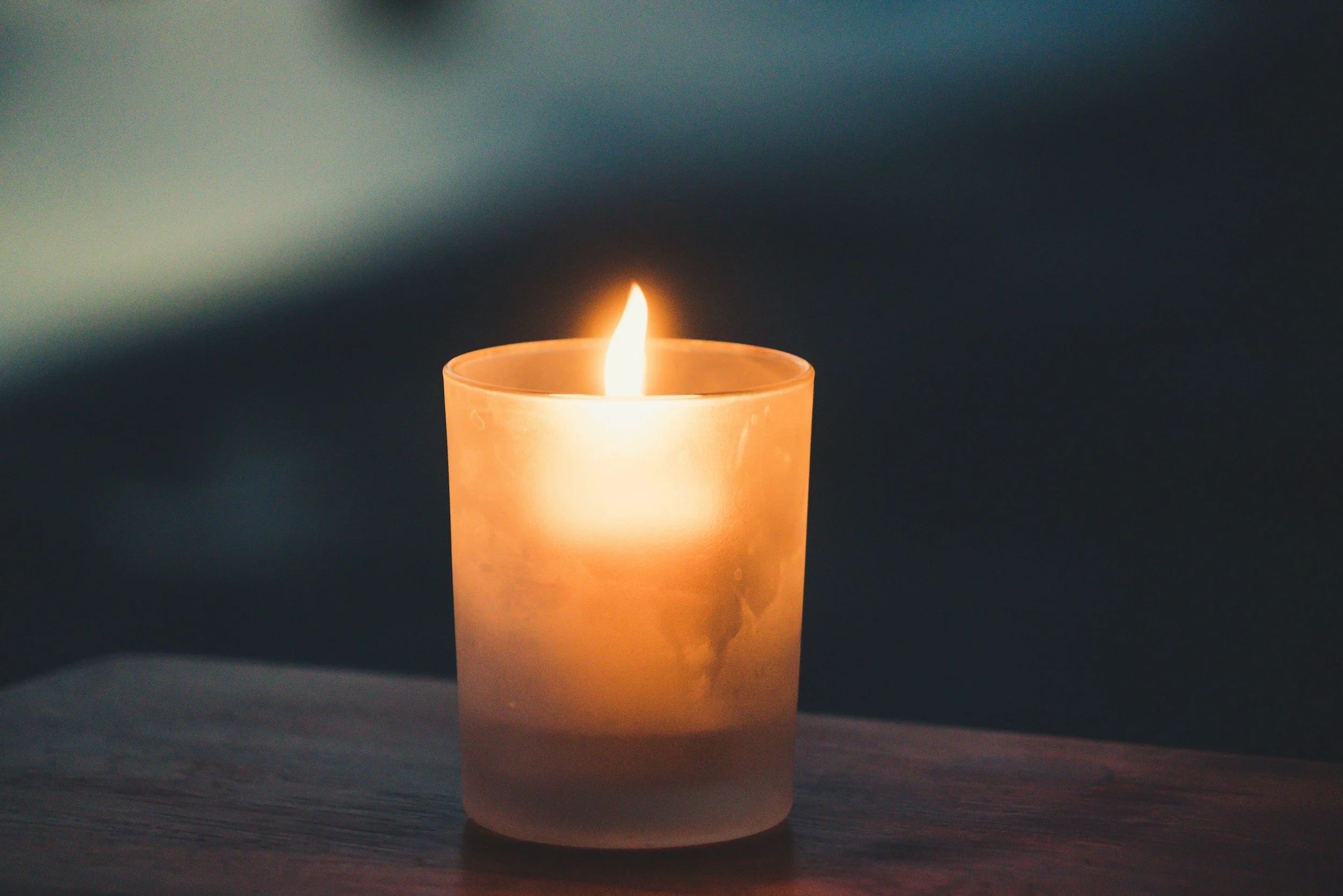
Whether a firefly, a flashlight, a porchlight, a bonfire, a fireplace, Christmas lights or Advent candles, we are drawn to the light.  It brings comfort, penetrating our wounds.  We can be sparks of light bringing hope to each other in the storms of life.  Within us we carry our greatest treasure, the Christ-light.  May we experience anew the Presence of the Cosmic Christ illuminating all of Creation. This Advent 2025, welcome the Light!  Be the Light!

-Sister Kathleen O’Keefe, CSJ

Image: Waldemar Brandt/Paolo Nicolello/Unsplash

Garnishes of Beauty - Edible Flowers

At Stillpoint House of Prayer, we are blessed with Karen and Jasmine, a mother and daughter team, who prepare nutritious and appealing meals for our guests.  Admiring their presentation of food, someone on retreat commented “They have a spiritual gift.”  This statement got me thinking.  When someone takes a bit of extra time to add a garnish as a creative touch, this gesture shows that person cares.  The added ‘ingredient’ brings beauty with the potential to touch a person’s soul and can stir up a natural response of gratitude to God. Edible flowers are garnishes that offer a delightful sensory experience. The thought of eating them may seem unnatural to some; however, for centuries, cultures around the world have brightened their recipes by adding flowers. When innovative cooks use flowers and artistically arrange them on a plate, they enhance our lives with a burst of colour, interest, taste, and texture.  The flowers are meant to harmonize with the foods and accurately represent what is contained within the dish, give a clue to the flavour of the meal, complement the taste of the dish, enhance food’s aromatic qualities, and fill empty space on the plate.

There are many options for edible flowers that can be used throughout most seasons.  Nasturtium, pansies, marigolds, tulips, cornflowers, verbena, geraniums, honeysuckle, johnny jump-ups, and calendula flowers are just some of the varieties available.  When the anthers are removed, gladiolus act as lovely receptacles for sweet or savory spreads or mousses.  Roses are sweet with subtle overtones, ranging from fruit to mint to spice, reminiscent of strawberries and green apples.  Although all roses are edible, the darker varieties have a more pronounced flavour.

Always check to make sure a flower is edible and, when in doubt, don’t eat it!  Azaleas, buttercups, daffodils, delphinium, and wisteria are poisonous. Never use pesticides or other chemicals on any part of any plant that produces blossoms you plan to eat.  Roadside flowers are not to be harvested because they may have been exposed to vehicle exhaust and salt runoff from the winter months.  Anyone with allergies proceed with caution.  When dining out, ask if a flower used as a garnish is edible.   

Edible flowers are always best when picked fresh from the garden at a cool time of day; morning is often best.   Be sure to wash the flowers and check to be sure that no insects are stuck inside your flowers. The petals are the best parts of many edible flowers so remove the heel at the base of the petal as well as the stamens, pistils, and calyx of larger flowers.  Some, like pansies, however, can be eaten whole.  After cutting the petals away from the bitter base of the flower, carnations can be steeped in wine, candied, or used as cake decorations.  

Every year when planning the landscape of your garden, be sure to add varieties of edible flowers.  These flowers not only add beauty to your landscape, but valuable nutrients as well.  As perfect companion plants, they will naturally enhance your gardening success.  Most edible flowers like roses and lavenders contain vitamin A, C, and E.  Antioxidants also protect the body from damage linked to disease and ageing. Now, this is “flower power”!

-Sister Kathy O’Keefe, csj on behalf of the Federation Ecology Committee


RESOURCES from Google:  The Ten Best Edible Flowers to Grow in Your Garden    Stephanie Rose      Mission on The Tabernacle:  The Spiritual Gift of Creating Beauty    Becca Hermes          10 Benefits of Edible Flowers    Teleflora

IMPORTANT CONSIDERATIONS:

  • BEFORE CONSUMING ANY PLANT OR FLOWER, CHECK WITH A MEDICAL OR PLANT PROFESSIONAL.

  • NOT EVERY FLOWER/PLANT IS EDIBLE – In fact, sampling some flowers can make you very, very sick.

  • You also should NEVER use pesticides or other chemicals on any part of any plant that produces blossoms you plan to eat.

  • Never harvest flowers growing by the roadside.

  • Identify the flower exactly and eat only edible flowers and edible parts of those flowers.

  • Always remember to use flowers sparingly in your recipes due to the digestive complications that can occur with a large consumption rate.  Most herb flowers have a taste that’s similar to the leaf, but spicier.  The concept of using fresh edible flowers in cooking is not new.