
Environmental Justice in Canada’s Chemical Valley
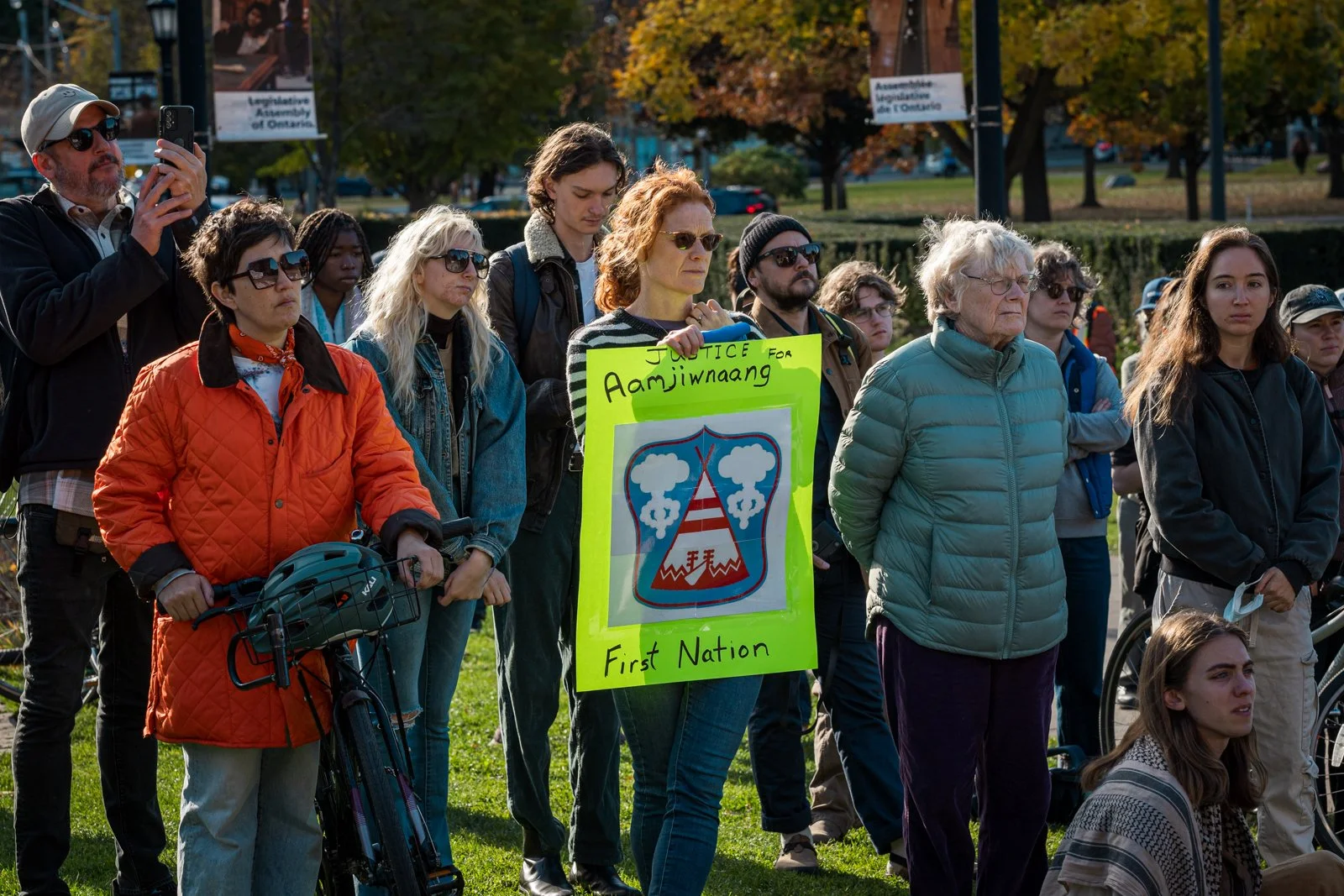
photo: Joshua Best
For decades, families in the community of Aamjiwnaang First Nation near Sarnia, Ontario, have lived beside one of the most concentrated industrial zones in the country: Chemical Valley.
More than 60 petrochemical and refining facilities operate in the region, representing roughly 40 percent of Canada’s chemical industry. For neighbouring communities, the economic footprint of this industry comes with serious concerns about air pollution, toxic exposures, and the impact on their health and the environment. Chemical Valley releases tens of thousands of tonnes of pollutants each year that are linked to respiratory illness, cancer risk, and other long-term health impacts.
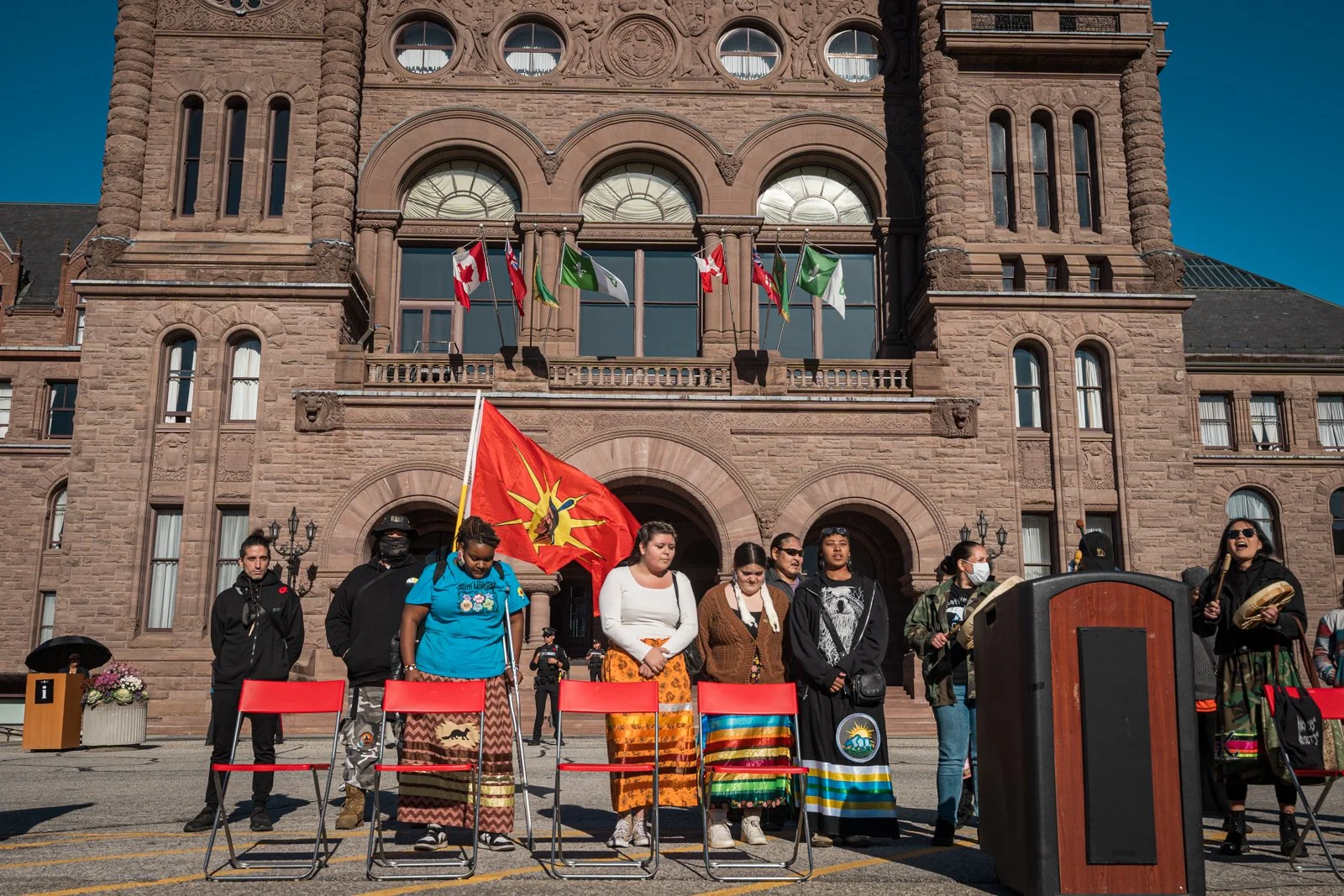
photo: Joshua Best
For years, residents of Aamjiwnaang have raised alarms about the cumulative effects of industrial emissions surrounding their territory. Ecojustice has worked alongside them for over a decade to bring these concerns into the public eye and push for stronger environmental protections.
This work has taken many forms. Ecojustice has supported research on pollution levels in Chemical Valley, helped amplify the voices of community advocates, and pursued legal strategies, including a charter challenge, to hold governments accountable for failing to adequately protect the health and rights of nearby residents.
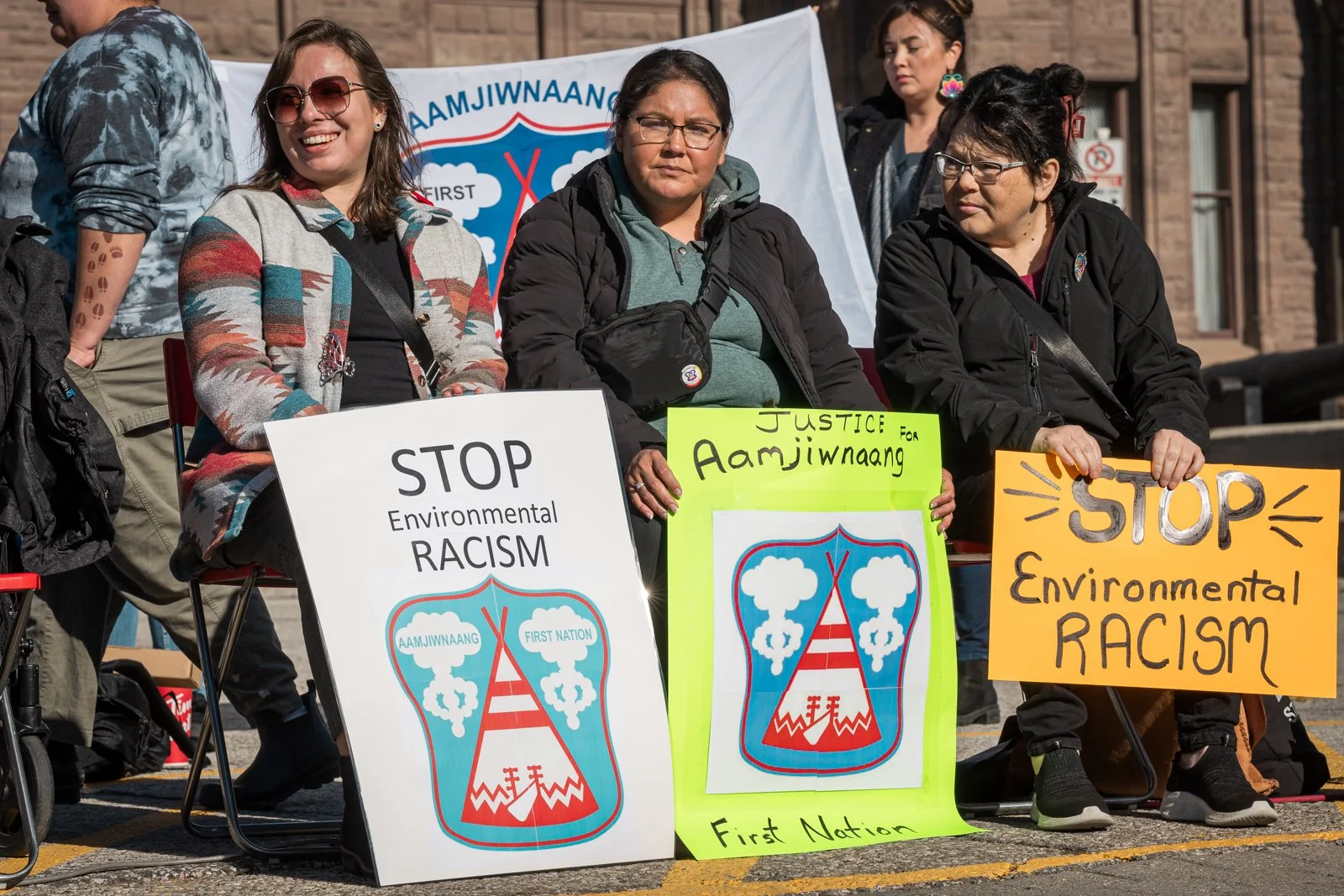
photo: Joshua Best
Community leadership has been at the heart of this effort. Aamjiwnaang advocates have documented pollution incidents, spoken out about the impacts on their families, and called for stronger safeguards to ensure future generations can grow up in a safe and healthy environment.
Environmental justice means that no community should bear a disproportionate burden of pollution. Yet communities like Aamjiwnaang continue to face environmental risks that many others do not.
At Ecojustice, we are committed to ensuring environmental laws are enforced and that everyone in Canada has the right to a healthy environment.
We are deeply grateful to the Sisters of St. Joseph for their support. Their commitment helps make it possible to partner with communities like Aamjiwnaang First Nation and others across the country, strengthening protections, upholding environmental laws and working towards a healthier, more just future.
-Manan Kohli, former Healthy Communities Communication Strategist, Ecojustice.
Header Image: Nikolett Emmert/Unsplash