
Guest Bloggers

UNMASKING (W)HOLINESS

‘Tis the last week of October.  You knew that already, of course.  If nothing else, the much cooler weather here in the northern hemisphere is a giveaway that November is just three days away.  If you are among those who still go shopping, you will most likely have seen innumerable signs of Halloween wherever you go. On my recent walk through the lovely neighbourhood, I noticed goblins and ghosts and ghouls roaming amongst rustling autumn leaves and the last roses of summer.  Whether we believe it or not, 2020 (the year that wasn’t) will make way for 2021 in sixty-four days. 

pumpkin mask.jpg

So, are you getting ready for Halloween? What kind of mask might you be wearing?  Oh, how could I forget – this year masks will not be a big deal at Halloween.  We have already been halloweened, aka masked, for, what, seven months??  Masking to protect ourselves and others from the Coronavirus, that’s what we have been doing and continue to do.  Not with masking tape, but with masks of various designs and colours no one would have imagined prior to this pandemic.  PPE of one kind or another has become part of our normal attire. Masks and gloves ad nauseam.  Cover-ups everywhere. 

What are we hiding behind our fabric masks and in our homes where we hunker down in our bubbles?  Do I still see the beautiful you behind your mask? Do I remember the whole of you, or have we become strangers to each other, isolated from each other?  I long to see you, the wholeness of you, after these long months.  This pandemic has been hard on us in so very many ways, but has it robbed us of our wholeness?  Or have we instead allowed this pandemic to strip us of our familiar normal busy way of being so that our true self, our (w)holiness can shine through more clearly these days?  As luck, or grace, would have it, this morning I came upon this poem by Bob Holmes.
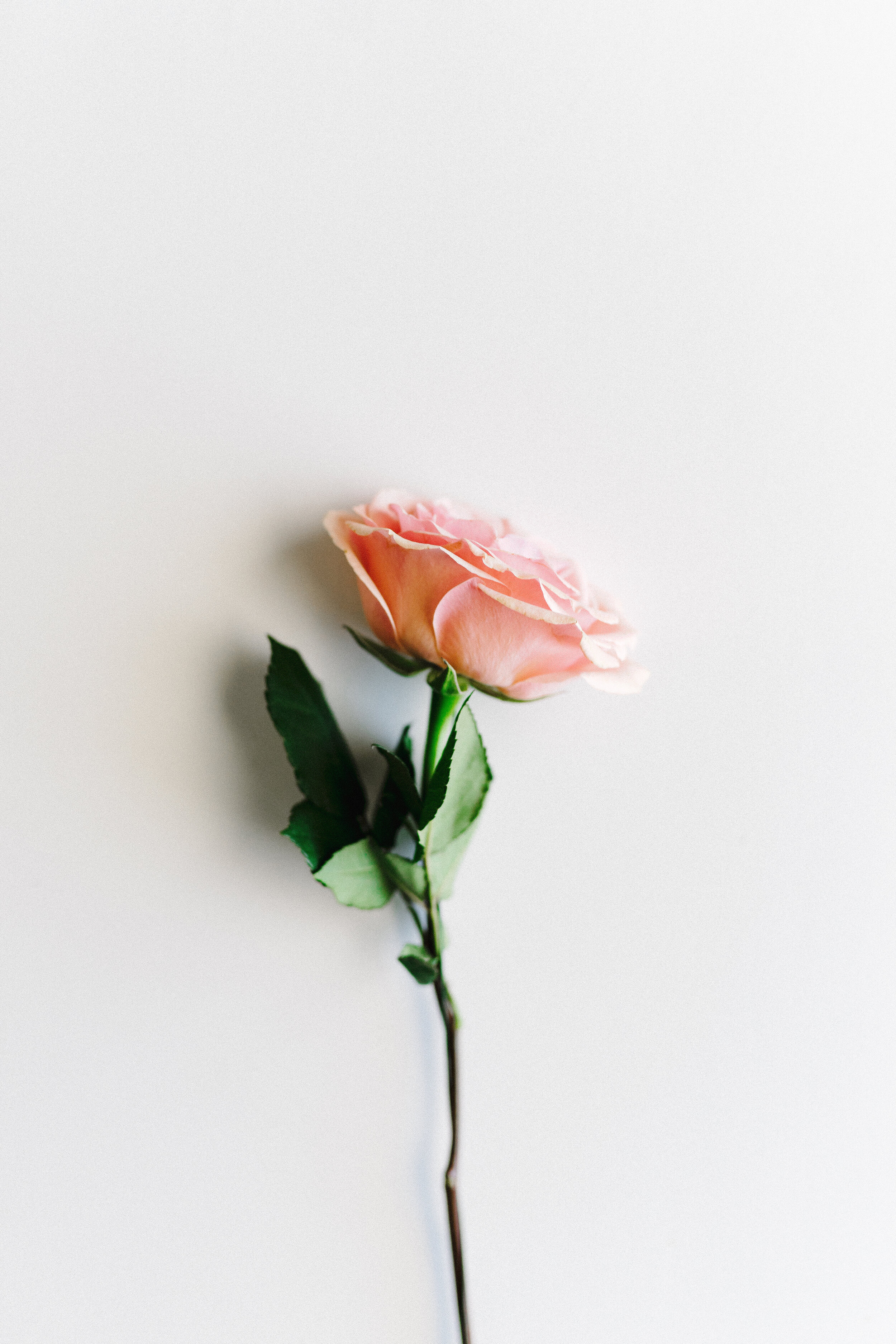
The Rose After The Hurricane

It's alright to be discombobulated.

It's ok to live in the shambles where everything is blown apart.

For those who live lives of firm certainty cannot know transformation.

It's not until we let go that we can refind ourselves at a deeper level.

Until your life has been blown apart

as you stand on the edge of oblivion,

Until our control falls apart into the chaos of unknowing,

Until our ego melts and burns in the cauldrons of life,

Until we have no whisper of hope left within us

as we stand naked and broken,

our molecules on the cusp of being unmade,

We cannot know in every cell of our being

the grace and love of God that transforms us.

I would say these first stanzas speak loudly to our present lives that offer us 20/20 vision to see ourselves and each other more clearly.  Are we paying attention?  Bob Holmes concludes his poem with these lines:  

GRACE.jpg

Being in being

Woven with eternal threads

of burning, living, light

where we become

Something we cannot fathom.

Such is the grace of God

that unmakes us to make us whole.

If you live in the northern hemisphere, why not go out among the trees to witness their beauty, their wholeness shining through in their golden dying leaves and ponder how you might, “become something [you] cannot fathom.” Perhaps then, quite unexpectedly, you might be led to look at yourself in the mirror to gauge how during these months, slowly, and painfully, your (w)holiness is being unmasked.   

What is (w)holiness? Might I suggest (w)holiness = wholeness + holiness.  Yes, of course, we are all painfully aware of being a mix of beauty and brokenness, of love and lies, of holiness and hiddenness.  Thinking about unmasking (w)holiness takes me back to Brenè Brown’s book, The Gifts of Imperfection: Let Go of Who You Think You’re Supposed to Be and Embrace Who You Are in which she, “explores how to cultivate the courage, compassion, and connection to embrace [one’s] imperfections and to recognize that you are enough.” (goodreads.com) Can we reach a point where we stop hiding behind masks and instead choose to embrace our enoughness, our wholeness our (w)holiness? As Bob Holmes concludes his poem, “Such is the grace of God that unmakes us to make us whole.”

- Sister Magdalena Vogt, cps

Lord,

Help us take off our masks,

the ones we wear to hide

from others and ourselves,

the person you made each of us to be …

Unmask us all, Lord,

Help us find the hidden, human beauty,

under costumes, ‘neath our masks,

in everyone around us,

beginning with ourselves

and help us, Lord,

to love each one we find …

-A. Fleming (Excerpt: Morning Prayer, 27 Oct. 2020; A Concord Pastor Comments)

The Jerusalema Dance

Have you heard of the Jerusalema Dance or seen it or even danced it?  It may well be that you are not familiar with this dance that has taken the world by storm.  I would say this dance is yet another perfect example of how small beginnings can evolve into something as widespread as this dance.  It all began late one night in South Africa in August 2019, when the musician and record producer Kgaogelo Moagi, known professionally as Master KG, composed the music.  His sister Nomcebo Zikode added lyrics in Zulu to the upbeat music and before long the song Jerusalema went viral.

African people never just stand and sing. As soon as music is played or songs are sung, they begin to sway and dance.  So, it comes as no surprise that a special dance, the Jerusalema Dance was born.  Not in South Africa, but in Angola a fun type of line dance was created to the music of the song.  Interestingly, it first spread to Portugal and then went viral. More than that, it has turned into an international dance challenge, which Canadians in Montreal and Ottawa joined.  In South Africa, for instance, the Jerusalema dance challenge has provided moments of joy for many during the Covid-19 pandemic. Last month, “President Cyril Ramaphosa endorsed the dance craze, [and called] on people to participate in the challenge to celebrate the country’s Heritage Day.” https://www.independent.co.uk

missionarysistersdancing.jpg

Of all the Jerusalema dance videos I have watched on YouTube I was most impressed by the video the young Kenyan sisters of my Congregation created.  I would like to invite you not only to get a taste of this fun dance but also to see how creatively the sisters showcase some of their ministries.

-Sister Magdalena Vogt, Missionary Sister of the Precious Blood 

 JERUSALEMA (English Translation)

Jerusalem is my home
Guide me
Take me with You
Do not leave me here
Jerusalem is my home
Guide me
Take me with you
Do not leave me here
My place is not here
My kingdom is not here
Guide me
Take me with You
My place is not here
My kingdom is not here
Guide me
Take me with You
Guide me
Guide me
Guide me
Do not leave me here

My Octopus Teacher

My Octopus Teacher: A Must-See Movie

octopus.png

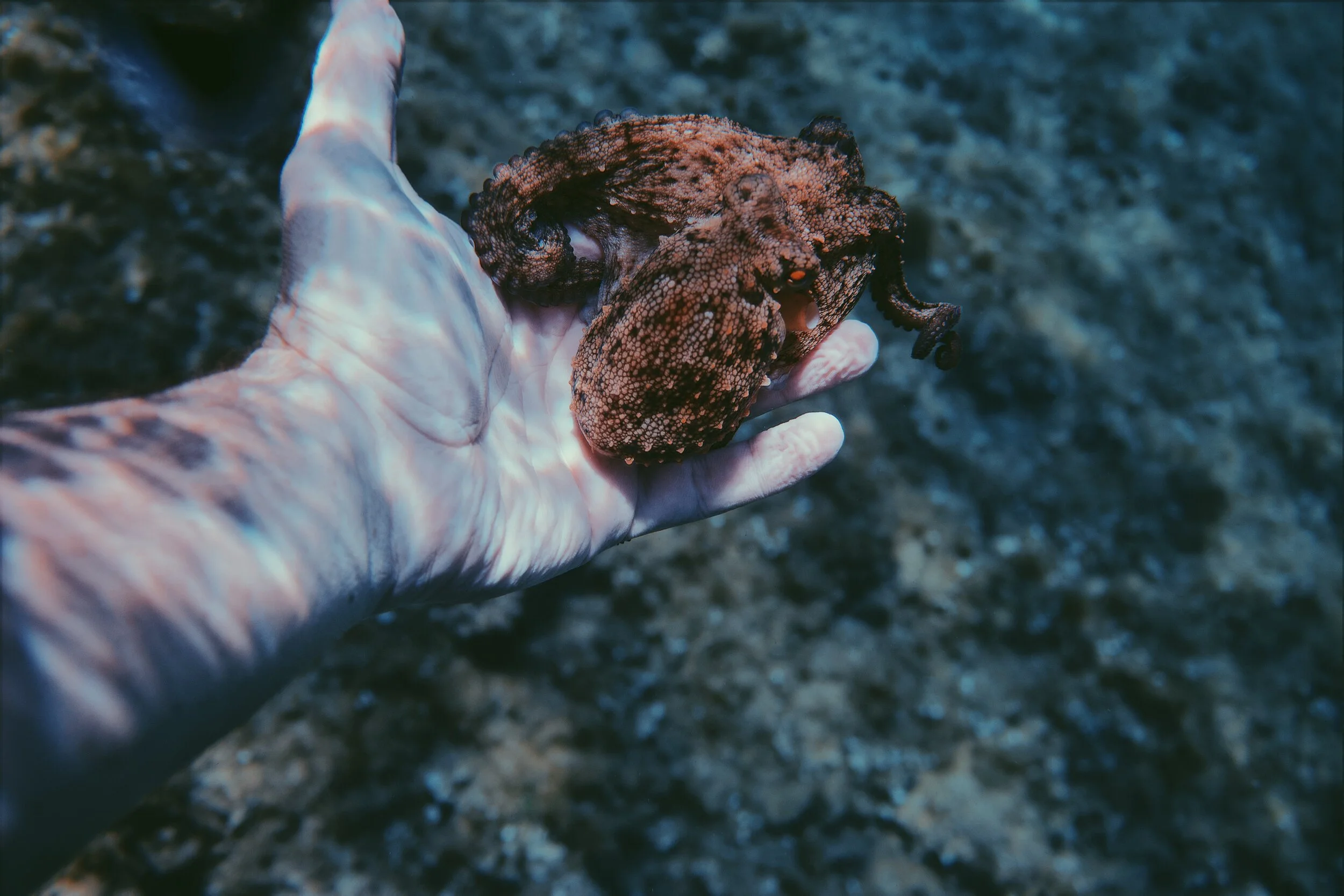
Did you know 8 October was World Octopus Day?  I would be surprised if you tell me you knew.  I mean, who knew there is such a day?  This week I discovered why we celebrate Octopus Day.  Apparently, octopuses are among “the most distinctive creatures on the planet today [and they are] worthy of appreciation for a number of reasons. First, they are one of the earth’s great survivors. Indeed, despite their relatively short lifespan, octopus fossils date back more than 300 million years, meaning that they pre-date even dinosaurs. They are also highly intelligent, with around 500 million neurons located in their brains and arms, allowing them to bypass their instincts, learn lessons, and solve problems.” (daysoftheyear.com) If that weren’t awesome enough, how about this, octopuses are also visually stunning, come in various colours and shapes – and they are the chameleons of the sea.  Not only can these clever creatures change colour in the blink of an eye, but they can also modify their skin texture to mimic rocks, sand, coral heads, or other landscape elements by altering the papillae on their skin to blend in with their environment.

octopus teacher.jpg

You may wonder how I came to know about World Octopus Day.  Last week a friend in South Africa alerted me to the new Netflix documentary My Octopus Teacher which triggered fond memories I have of a fascinating visit Ripley’s Aquarium in Toronto a couple of years ago.  In that gigantic aquarium I was enveloped by 5.7 million litres of marine and freshwater, seemingly sharing the habitat of some of the most exotic critters from across the world. I remember gawking, in awe and wonder, as I meandered through exhibit after exhibit teeming with innumerable exquisite sea and freshwater jewels. I was particularly intrigued by the octopus, the real life relative of Hank, the octopus, in the movie Finding Dory. I learned that day that these startlingly strange boneless creatures have three hearts and a good mind, making them some of the smartest invertebrates.  Though they have no spine, they are far from spineless.

If you watched the movie Finding Dory you may remember Hank, though not your typical octopus since he only has seven arms. Hank, the shapeshifting, curmudgeonly, camouflaging octopus with his strange antics.  Well, let me tell you something, as much fun as Hank may have been, you haven’t seen anything yet until you see the incredible octopus in My Octopus Teacher.  I know I might be biased about this documentary since it was filmed by the South African diver and filmmaker Craig Foster who lives west of Cape Town, at the most southern tip of Africa, where I lived for many years.  

In a nutshell, Wikipedia has this to say about My Octopus Teacher, released last month. “… Foster began in 2010 to free-dive in a cold underwater kelp-forest at the tip of South Africa. He started to film his experiences, and, in time, a curious young octopus captured his attention. By visiting her den and tracking her movements every day for months, he won the animal’s trust. In the film, Foster describes the impact on his life of his relationship with the octopus.” This is the mere bare bone description of this incredibly moving documentary I watched earlier this week.  It has been said, My Octopus Teacher is easily one of the most beautiful films on Netflix right now.” (decider.com) Be that as it may, I found it to be a most beautiful, deeply moving story about the unlikely relationship and bond between a human and a creature from the wild.  One of the comments I came across online says this about Foster’s amazing relationship with the octopus , “No nature documentary you've ever seen will quite prepare you for My Octopus Teacher, a heart-gripping tale of a friendship (one might even call it a romance) between a human and a mollusk.”

“Praise the LORD from the earth,
you great sea creatures and all ocean depths...”
Psalm 148:7

I cannot recommend this documentary highly enough. Watching it will leave a deep impression on your mind and heart, will leave you in awe about the incredible interconnectedness between humans and all creatures. 

-Sister Magdalena Vogt, cps

Goodbye and Good Riddance!

Canada to ban six single-use plastic items next year.

This month, the federal government announced it would be adding plastics to the Toxic Substance List under the Canadian Environmental Protection Act (CEPA). This is a crucial step towards regulations that would reduce plastic production, use and disposal. It’s about time.

plastic2.jpg

Canada to ban six single-use plastic items

Photo credit: Ruth Hartnup/Flickr Creative Commons

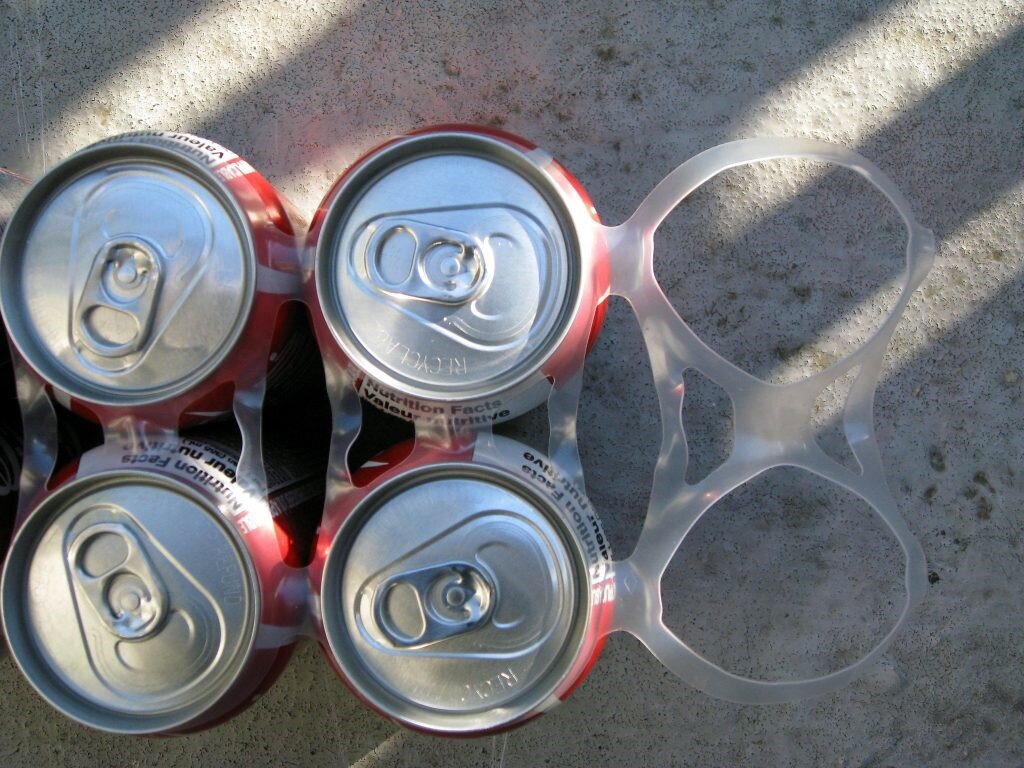
As part of the same announcement, Environment Minister Jonathan Wilkinson released a draft management plan outlining the actions his ministry is considering to eliminate plastic waste. One of those actions is banning some single-use plastic items, specifically: grocery bags, straws, cutlery, six-pack rings, some takeout containers, and stir sticks.

The list itself is a good start. Canada has obviously been taking cues from the European Union (EU), which already moved to ban most of the same items last year. But Canada needs to do much more than ban plastic straws and spoons if it’s serious about a zero plastic waste future.

Much more is needed to tackle the plastic crisis

The truth is that our current, linear economy—where disposable products and packaging are the norm—is unsustainable. Instead, we need to transition to a circular economy, where reduction, reuse, and repair are prioritized and materials stay in the economy and out of landfills, incinerators and the environment.

Unfortunately, notwithstanding the bans, it looks like the government is going all-in on recycling as a silver bullet solution to plastic waste. But the reality is that recycling was a lie sold to us by the same industry committed to filling our cabinets, landfills and oceans with plastic —the petrochemical lobby.

Beyond the fact that many kinds of plastic are impractical or impossible to recycle, there are limits on the number of times plastic can be recycled before the polymers are too degraded and the material needs to be thrown away.

That’s why Canada needs to impose and enforce reduction and reuse targets, in addition to recycling and recycled content targets.

Next steps for Canada to tackle plastic pollution

plastic3.jpg

Between now and December 9, the government is asking Canadians, businesses, and other stakeholders to provide feedback on their proposed management plan. We’ll be at the table, pushing hard for the regulations we need to eliminate plastic waste in Canada, including:

  1. Finalizing the addition of plastics to the Toxic Substance List, under Schedule 1 of the Canadian Environmental Protection Act, 1999 by the end of 2020;

  2. Banning at a minimum the six items proposed in the draft management plan by the end of 2021, and adding additional plastic items to the ban list in future years;

  3. Working with provinces and territories to make the companies that produce plastic products and packaging financially and operationally responsible for plastic waste (Extended Producer Responsibility, EPR), and ensuring harmonization from coast-to-coast-to-coast; and

  4. Establishing and enforcing high reduction, reuse, recycling, and recycled content targets to support Canada’s transition to a circular economy.

The plastic crisis has been growing for decades, and there is no immediate solution. It will take actions from all levels of governments, industry and society to overcome it. But this announcement is a step in the right direction.

- Ashley Wallis, Plastics Program Manager, Environmental Defence

The Sport and Prey of Capitalists

SPORT AND PREY.jpg

The front cover of the 2019 book by the brilliant journalist, Linda McQuaig, captures in six words and one picture the theme of her latest work, an exposé of the blatant betrayals the Canadian people have endured at the hands of their own governments.  The words SPORT and PREY above the dying Canada goose plummeting to earth, its feathers trailing behind it, encapsulate a century of greed, arrogance, and robbery of our nation’s public institutions.

The phrase “the sport and prey of Capitalists” was coined by James P. Whitney, Premier of Ontario in 1905. He was expressing his wish that the Hydro system in Ontario forever remain in the hands of the citizens and not fall victim to privatization.

McQuaig introduces her examination of 20th-century institutions transferred from public to private hands with this story of the scandalous current case of the Canadian Infrastructure Bank promised by Justin Trudeau following his election in 2015.

monopoly man.jpg

The Prime Minister’s team to head up the creation of the bank was led by Bill Morneau, former Canadian finance minister, who chose for his advisors several Wall Street profiteers anxious to lend their millions to a project that would bring them ample returns. Consequently, the plan presented to Parliament for approval was molded to fit the dream of the private investors for significant returns.  The original plan to borrow from “the people’s bank” the Bank of Canada, at a modest rate was replaced by one that suited the greed of a small team of avaricious millionaires from the United States. Thus, Canadian citizens will be required to pay unnecessary millions for their own roads and bridges while a few investors proceed to, as Kevin Page, the first parliamentary budget officer, declared, “rob us blind”. (p.30)

Following this example from our own time and place, McQuaig plunges into the scandalous historical details of some of the worst deals done by prime ministers and premiers against the best interests of the citizenry. The sale of the Connaught Laboratories,  and the privatization of Hwy. 407 are two examples.  

The give-away of Alberta’s oil for the most meager of royalties, combined with the Alberta government’s deference to Big Oil, resulted in massive losses for Alberta’s citizens who owned the resource but were denied the profits.

McQuaig compares successive Alberta governments to the national government of Norway that insisted that the oil in Norway’s territories belonged to the Norwegian people, not the big oil companies. “…Norwegians have managed to save up about one trillion dollars more in their rainy-day fund than Alberta.” (pg. 198)

Thankfully, when the reader has turned the last page of chapter seven, now scandalized and outraged, she or he will find that Linda McQuaig sings the praises of “the common”, which Canadians know, have experienced, and are good at. In most of her examples of Canadians being sold out, the institutions in question were being well run, were self-sustaining, and sometimes made a profit for the people. Once in private hands, it was the share-holders that mattered. The workers and the general public mattered not a whit, as we all witnessed at the closing of Sears Canada on December 18, 2017.

The author's last words are to urge us who care to practice the courage of the Norwegians who realized early on that even if a corporation left because it didn’t like how the government defended its citizens, it couldn’t take the oil with it.

Reviewed by Joan Tinkess

Our guest blogger, Joan Tinkess, is an avid book club participant of nonfiction. Her years of empowering women’s groups in the Dominican Republic broadened her local and worldview.

For a deeper dive, and some interviews with the author