
Requiescet in Pace

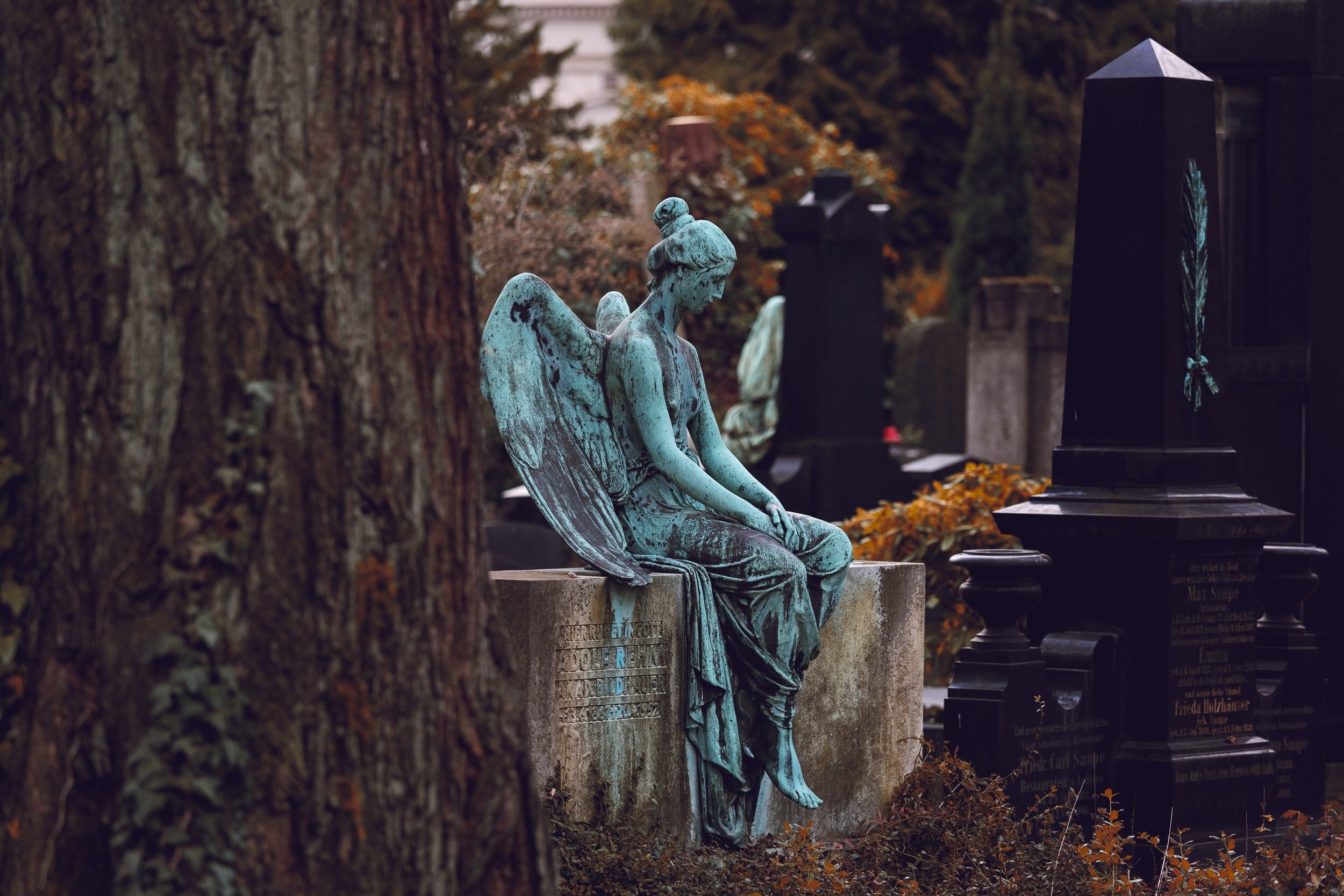
The loss of a loved one is painful and deep. Recently I experienced this, again for the first time, when Ted, Leanne’s husband, phoned.  That he took the time to call me personally, to tell me the circumstances of her passing, was an honour since Leanne comes from a large family which could have taken up all Ted’s time. Leanne and I had a special relationship – I can hear many others who had known Leanne much longer say so did we.  Leanne and I partnered in introducing Christian Meditation into the Hamilton Wentworth Catholic District School Board beginning in 2011.  It was a friendship of like minds and hearts. I used to say to her ‘Leanne, we are tied at the hip’ as we trotted off to school with brown bag lunches and high hope of engaging with the students and teachers. Leanne had just retired after 40 years teaching and was 20 years my junior and she used to say, ‘Sister, you make me feel young’.

For Christians, November is the month dedicated in a special way to remembering our beloved dead.  It is also the month the world honours those who made the ultimate sacrifice for country and freedom.  So I could say that Leanne’s passing was appropriately timed even though she has left a huge crater in the lives and hearts of her family and friends still on this side of the veil. I thought this evening as I prayed my evening prayers (Night Office), now Leanne you know the answer to all those questions we used to ask each other:

what does living your faith look like;

how does prayer work for you;

how do you forgive deeply and authentically unforgivable hurts?

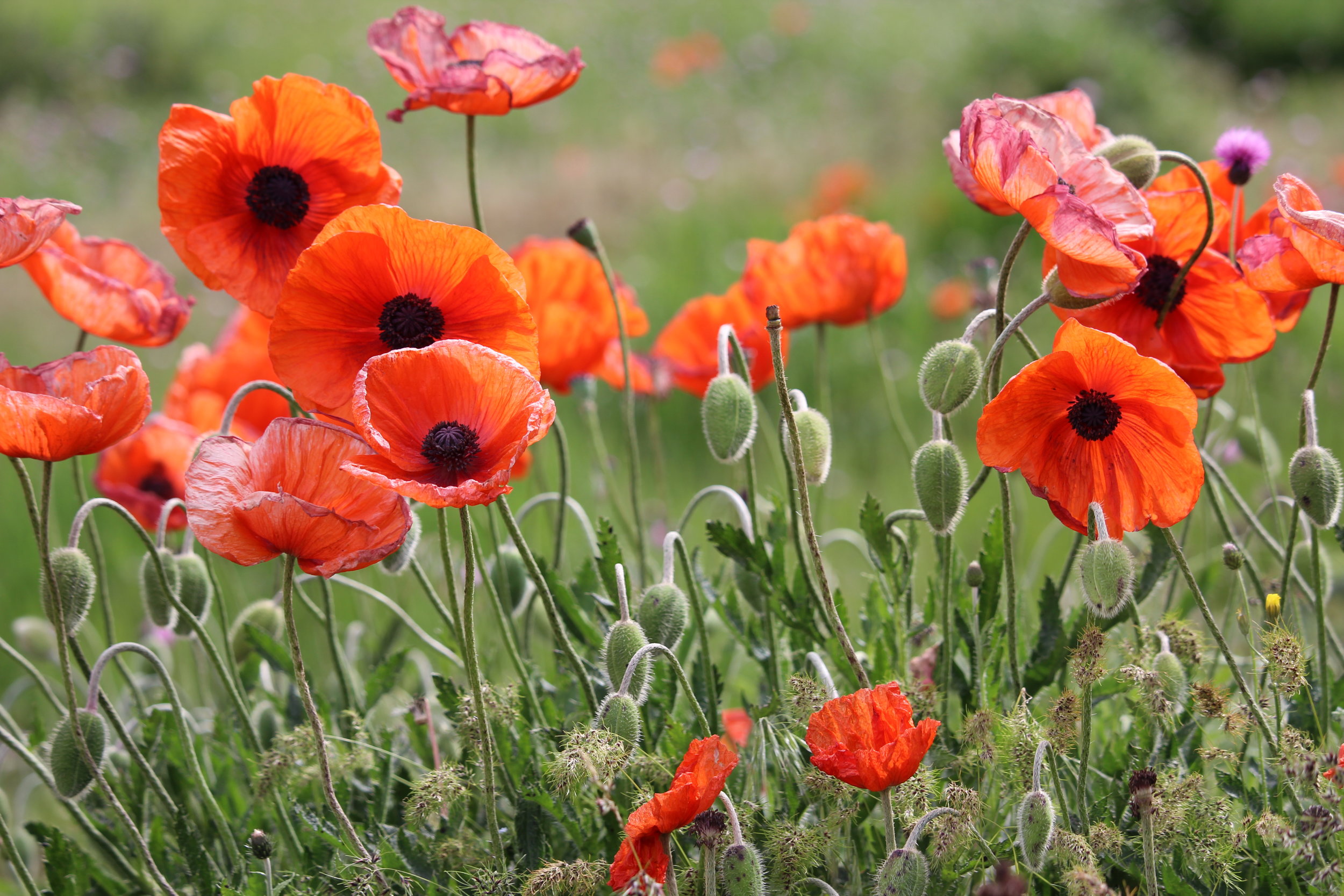
floral image.jpg

Rest in peace my friend

- Sister Ann, csj.

Memories of World War II

war 2.png

Since I was born in 1944, a year before the end of World War II, I experienced little of the effects of those historic six years. My mother gave birth to five babies during that time and my father, who worked the family farm, was considered an essential worker in the war effort and remained home to till the land.  Furthermore, none of my uncles served overseas. 

I knew that most soldiers were young, single, able-bodied, healthy men who were shipped across the ocean to fight in a war about which little was known. To increase my own store of knowledge on life on the home front during the arduous years of 1939-1945, I turned to the recollections of our Sisters living here in London.

I often heard Sr. Mary Eunice speak of the unique time she had dancing with the soldiers preparing to be shipped overseas to fight.  On Fridays at 3:00 pm, a bus arrived at the prominent London Life Insurance building which employed many young women.  A group of them boarded the bus that would take them on a two- hour trip to RCAF Station Trenton (now CFB Trenton) training base, located within the city of Quinten West.  What followed was dinner with the soldiers and evenings of fun, dancing, and socializing with young single men who missed home and the girls they left behind.  This excursion continued for several years with great success.

war3.png

Sister Lucy recalls vividly her mother knitting socks for the soldiers while caring for her eleven children.  Lucy and her classmates at their little Josephsburg country school collected and filled huge onion sacks of milkweed pods for the war effort. The buoyancy of the milkweed floss was used as raw material for life preservers needed for its airmen and sailors.

In a similar vein, silk was in short supply during the war years. Therefore, many an innovative bride wore a gown made of silk parachute material (see video, right) that the soldiers brought home from overseas. There were other inconveniences in daily life, including a scarcity of much-needed items. Food rations and tickets for sugar began in January 1942 followed by coffee, tea, and butter by the end of the year.

Sr. Rose’s only recollection of the war was as a 6-year-old riding the train with her mother.  A young soldier gave her a dime.  She was rich!  No doubt, she reminded him of little sisters he had left at home.  Her own eight brothers were too young to sign up for the war.

It takes Remembrance Day to visit dimmed memories of difficult days buried in aging minds.

As I chatted with various Sisters, I could see their eyes grow bright and spirits animated as my questions stoked memories of over 70 years ago.  It takes Remembrance Day to visit dimmed memories of difficult days buried in aging minds. Sr. Joan was full of vivid recollections that came tumbling to the surface as she recalled St. Mary’s Elementary School on the outskirts of Brantford.  It was smack in the middle of a huge army camp - “Army Camp 29”.  She grew up surrounded by young, gun-carrying soldiers marching the two-mile route down the street, past St. Mary’s on Colborne Street, and into the neighbourhood in all kinds of weather.  By age ten, Joan was marching home from school with them: left, right, left, right down the street.  Sometimes, they even let her carry a gun.

Being United States citizens at the time, Sr. Kateri’s brother entered the war in 1942 after Pearl Harbour was bombed on Dec. 1941.  After enlisting, he trained in the signal corps and was sent overseas with SHEAF. Sister remembers her mother’s anxiety, always fearing that the mailman would arrive with dreaded news.  Fortunately, the war ended, and her son arrived home safely in the late fall of 1945. 

Today, in 2020 we mark another November 11th, another Remembrance Day.  The world teeters on the brink of disaster at every turn.  It is time to look back in praise of so many who sacrificed so much to make us free.  Let us pray that somehow peace will prevail in our country and in our fractured world.

-Sister Jean Moylan, csj

CSJ Blue Community News

Blue-Community-Federation-Circle - transparent.png

UPDATE

Our Blue Community Coordinator Paul Baines collects and shares a list of current news and invites that inform and animate our Blue Community pledge to protect water as a human right, shared commons, and sacred gift.

In this update, you can learn more about the Waterdocs Film Festival, a new effort to transfer Nestlés’ water operations to Indigenous and settler communities, new rules and old myths about plastics and recycling, and COVID and the human right to water.

WATERDOCS FILM FESTIVAL

From November 4 – 8, this annual water documentary festival is now available to everyone. Normally it is an in-person event only in Toronto, but because of COVID anyone can access these great documentaries. The CSJ Blue Community project is a sponsor and has VIP access. You can see the full program here and it’s also added to this email as an attachment for easy viewing and printing (if needed).

nestles trouble.png

ASK NESTLÉ TO DIVEST ITS ASSETS

The collective efforts to phase out the bottled water industry in Ontario is getting bolder. We successfully won yet another 6-month extension to the 4-year ban on new bottled water permits. We helped influence a new permit policy framework that is still in development but it already signals that communities will be able to veto new bottled water wells.

Now there is a North American campaign asking Nestlé to give back some of its assets to the local communities who are struggling with current and future water security. A few months ago Nestlé was trying to sell its Canadian water operations to Ice River Springs. That sale was denied by the regulators and now water justice activists are asking “if you want to divest from Canada, give communities back their water commons”.  

ban bottle.png

You can read about and sign onto the North American campaign here and the Wellington Water Watchers have already signaled that the Aberfoyle Nestlé bottling plant and well should be given to Six Nations of the Grand River with the Hillsborough well going to Centre Wellington County and the Middlebrook well going to Elora. Much more work is being done on this campaign since these are BIG shifts in the struggle for water justice. As the campaign develops your CSJ Blue Community project will keep you up to date.

THE MYTH, THE BAN, AND THE NEW RULES: PLASTICS

Plastics are again in the news with the Federal government announcing its plans to ban various kinds of ‘single-use’ plastic. The initial promises seem very progressive.

 Announcing plans to reach zero plastic waste by 2030, the federal government's website noted that "every year, Canadians throw away 3 million tonnes of plastic waste, only 9% of which is recycled, meaning the vast majority of plastics end up in landfills." (from the CBC)

Items included in the ban (source):

  • Checkout bags

  • Stir sticks

  • Beverage six-pack rings

  • Cutlery

  • Straws

  • Food packaging made from plastics that are difficult to recycle

 Items not included in the ban:

  • Garbage bags

  • Milk bags

  • Snack food wrappers

  • Disposable personal care items and their packaging

  • Beverage containers and lids

  • Contact lenses and packaging

  • Cigarette filters

  • Items used in medical facilities

  • Personal protective equipment

Canadians spend 2.5 billion dollars every year on bottled water. Almost all of this comes in single-use plastic bottles. That’s a lot of bottles with only about 20% of these bottles downcycled.

There is no such thing as plastic recycling. This myth was created by the plastics and fossil fuel industries 30 years ago because society was starting to question the rise of plastics and their negative impacts. Downcycling is the process of recycling a material 1, 2, or 3 times with each phase degrading the material so that it can only be landfilled.

Read and listen to this CBC interview with an investigative journalist about the industrial myth of plastic recycling and how we are still struggling with this pervasive and persuasive substance.

have your say.jpg

ACTION: add your name and voice to this petition to include single-use plastic water bottles in the Canada plastics ban.

COVID AND THE HUMAN RIGHT TO WATER

The World Council of Churches’ Ecumenical Water Network moderated a conversation on the human right to water in times of COVID-19 with Bishop Arnold Temple (chairperson of the WCC-EWN) and Dr. Maude Barlow (co-founder of the Blue Planet Project). You can listen to the 27 minute recording here.

On a related note, our Blue Community project has started collaborating with WaterAid Canada about the human right to water and sanitation.  You can read one of their bulletins here. From that same source they write:

As COVID-19 has devastating impacts on people’s health, education and livelihoods across the globe, hand washing has been recognized as a first line of defense in public health. At WaterAid, our experience of promoting hand washing with soap and water as part of our WASH (water, sanitation and hygiene) and behavior change programs has enabled us to respond quickly to COVID-19, scaling up our existing hygiene work through government-led mechanisms, focusing mainly on hygiene behavior change.

Some statistics:

  • 40% of people worldwide don’t have access to soap and water to wash their hands.

  • Three billion people worldwide have nowhere to wash their hands with soap and clean water at home.

  • 1 in 4 health centers lack these basic hand washing facilities on site.

  • 2 in 5 schools globally do not have soap and water available to students – that’s 800 million children who lack soap and water at their school.


STAY CONNECTED

You can always see the latest updates on our website: www.bluecommunityCSJ.org


Talk the Walk

We often hear the expression “Walk the talk” to denote a person who is authentic in living out his/her values that are professed verbally.

But when there is an invitation to “TALK THE WALK” it has a slightly different twist: it assumes that the person has already or is engaged in the walk that is professed.  For example: Recall a time when you have experienced a situation in which you have been unexpectedly called upon to speak or act out of personal truth and conviction,.  What was that like for you?

Indigenous-Rights-450px-300x200.jpg

This Talking the Walk is done in the Kairos Teaching and Sharing Circles that have recently been birthed to educate mainly Non-Indigenous peoples, although not exclusively, about the history and culture of the Indigenous peoples of Canada.  The TALK is given by an Indigenous person, who has and continues to WALK in the steps of the ancestors.  These Talking and Sharing Circles have become another forum along with the Kairos Blanket Exercise, for the true history of the relationship between Indigenous and Non-Indigenous peoples of Canada to be told from the Indigenous perspective and provide an opportunity for ALL people in Canada to become more knowledgeable to “Walk the Talk”.

We, as a nation have just embarked on implementing the Truth and Reconciliation Commission’s report that came out in 2015.  We have an opportunity to SPEAK OUT, to move towards reconciliation.  https://secure.kairoscanada.org/civicrm/mailing/view?reset=1&id=800

In our own personal lives, what might it mean to “Talk the Walk”, to “Walk the Talk”?  

- Submitted by Kathleen Lichti, CSJ