
Grow Through What You Go Through

growthrough.jpg

Easier said than done. Yet, day in, and day out, all of us are gifted with incredible opportunities to grow.  If we dare embrace whatever life presents - even during a difficult pandemic - we will grow through what we go through. If we have the courage, the patience and perseverance, as well as openness to the much-needed grace, we can and will grow through what we go through.  It may not happen in leaps and bounds, but happen it will, even during this pandemic, though we may not recognize the growth instantly but only in hindsight. 

All of us are familiar with sayings such as, “This will either make or break you” or “Bloom where you are planted.” When we find ourselves in difficult situations, such admonitions may be helpful or put our backs up.  While pondering about growth during difficult times, I wondered about creating a sacred space within ourselves where we can discern and choose how to grow through what we are going through during this pandemic instead of letting it break us.  What might this look like if we keep in mind, that we are chosen and appointed “to go and bear fruit, fruit that will last?” (John 15:16)

bloom.png

Hmmm, bloom and bear fruit. That sounds like a tall order, even at the best of times, let alone during this pandemic.  For many of us it may seem highly unlikely that this pandemic would be conducive to growing. If we stay with adages for a moment, such as “The grass is always greener on the other side” might that be true because there is more manure on the other side? If that be the case, we who have been well entrenched ‘on the other side of normal’, should then all be greening, sprouting, and growing as there is plentiful manure on this pandemic side of normal. However, that is not necessarily true, right?

We all know and have experienced, that there is a huge difference between head and heart knowledge.  My mind may take in such words as “This will either make or break you” but what will my heart believe?  During a time like this pandemic, all that might stick in my head might be, “This will break you.”  Yes, like a seed, life breaks us open. Might our hearts be willing to believe though, that difficulties can ‘make us’ and that we can grow? We may all have modest beginnings but through life’s difficulties we can in fact grow into “God’s masterpiece.” (Ephesians 2:10) Just as great oaks from little acorns grow with sufficient sun, rain, and the ‘manure’ of stormy weather, we, too, can grow when we learn to embrace the storms of our lives when we view them with new eyes. Though blasts from our past may aggravate our present pandemic situation, with grace we can weather whatever this pandemic holds for each one of us, even if we’d prefer to avoid these tough situations.

...find God in all things

Like our Jesuit brothers, when we have the courage to put aside our preconceived ideas and gain a new perspective, even during these challenging times, surprisingly we just might learn to “find God in all things.” Who knows, out of our difficulties miracles just may sprout. If we dare let go of our illusions, which tend to lead to disillusions, we will gain wisdom, that fertile soil needed to grow through what we are going through. When we no longer cling to our delusions of what life should look like, particularly during this pandemic, no longer holding onto unrealistic expectations, we might surprise ourselves by growing through what we go through.  When we not only face but embrace our reality, even if this pandemic breaks our hearts open evermore, they will surely also be enlarged.

bee.png

Since I am finishing this reflection on Earth Day, I recall a recent conversation I enjoyed with a wise sage of a woman about pollinators.  What was unusual and fascinating about our conversation, was that she was not telling me about pollinators such as the amazing bees.  No, she spoke eloquently about people being pollinators.  In nature, “Pollination ensures that a plant will produce full-bodied fruit and a full set of viable seeds.” (www.pollinators.org) In the context of this reflection, however, I am pondering the concept of people being pollinators for others. Who are these pollinators, I ask myself, who help me till the inner soil so I can grow, bloom, and “produce full-bodied fruit” in my life and in turn help others seek “greening” in their lives?  In conclusion, then, I would like to invite you to ponder who the pollinators are in your life, particularly during this pandemic. Who is helping you not only to grow through what you daily go through but to bear fruit in great abundance?  On the flip side, for whom are you a caring pollinator?

-Sister Magdalena Vogt, cps

World Day of Prayer for Vocations

BE BEARERS OF A PROMISE:
A REFLECTION FOR THE WORLD DAY OF PRAYER FOR VOCATIONS, 2021

VOCATIONS prayer.png

In these troubled days in our world, as we face the prolonged Covid crisis and all of its consequences, and as we experience social unrest globally, many of us long for a message of hope and promise. In his address for the 2021 World Day of Prayer for Vocations (April 25), Pope Francis reminds us that it is not simply a matter of waiting for these gifts of hope and promise to come to us but that we are all called to be the “bearers of promise” – God’s promise.

How? We are to listen for and search out God’s dream for our life and like the Apostles, Simon, and Andrew in Scripture (MK. 1: 16-20)  to follow it without hesitation.  More widely, in the gift of creation, we observe God’s design in the glorious diversity and unity of the Universe and as part of that design, we each have a vital part to play. It is to discover and embrace our particular call from God, for God, with God. As Pope Francis puts it, “We are called to be bold and decisive in seeking God’s plan for our lives”, and in turn to share that in our giftedness in the world. God does have a plan for each of us.

God has created me to do Him some definite service; God has committed some work to me which he has not committed to another. I have my mission … I have a part in a great work.
— St. John Henry Newman

As St. John Henry Newman said: “God has created me to do Him some definite service; God has committed some work to me which he has not committed to another. I have my mission … I have a part in a great work.” Each of us, no matter who we are, in our personal vocation (marriage, partnership, committed single life, consecrated life, diocesan priesthood), and whatever our particular gifts and vulnerabilities each have a part to play in a great work. Our own context matters – especially now, we change the world where our feet are and we do that by embracing and living fully our own call.

To embrace our vocation, Pope Francis says, is first to welcome an encounter with God. Francis reminds us, God’s call “is not an intrusion of God in our freedom; it is not a ‘cage’ or a burden to be borne. On the contrary, it is the loving initiative whereby God encounters us and invites us to be part of a great undertaking.” From that encounter with God, an encounter of joy and discovery, not unlike an encounter “with the person we wanted to marry or when we first felt the attraction of life of consecration”, we experience the exhilaration that is the source of our encounter with and commitment to the other in love.

unsplash-image-1xwVMnEiyKY.jpg

So we pray, on this 2021 World Day of Prayer for Vocations, to listen and discover our call, to hear its resonance anew in each day of our lives, to affirm and accompany one another as each of us contributes to the great work of God in our world today and as each of us finds the courage to risk becoming “bearers of promise” in these days so hungry for hope. 

Sister Mary Rowell, CSJ
President | National Association of Vocation and Formation Directors

Critical Environmental Issues in Canada

The Saturday, April 3rd edition of The Globe and Mail contains three articles that should concern us all and call our government to account.

WILD SALMON.jpeg

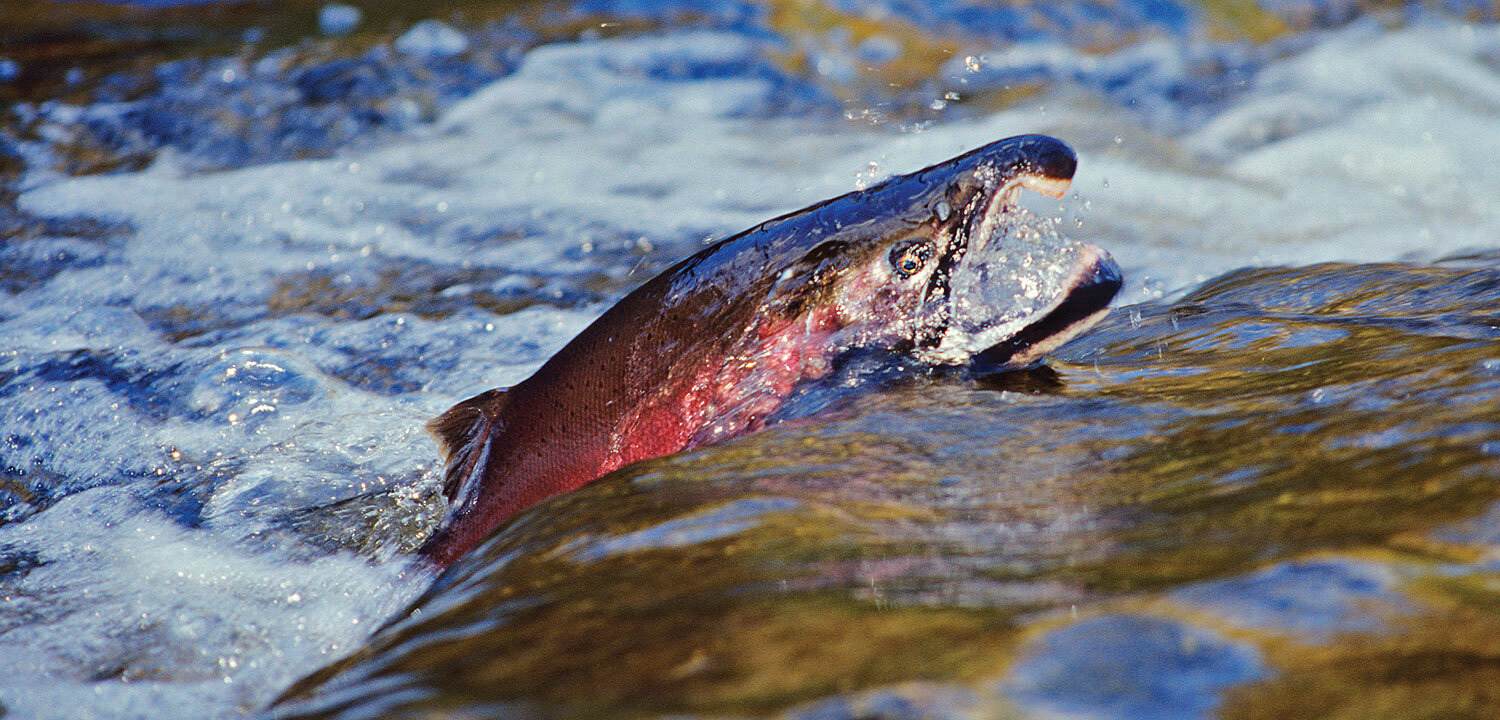
“Troubled Waters” by Alexandra Morton describes the disastrous decline of wild salmon populations on Canada’s west coast. The article states: “Salmon farming in Canada was born on the wrong side of the law more than 30 years ago, and it has continued to bend the spirit and intention of Canadian fishery laws, no matter the successful legal challenges to its practices or the science measuring the harm it causes to wild fish.”  Morton cites instances of senior bureaucrats playing down and suppressing science reports on the impact of salmon farms on wild salmon. The Department of Fisheries and Oceans (DFO) refused to acknowledge evidence of their own and other scientists about a decimating virus traced to Norway that caused heart damage and the rupture of red blood cells of chinook salmon. Only 5% of the late-run Fraser River sockeye salmon lived to return to the river in 2020. Morton decries the government’s act of hiding evidence of an epidemic that could wipe out the last of the salmon in the Fraser River, the largest salmon river in the world. The renowned biologist issues a warning: This is a moment after which B.C. will never be the same.  Many wild salmon populations can no longer decline; if this abuse continues, they can only vanish.”

unsplash-image-FdKDKLoSa0M.jpg

In this same issue of The Globe and Mail, Delta in danger: Time is running out for Vancouver’s ecological wonderland” is equally troubling. Margaret Munroe, a Vancouver-based journalist describes abuses of journalists and wildlife photographers, and human traffic that has battered the Fraser estuary, one of the richest and dynamic ecosystems on earth.  In the past 200 years, the landscape has been transformed “Grizzlies and elk are long gone, and less than 30 percent of the wild habitat remains.”  The floodplain has been drained and diked to allow for farms and the sprawl of Metro Vancouver.  The Port of Vancouver’s plan for a 3.5 billion dollar expansion of a shipping terminal and a ship-to-ship LNG marine refueling service, and the continued development and encroachment of the estuary threaten the wetlands on which chinook salmon depend and the killer whales that, in turn, rely on the salmon.   A recent UBC study concludes that there is an urgent need for action to protect and restore the estuary in which two-thirds of the 102 species have less than a 50% chance of survival over the next 25 years.     

unsplash-image-19SC2oaVZW0.jpg

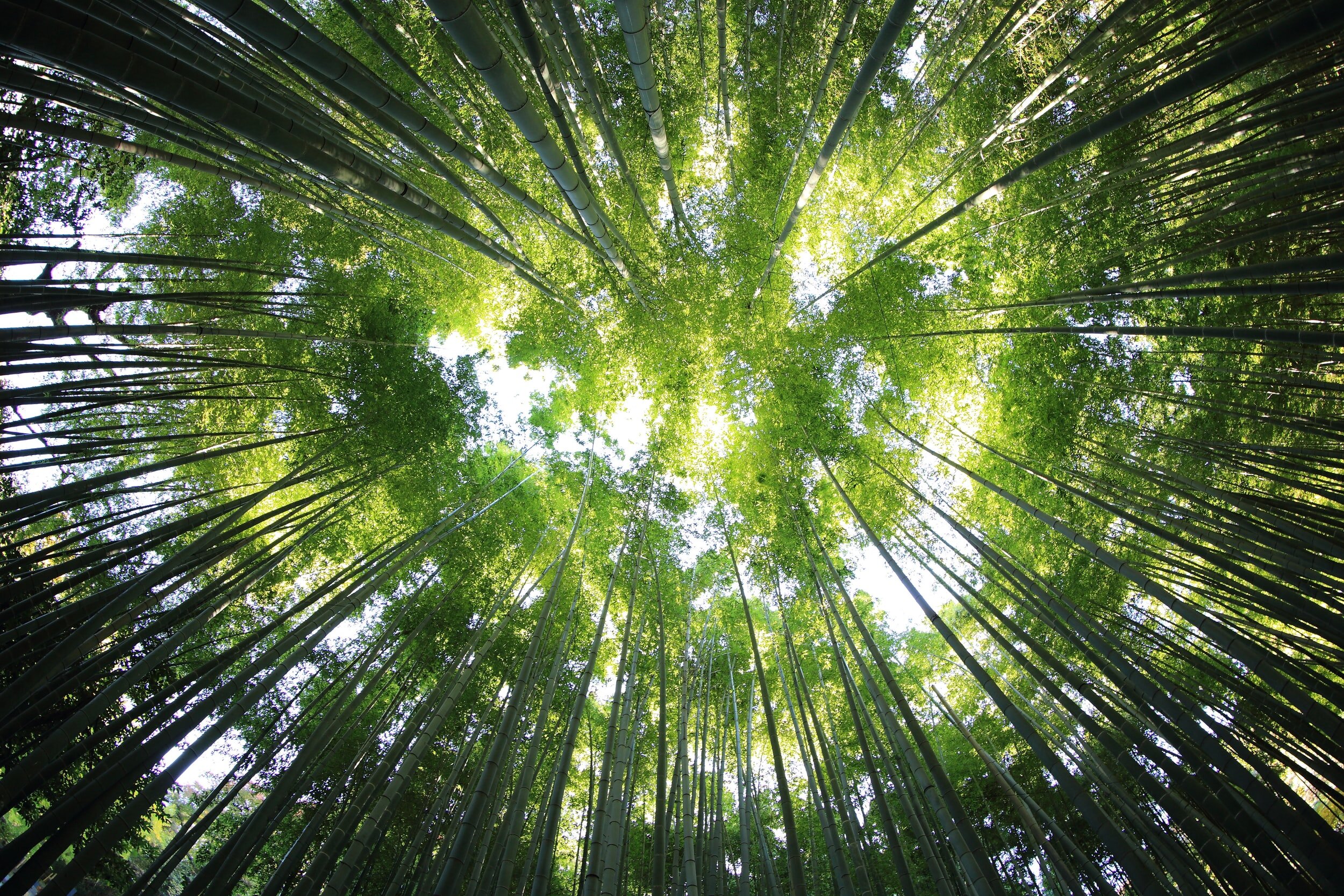
Finally, the third article by two-time Olympian, Scott Niedermayer, “Old-growth forests are an invaluable resource we can’t afford to lose” evokes sadness. These once vast forests which have been growing from the middle ages have been mostly lost. Less than 3% of the province’s forested land is made up of big tree, old-growth forests, an area of only about 400,000 hectares. Many species of animals are endangered. The role of the forests in storing carbon dioxide and mitigating climate change is critical. Unless these old-growth forests are no longer logged, they will be gone forever from earth, our common home.

We need a government that exercises its responsibility to the world in placing the protection of our environment above economic self-interests.  We also need each of us to demand that our government fulfill its responsibility.      

-Sister Pat McKeon, csj