On May 25, 1961, President John F. Kennedy shared his bold vision of landing a man on the moon. Eight years later, Neil Armstrong set foot on the lunar surface. This astonishing achievement, immortalized by his words, “This is one small step for man, one giant leap for mankind,” prove what vision and sustained commitment can accomplish.
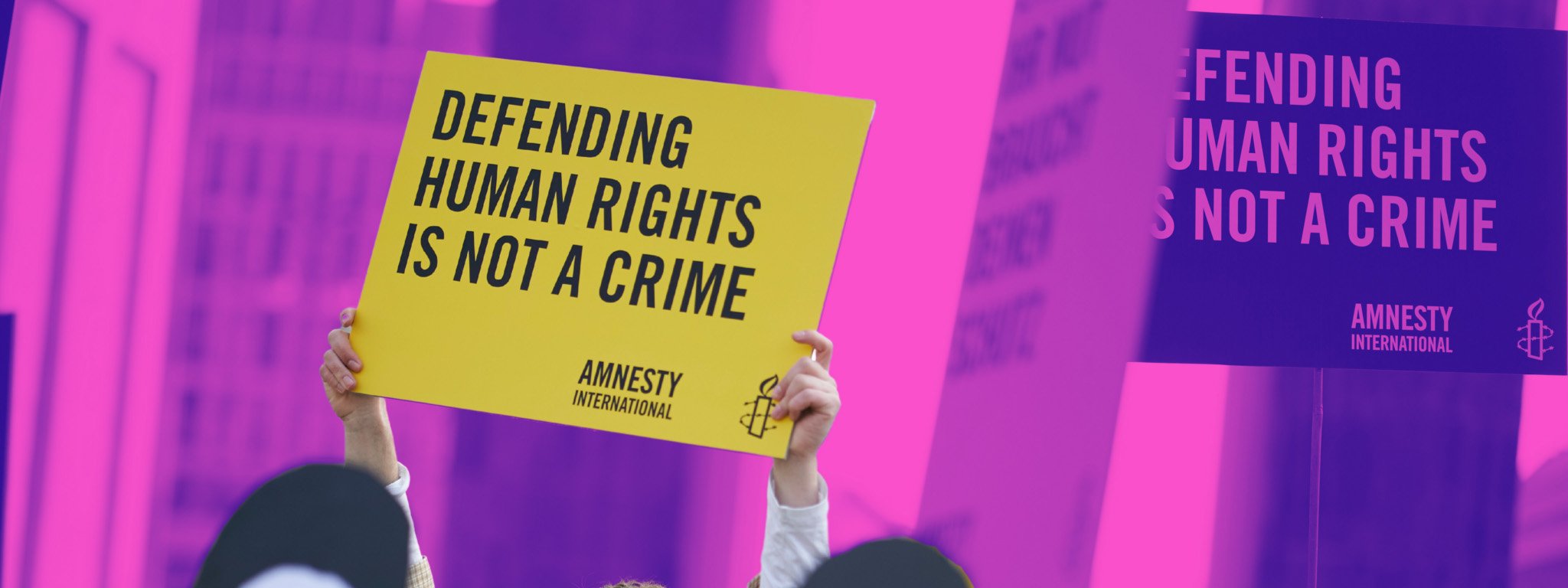
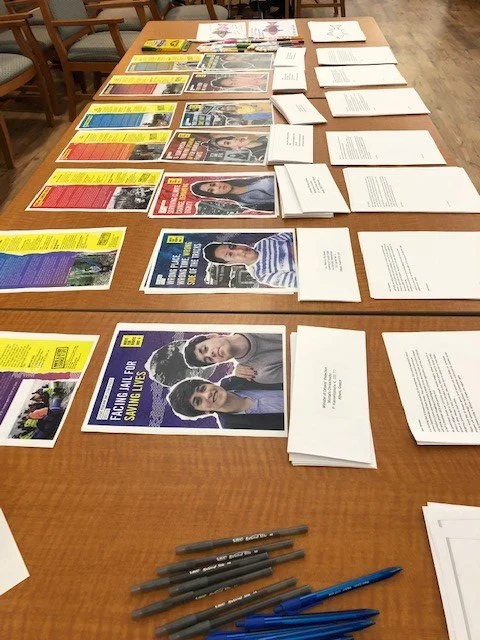
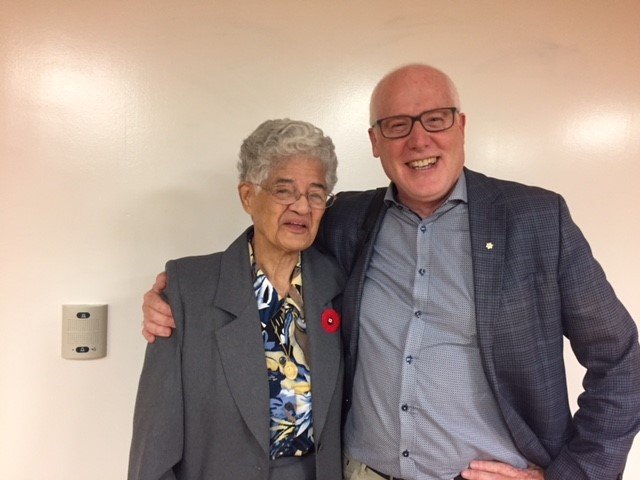
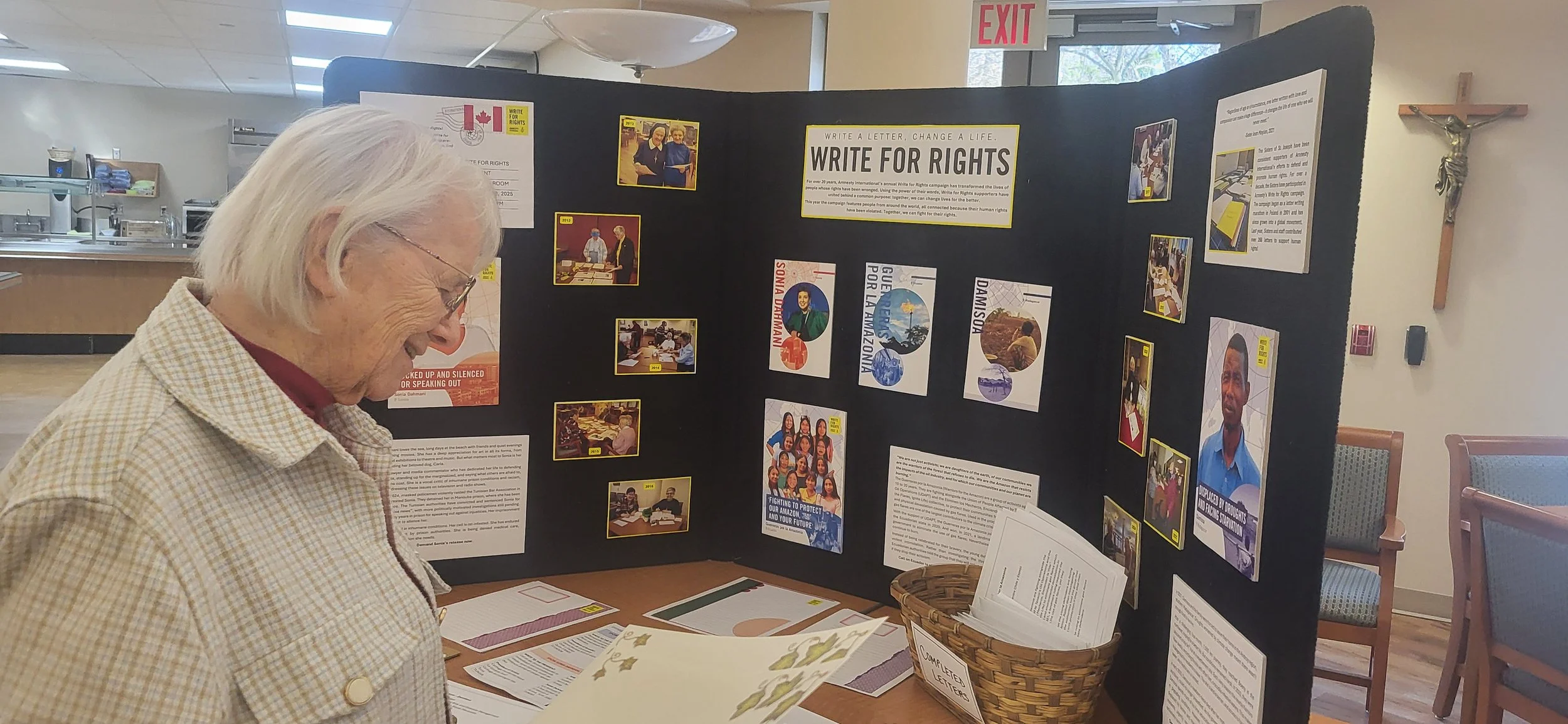
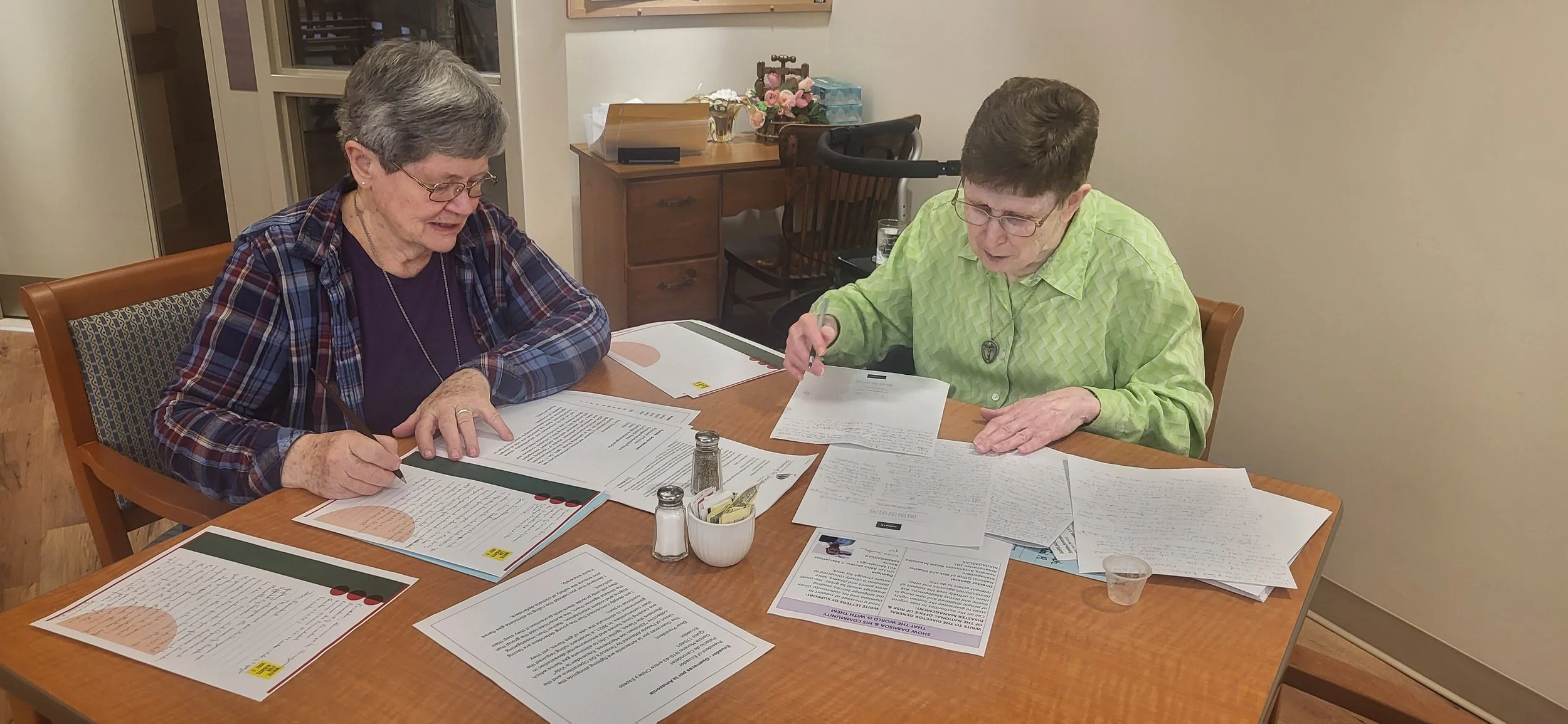
May 28 is Amnesty International's 65th anniversary. Like the moon mission, our movement has reached goals that once seemed unattainable. The Sisters of St. Joseph— through letters written, petitions signed, and generous financial support- have helped make this possible. (Pictured below, Sisters over the years participating in various Amnesty initiatives).




Here are some results of that unwavering commitment over the decades:
1962 — Amnesty sent a lawyer to observe Nelson Mandela's trial in South Africa. Mandela later wrote that his presence "was a source of tremendous inspiration and encouragement to us."
1970s — Amnesty secured access to Chile under Pinochet to investigate human rights violations and published a list of 2,665 people who had "disappeared" in Argentina, helping families demand accountability. For this work, Amnesty was awarded the Nobel Peace Prize in 1977.
1977 — When Amnesty began campaigning against the death penalty, only 16 countries had abolished it. Today, more than half the world — 113 countries — has done so.
1990s — Amnesty drew global attention to the plight of 300,000 child soldiers, helping launch the Coalition to Stop the Use of Child Soldiers.
2002 — Decades of pressure from Amnesty supporters helped bring about the creation of the International Criminal Court to prosecute those responsible for crimes against humanity, genocide, and war crimes.
2014 — The global Arms Trade Treaty came into force after sustained advocacy by Amnesty and others— a landmark step toward stemming the flow of weapons that fuel conflict and human rights abuses worldwide.
2016 — Albert Woodfox was released from a Louisiana prison after a U.S. record-breaking 43 years and 10 months in solitary confinement. "I can't emphasize enough how important getting letters from people around the world is," he said. "It gave me strength."
2018 — Teodora del Carmen Vasquez was freed in El Salvador after serving a decade of a 30-year sentence for suffering a stillbirth. Amnesty supporters had campaigned for her since 2015.
2021 — Amnesty's Security Lab exposed the widespread use of Pegasus spyware against journalists, activists, and human rights defenders globally, triggering government inquiries and bans in multiple countries.
2025 — Former Philippine President Rodrigo Duterte was arrested and transferred to the International Criminal Court to face charges of crimes against humanity. In their written charges against Duterte, ICC prosecutors cited Amnesty International reports more than 60 times.

©International Criminal Court/Handout/Anadolu via Getty Images
Over the past 65 years, tens of millions of letters have reached people in cells, in exile, and in fear — reminding them they are not forgotten or alone. You are among those who wrote these letters.
No one knows what the next 65 years will bring. But the last 65 have shown that as long as people keep standing up for rights and accountability, the world will keep moving — however haltingly — toward justice for everyone.
-Amnesty International Canada