
earth

World Oceans Day 2026

World Oceans Day is observed every year on June 8 to raise awareness about the importance of the ocean and the need to protect it. First proposed at the 1992 Earth Summit in Rio de Janeiro by Canada’s International Centre for Ocean Development and the Ocean Institute of Canada, the day was officially recognized by the United Nations in 2008. It encourages people everywhere to support ocean health, sustainable resource use, and global efforts tied to the Sustainable Development Goals.
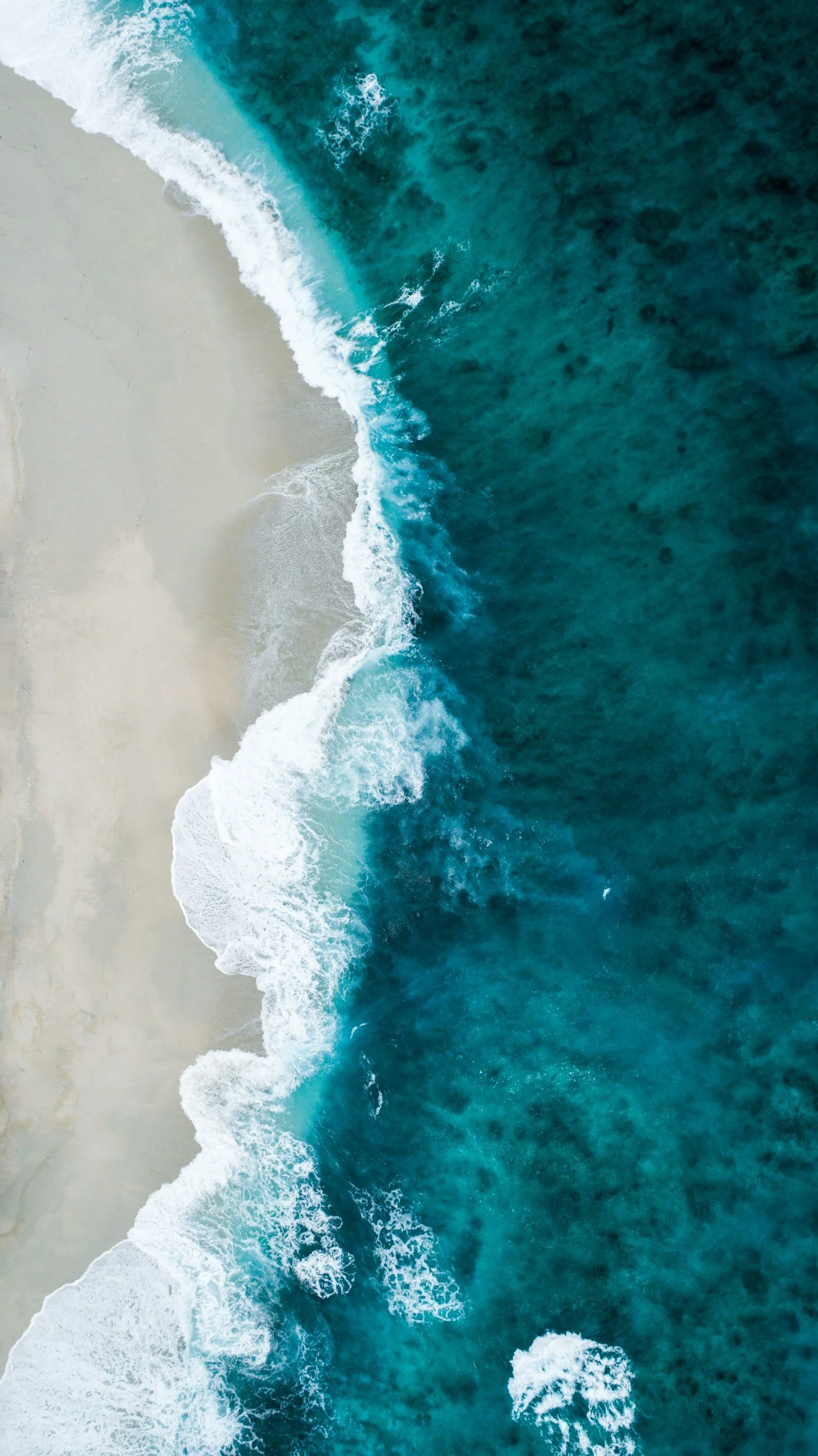
The 2026 theme is “Reimagine”, inviting us to rethink our relationship with the ocean. For too long, many of us have treated the ocean as something distant and separate from daily life, when in fact it shapes the air we breathe, the food we eat, and the climate that sustains us. The ocean covers more than 70% of Earth’s surface, produces at least half of the world’s oxygen, absorbs a significant share of carbon dioxide, feeds billions of people, and supports livelihoods around the globe. Reimagining our connection to the ocean means moving from appreciation to responsibility.

My mother was from Ireland and lived in three countries during her life. She was always drawn to holidays where she could stand at the water’s edge and put her feet in the ocean. She said it made her feel connected to her family in Ireland and Great Britain. That memory reminds me that the ocean is not only a natural resource; for many people, it is also a source of belonging, memory, and identity.

What kind of connection do you have to the ocean, and is it strong enough to inspire action in return for all that it gives us? Even if it is too late to plan a major event this year, it is never too late to learn more and make meaningful choices. You might support organizations that remove plastic from the water, protect marine life from abandoned fishing gear, or restore fragile habitats. You could host a sustainable seafood dinner, attend an educational event at a nature centre, reduce single-use plastics, or simply start conversations about why ocean protection matters. Every action, however small, helps bring us closer to a healthier future for our blue planet.

-Maureen Condon, csj Associate

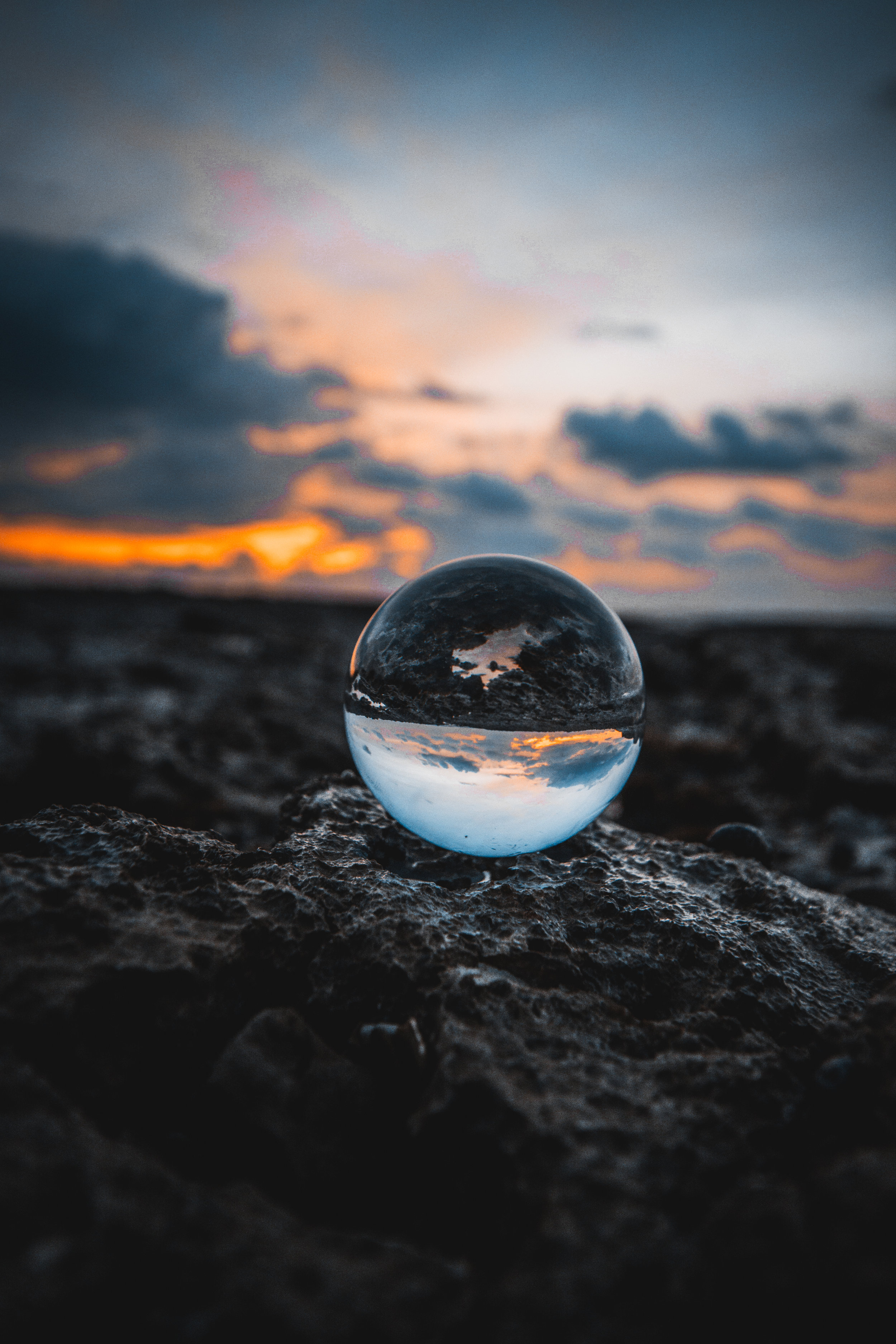
Images: Andrzej Kryszpiniuk/ Shifaaz shamoon | Unsplash
Transfiguration Continued

The second Sunday of Lent provides us with this well-known Transfiguration Gospel.

“Jesus took with him Peter and James and John, and led them to a high mountain apart, by themselves. And he was transfigured before them, and his clothes became dazzling white such as no one on earth could bleach them.” (Mark 9)

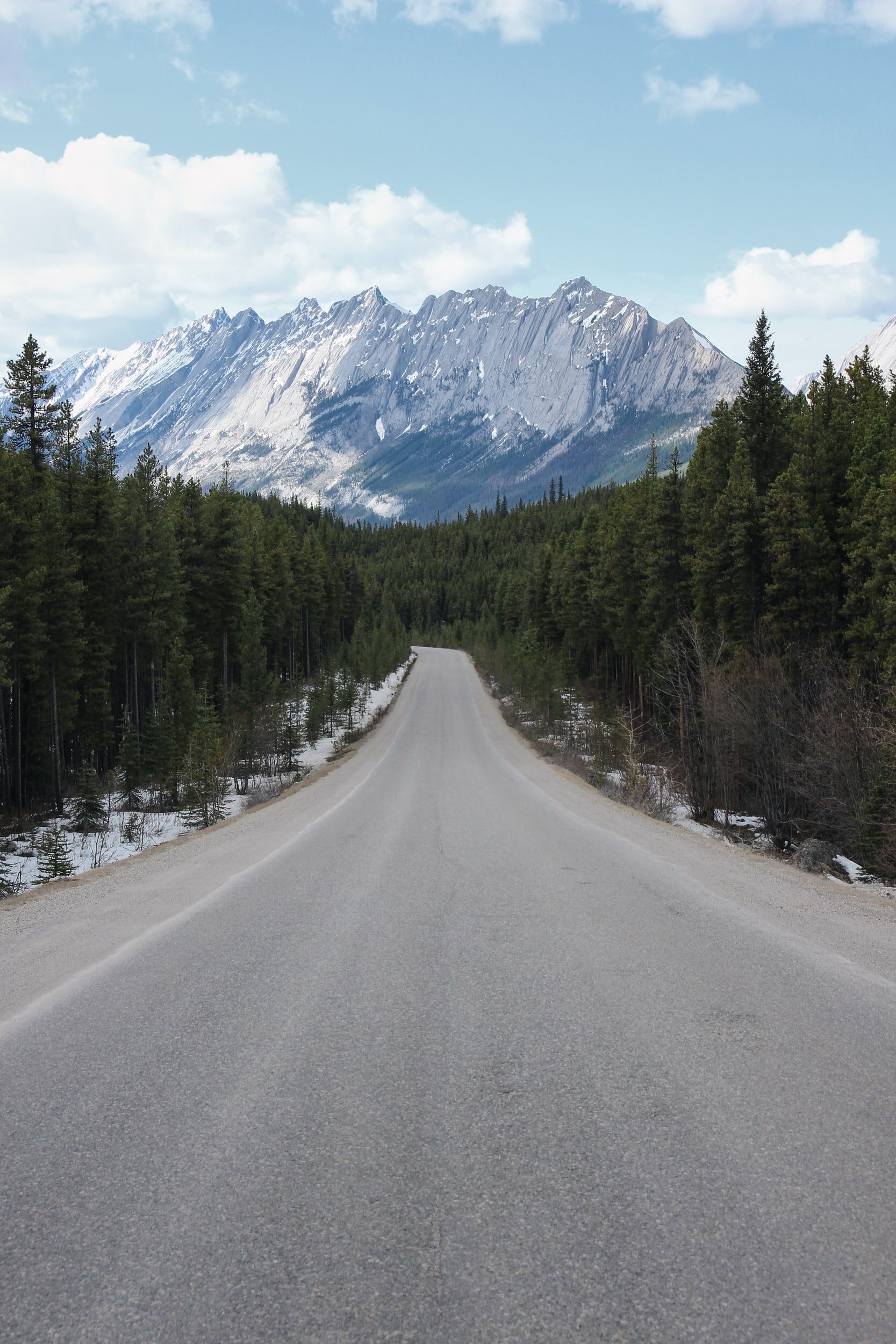
Rocky Mountains, Jasper

Rocky Mountains, Jasper

Mountains, in our Scriptures, are usually considered holy places where suddenly the Sacred seems to embrace us and God is revealed in a special way. I love mountains! I’ve marveled at them since I was a small child and we were all piled into our car and driven to visit my Grandfather Baker. We had to travel through the Rocky Mountains in Jasper to get there, and always, at first sight, it would literally take my breath away. With my nose pressed to the back seat window, I would gaze at each one with wonder and awe. Years later, when I was stationed in Burns Lake, BC. I had the incredible opportunity to ride in a helicopter to the top of a mountain, and we were allowed to get out and gaze at the spectacular sight surrounding us. We were at the top—everything else was below us. It seemed I could not only touch the sky but, “put out my hand and touch the face of God”, as so famously expressed in J.B. Magee’s poem, High Flight.

In an article entitled “Whole Earth Transfiguration”, put out by the Deep Green Church, the authors suggest that in this day of new realities, perhaps there is a new mountain view—another place of sacredness— one that is much, much higher than the mountains we know, or of which Peter, James, and John could never have dreamed.

Astronaut photograph AS17-148-22727 courtesy NASA Johnson Space Center Gateway to Astronaut Photography of Earth

Astronaut photograph AS17-148-22727 courtesy NASA Johnson Space Center Gateway to Astronaut Photography of Earth

They describe a view of the Earth, a picture taken in 1972. This picture is unique because it is the only time the camera ever caught the sun directly behind the Moon-Lander and so it spectacularly illuminates the Earth, giving us a view never before seen by humanity. It was transfigured! Maybe today, our mountaintop is space. What would God want to reveal to us today with this Transfiguration of the Earth? https://earthobservatory.nasa.gov/images/1133/the-blue-marble-from-apollo-17 (NASA.gov)

This article then acknowledges the work of Elizabeth Johnson CSJ in providing three practices that might be helpful as we come to grips with our new perspective:

1) “Practices of worship and reverence (in order to understand the sacredness of all things)

2) Practices of holiness and right living (in order to live a sacred life)

3) Practices of justice and right relationships (in order to enable sacredness for others.)”

Our proposed Directional Statement “Moving with Love”, is probably quite significant as we touch our long-held charism of “The Congregation of the Great Love of God”. Perhaps the 1972 photo of our illuminated, transfigured earth is showing us just how inclusive and diverse that would be.

-Sister Irene Baker, csj

Weekly Pause & Ponder

We are all paying the price for climate change.  Some of us though, are bearing a greater burden.  It’s a scary commentary on inequity writ large, and it points to an urgent need for all of us to work harder to advance environmental justice everywhere.

 - Rhea Suh, NRDC President.

http://www.climateactionreserve.org/