
Third Sunday of Lent

A BOLD GESTURE

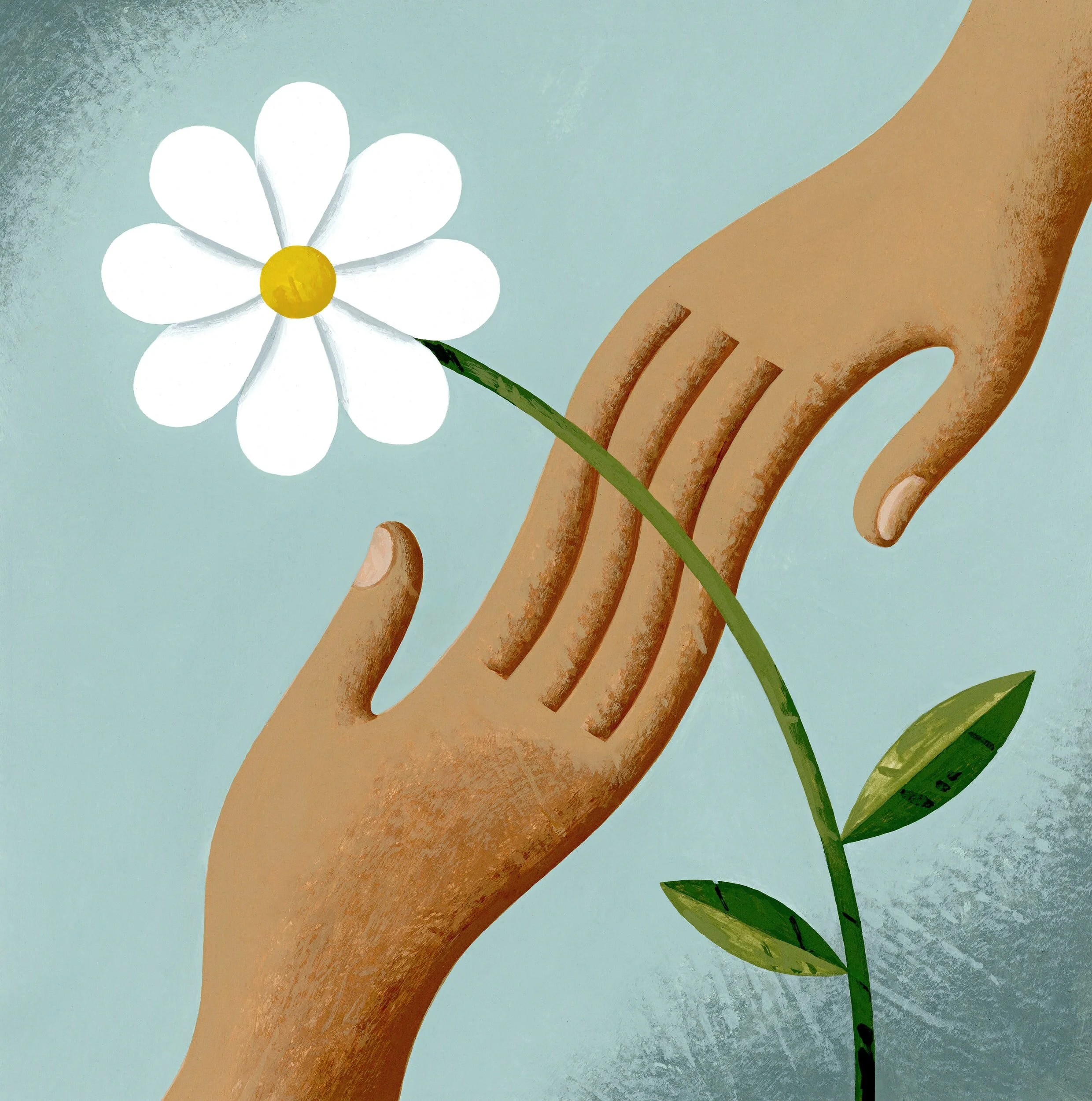
Today, in John’s Gospel account (Jn 2:13-25) we move from a wedding celebration held in Cana to a riot-like scenario in the temple of Jerusalem.  What a shock and sight that must have been!  Jesus is seen displaying anger by upending tables, shooing animals using a whip, causing money to fly all over the place.  What is this outburst all about?  Psalm 69 sheds light on the situation by  describing Jesus’ bold gesture in these words: “It is zeal for your house that has consumed me.” It wouldn’t be until much later that the disciples of Jesus would remember these words and connect them to the Psalmist’s meaning.  The message is clear and urgent! 

“Stop making my Father’s house a house of merchandise.” (John 2:16). 

zeal for my house.jpg

What is most intriguing about Jesus cleansing the temple is the ongoing structural injustice within the Temple itself.  A justified system had become one in which the leaders used laws to marginalize the poor.  Jesus wanted nothing of this kind of business!  With his time getting shorter, there lay his deep sense of urgency to address injustices such as greed and power. Hence, the display of anger on Jesus’ part is seen as a bold gesture to shake up things and to wake up the financial and spiritual temple leaders from corruption.    

Although the leaders display upset over Jesus’ overt use of authority, they had not yet comprehended the symbolism of the Temple which is God’s dwelling place.  God not only dwelt within the temple but also within the people and today, within us!  Yes, Jesus came in the flesh to be within us and among us.

This week, we might consider Jesus’ bold gesture and ask ourselves some challenging questions as we prepare for the Easter Resurrection. What bold gestures are needed in our time?  Where do I/we need to stand boldly and be a voice for the voiceless?  What does not belong in God’s temple and needs transformation?   

-Sister Linda Parent, csj

Dancing in the Wilderness

Dancing and wilderness seem to be opposite realities, but in this time of necessary social distancing which in itself is a paradoxical term, we need to discover once again that the human spirit is capable of continuing the Dance of life.

lent.png

For Christians throughout the world, the Season of Lent has just begun and is a reminder of the journey into the wilderness to which all Christians are called.

Because of the Coronavirus, ALL of us, Christian or not have been drawn into a wilderness unprecedented in our lives. This can be a gift or a curse.

As a gift, it is providing an opportunity for us to go deeper and to take a “long loving look at the real” that is ours now.  The “real” is a mixture of suffering, death, loss of freedoms once enjoyed, and on the other hand, a time for reading into the meaning of our lives, to discovering our passion for life, and how we are called to live that life to the full.

The invitation to the dance of life involves a long look at aging which involves considering:

  • entitlement: how deeply can we let go of it?

  • entitlement to work?

  • entitlement to status?

  • to being productive?

  • to body control?

  • to the movement of limbs?

  • to eating quietly and cleanly?

  • to controlling anger

  • to understanding my own responses

  • to drive a car

  • to walk long distances

  • to memory?

We know in our own lived experience that we are dealing with these realities and we also know that by living in the moment we can celebrate who and how we are.  All we need to do is to choose to do just that.  The Dance in the wilderness need not be a dance of doom but one of delight if we but choose the steps.  It may be writing poetry, or journaling, or meaningful reading. It is the invitation to go into the wilderness in a way that we never have done before individually or as a society.... very mindfully. 

The wilderness on the political scene we have witnessed in the last 4 years in the U.S.  Silence was consent to all that was done or NOT done and as a result, core values of decency, honesty, respect, and truthfulness were thrown aside. Where has all the goodness gone?

We witness blatant racism, white supremacy in many countries, including Canada in its relationship with Indigenous peoples and in some cases with refugees.

We must face the massive climate change which threatens to bring the human species to extinction.

The list could go on and on, but in fact, we ARE in the wilderness and we need to talk about it. We need to dance a new step of openness, togetherness.

The Coronavirus and the variants are now facing the whole world.  It is interesting how it is now on the front burner of government agendas.  The time of silence or denial is over in a world crisis.  We are in this together.

So, let’s begin a NEW Dance of LIFE together.

-Sister Kathleen Lichti, csj

Crashing in The Darkness

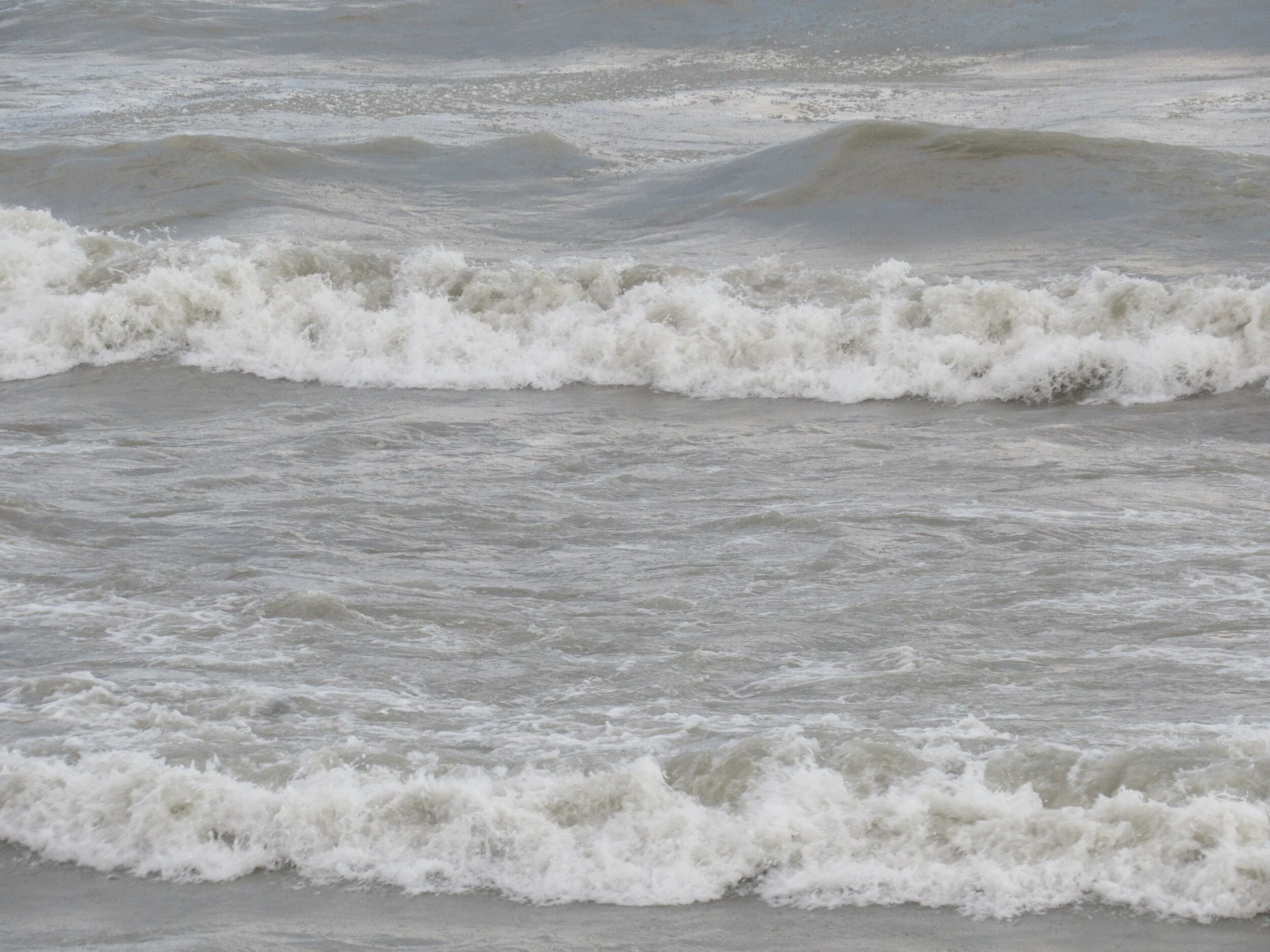
Waves, picture by Sr Donna Smith, 2021

Waves, picture by Sr Donna Smith, 2021

Have you ever sat and just listened to waves lapping against the shoreline? “Yes”, what about on a very cold winter’s night and the water is meeting the ice cap that has formed along the shoreline? Imagine the sound of geese off to the west and a distant train echoing through town, but what I hear the most is the unique sound of water splashing over the ice along the banks of Lake Ontario.

It is like an unfolding roll of thunder, not an unpleasant noise, but a sound that is intriguing and mysterious to listen to. It is quiet then suddenly a wave hits the ice cap, sprays over it, and ebbs back into the lake. Isn’t that how our mind works some days? Our minds are quiet then without prelude we are awash with a flood of thoughts and emotions disquieting our stillness, awakening us from our darkness, or maybe even bringing the darkness with it.

How do we cope with this intrusion in our minds? Do we accept it and carry on or do we meander over each new thought and emotion? Each time we experience this differently, but we must never let these moments overwhelm us. We are invited to sift out what is good and carry that forward, perhaps especially these days of isolation. It is in these moments that God speaks to us if we are truly listening with the heart. It is in this darkness that we may crash about but we are never if open, beaten. Rather, in these moments we are offered opportunities to draw us closer to what really matters in life: our families, our friends, our contacts, but most of all the beauty of creation, faith, and values of God.

So, let’s take the time and listen to the darkness and what is crashing about, we will never know what God wants us to hear when we cannot see it in the light of day.

 - Sister Donna Smith, CSJ | Feb 17, 2021 Cobourg, Ontario

Transfiguration Continued

The second Sunday of Lent provides us with this well-known Transfiguration Gospel.

“Jesus took with him Peter and James and John, and led them to a high mountain apart, by themselves. And he was transfigured before them, and his clothes became dazzling white such as no one on earth could bleach them.” (Mark 9)

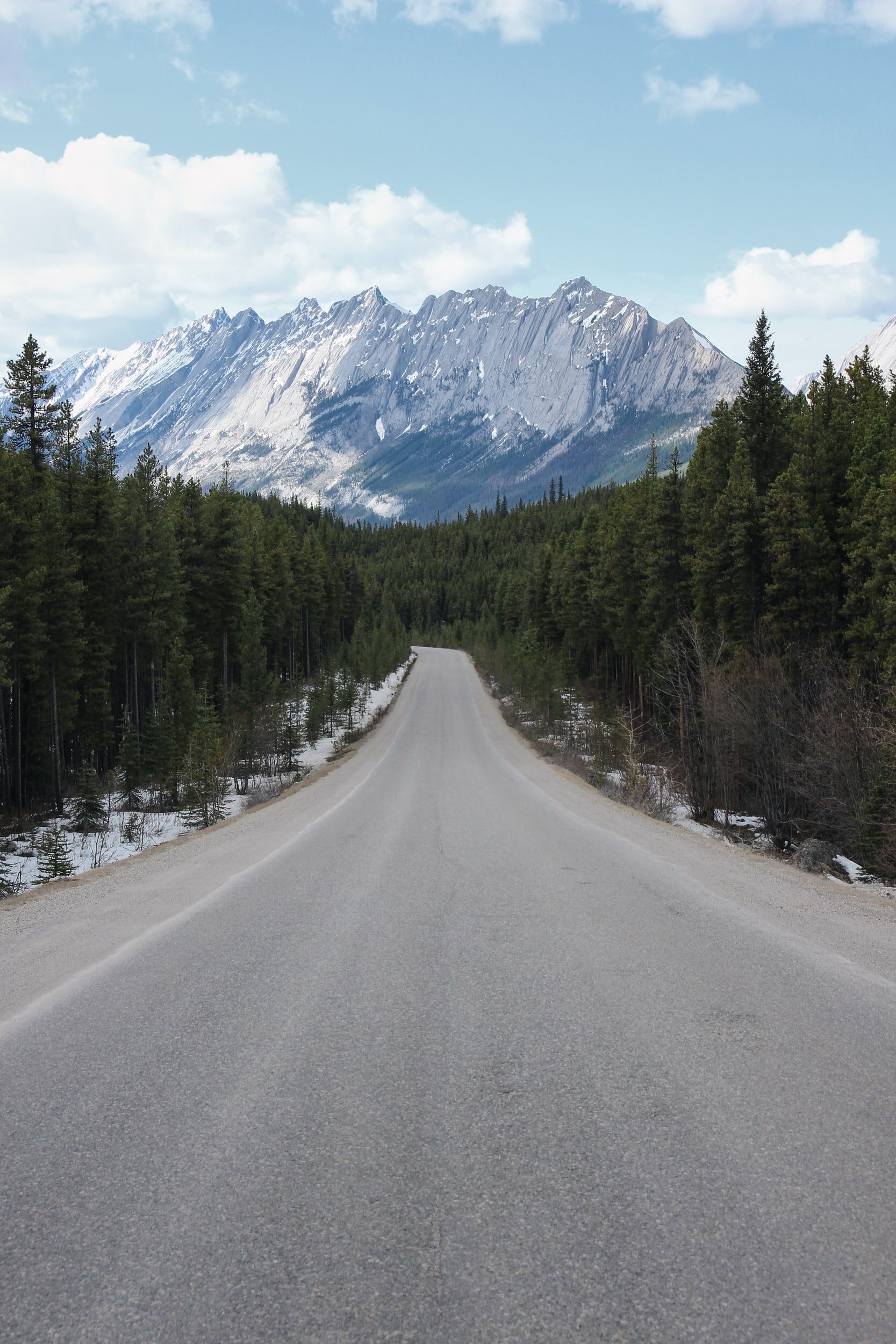
Rocky Mountains, Jasper

Rocky Mountains, Jasper

Mountains, in our Scriptures, are usually considered holy places where suddenly the Sacred seems to embrace us and God is revealed in a special way. I love mountains! I’ve marveled at them since I was a small child and we were all piled into our car and driven to visit my Grandfather Baker. We had to travel through the Rocky Mountains in Jasper to get there, and always, at first sight, it would literally take my breath away. With my nose pressed to the back seat window, I would gaze at each one with wonder and awe. Years later, when I was stationed in Burns Lake, BC. I had the incredible opportunity to ride in a helicopter to the top of a mountain, and we were allowed to get out and gaze at the spectacular sight surrounding us. We were at the top—everything else was below us. It seemed I could not only touch the sky but, “put out my hand and touch the face of God”, as so famously expressed in J.B. Magee’s poem, High Flight.

In an article entitled “Whole Earth Transfiguration”, put out by the Deep Green Church, the authors suggest that in this day of new realities, perhaps there is a new mountain view—another place of sacredness— one that is much, much higher than the mountains we know, or of which Peter, James, and John could never have dreamed.

Astronaut photograph AS17-148-22727 courtesy NASA Johnson Space Center Gateway to Astronaut Photography of Earth

Astronaut photograph AS17-148-22727 courtesy NASA Johnson Space Center Gateway to Astronaut Photography of Earth

They describe a view of the Earth, a picture taken in 1972. This picture is unique because it is the only time the camera ever caught the sun directly behind the Moon-Lander and so it spectacularly illuminates the Earth, giving us a view never before seen by humanity. It was transfigured! Maybe today, our mountaintop is space. What would God want to reveal to us today with this Transfiguration of the Earth? https://earthobservatory.nasa.gov/images/1133/the-blue-marble-from-apollo-17 (NASA.gov)

This article then acknowledges the work of Elizabeth Johnson CSJ in providing three practices that might be helpful as we come to grips with our new perspective:

1) “Practices of worship and reverence (in order to understand the sacredness of all things)

2) Practices of holiness and right living (in order to live a sacred life)

3) Practices of justice and right relationships (in order to enable sacredness for others.)”

Our proposed Directional Statement “Moving with Love”, is probably quite significant as we touch our long-held charism of “The Congregation of the Great Love of God”. Perhaps the 1972 photo of our illuminated, transfigured earth is showing us just how inclusive and diverse that would be.

-Sister Irene Baker, csj